See Longweiguan through a local's lens
Walk through an old neighbourhood that is still lived in, with a guide who grew up here. Learn photography as you go—a phone is enough—and use light, detail and conversation to see the streets more closely.
The walk brings together old bridges, temples, wells, family stories and everyday life. Couples, families and friends can compare what catches their eye; older visitors may recognise details that bring back their own memories.
The route
- 09:00: meet at Heilong Bridge in Xiaguan; travel to the meeting point independently.
- Walk from Shoukangpo into Ximen Lane and Erjing.
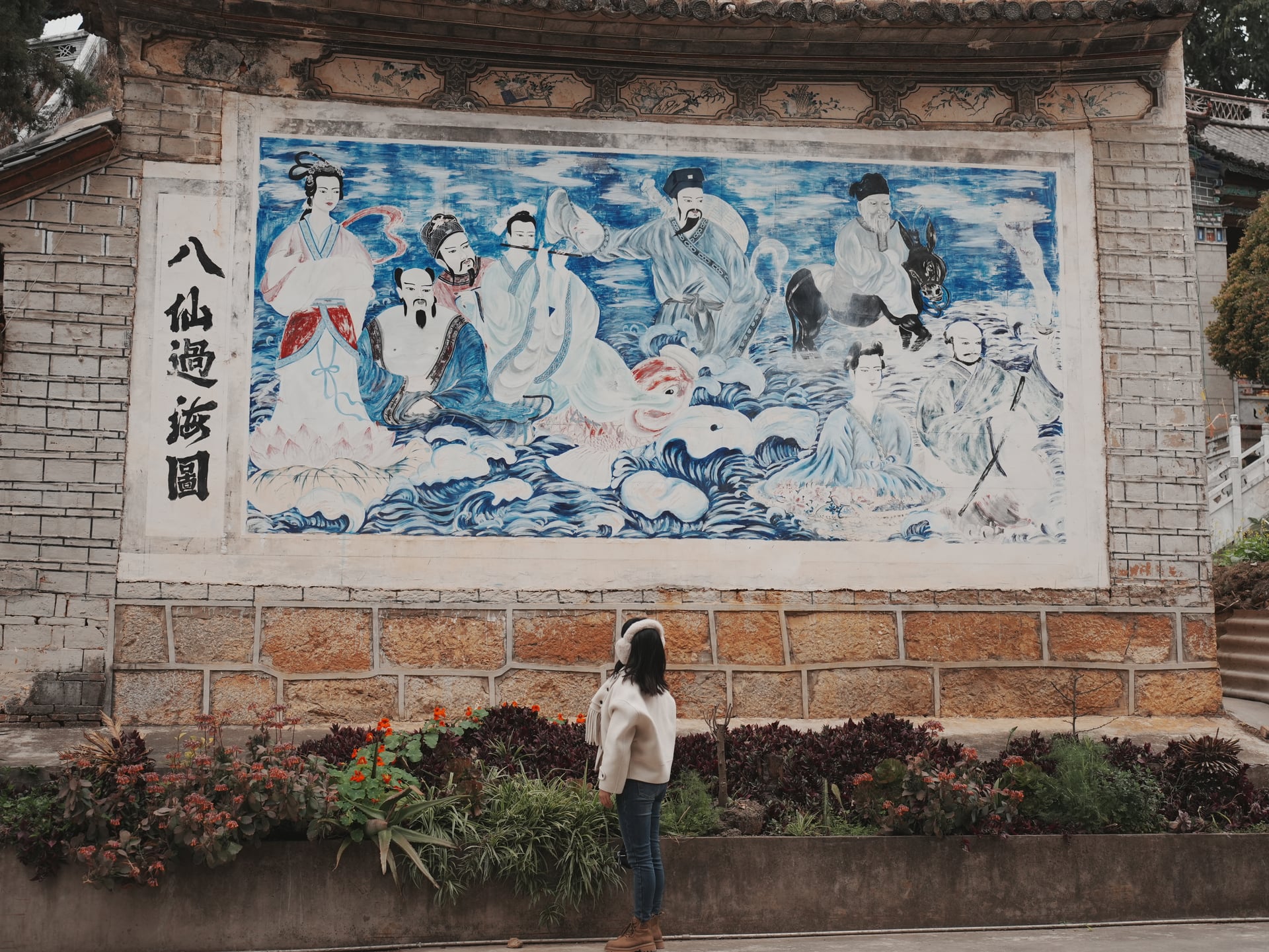
- 09:30: continue from Hongtupo to Dajing, then through Sujia Lane to the Confucian Temple, passing three temples and the Su family ancestral hall.
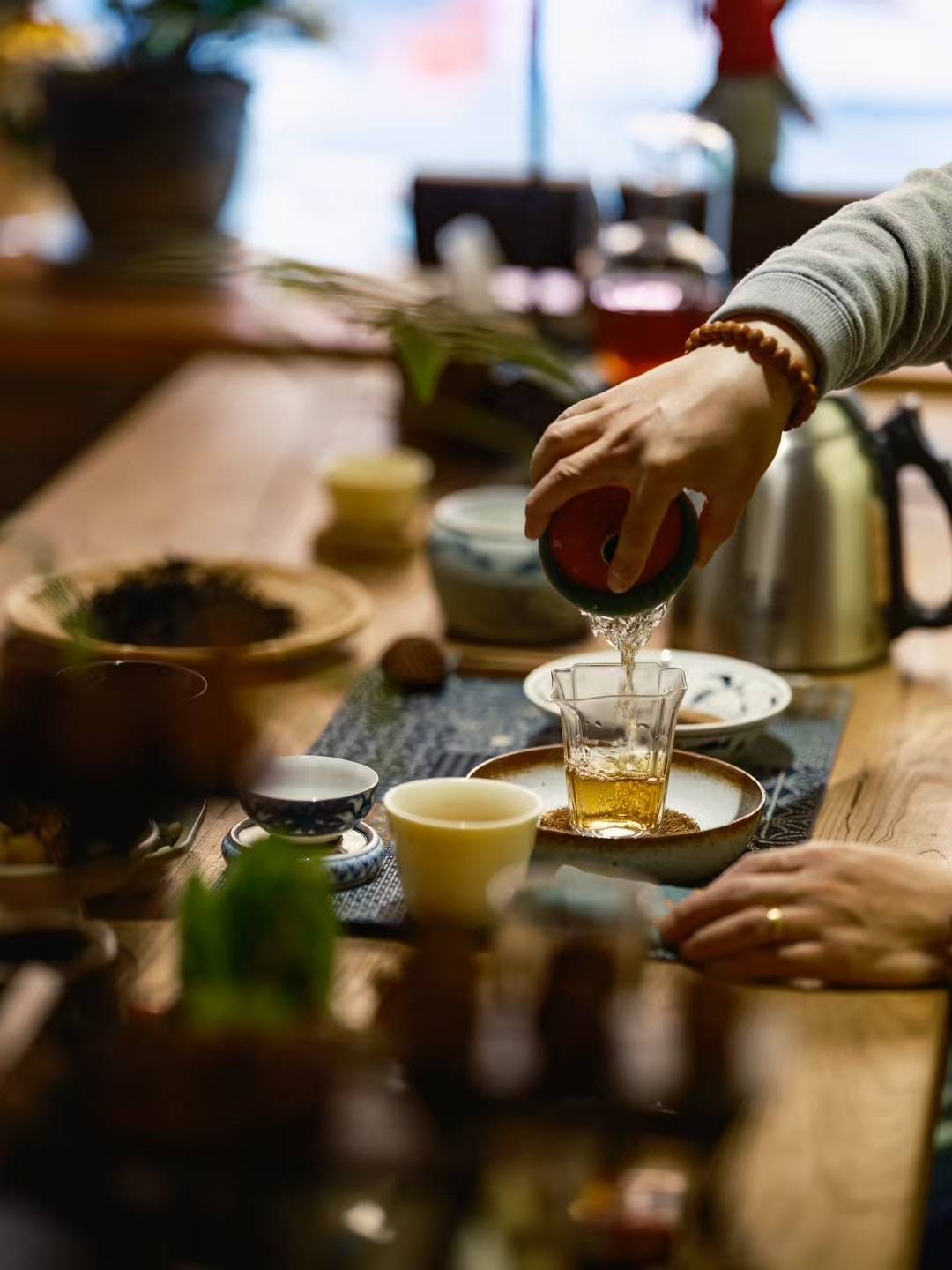
- 11:00: head towards Zhongcheng Street and an old teahouse for tea and conversation.
- Finish around 12:30.
The route covers approximately 1.5 km and is described as about three hours. Guiding, photography teaching and a tea break are included. Final meeting time and location are confirmed in the activity group.
Minimum group: 1 guest. The standard age range is 10–65; the original booking terms also provide half price for children under 10 and free participation under 3. Ask us about children when booking.
What to bring
The walk suits people interested in history, local life or photography. Bring a camera if you have one, but a phone works well. For camera users, 24 mm, 35 mm and 85 mm lenses offer different views; a standard zoom is useful too.
Bring rain protection, especially in June–August. Comfortable, flat shoes work well on the mostly stone-paved route. We pass Buddhist and Taoist places; dress comfortably and respectfully.
The guide's story
There are many beautiful places in Dali. I choose Longweiguan because I grew up here, and the streets hold so many fragments of my childhood.
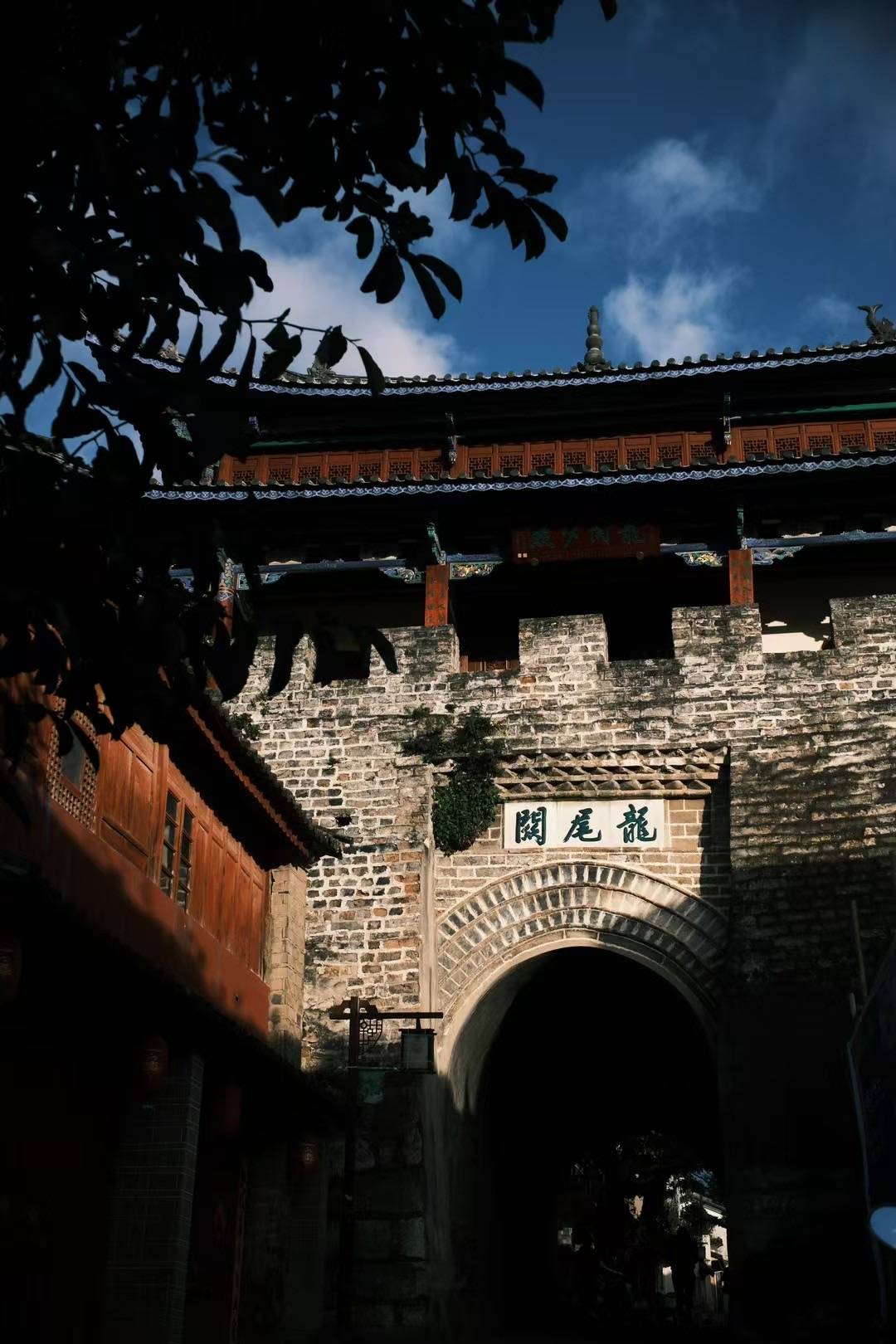
Longweiguan gateway. Photograph by Lao Zhang.
The neighbourhood has kept much of its old street pattern and everyday life. For me, walking here connects places with memories of the people who used them.
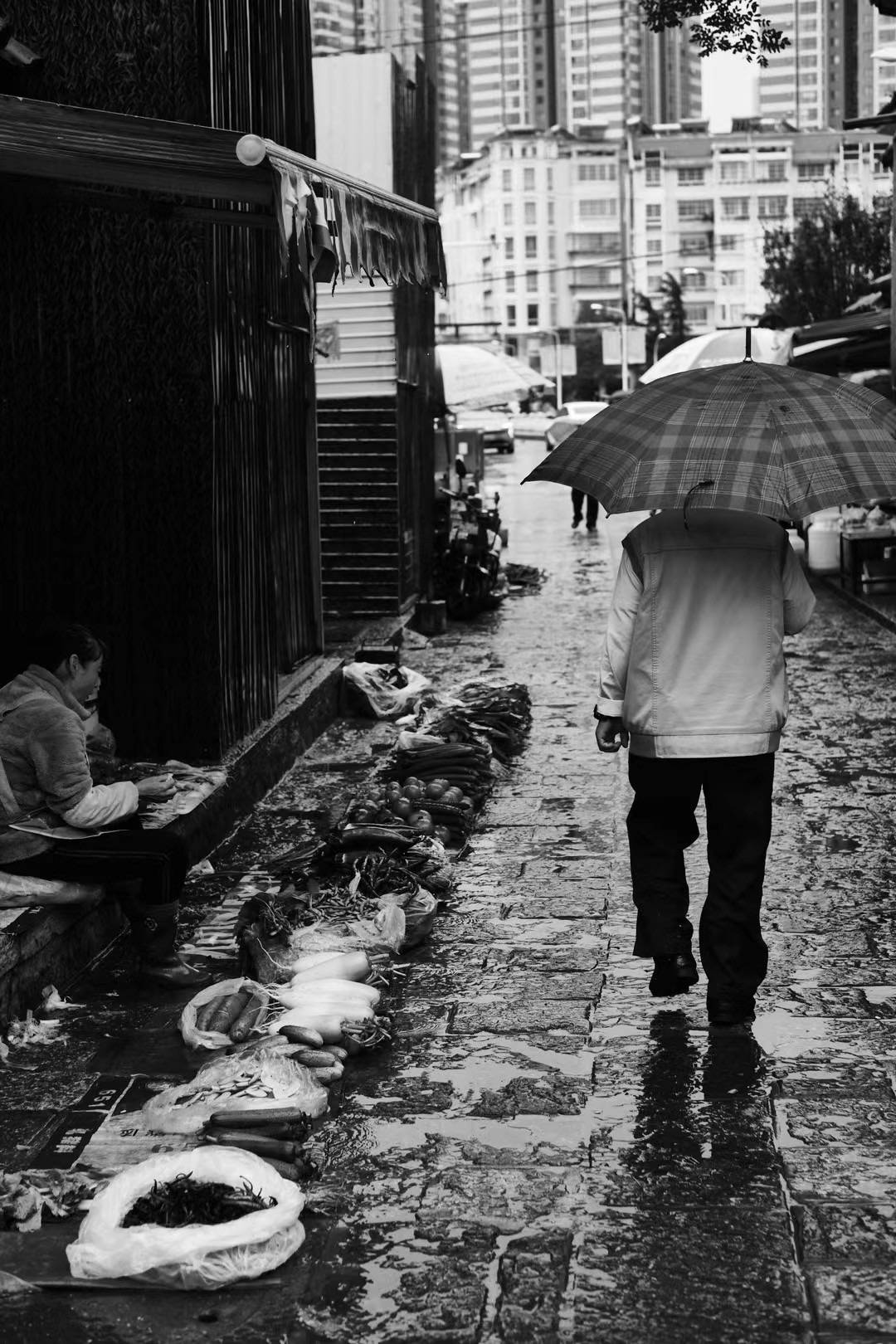
Longweiguan in the rain. Photograph by Lao Zhang.
Heilong Bridge brings back stories and childhood summers spent catching fish and playing in the water. The old gate recalls the area's busy past; the stone streets have a quieter rhythm now. At the God of Wealth Temple, neighbours still express hopes for their families. The Confucian Temple recalls my grandfather's stories, and Dajing brings back carrying buckets of water for cooking and washing.
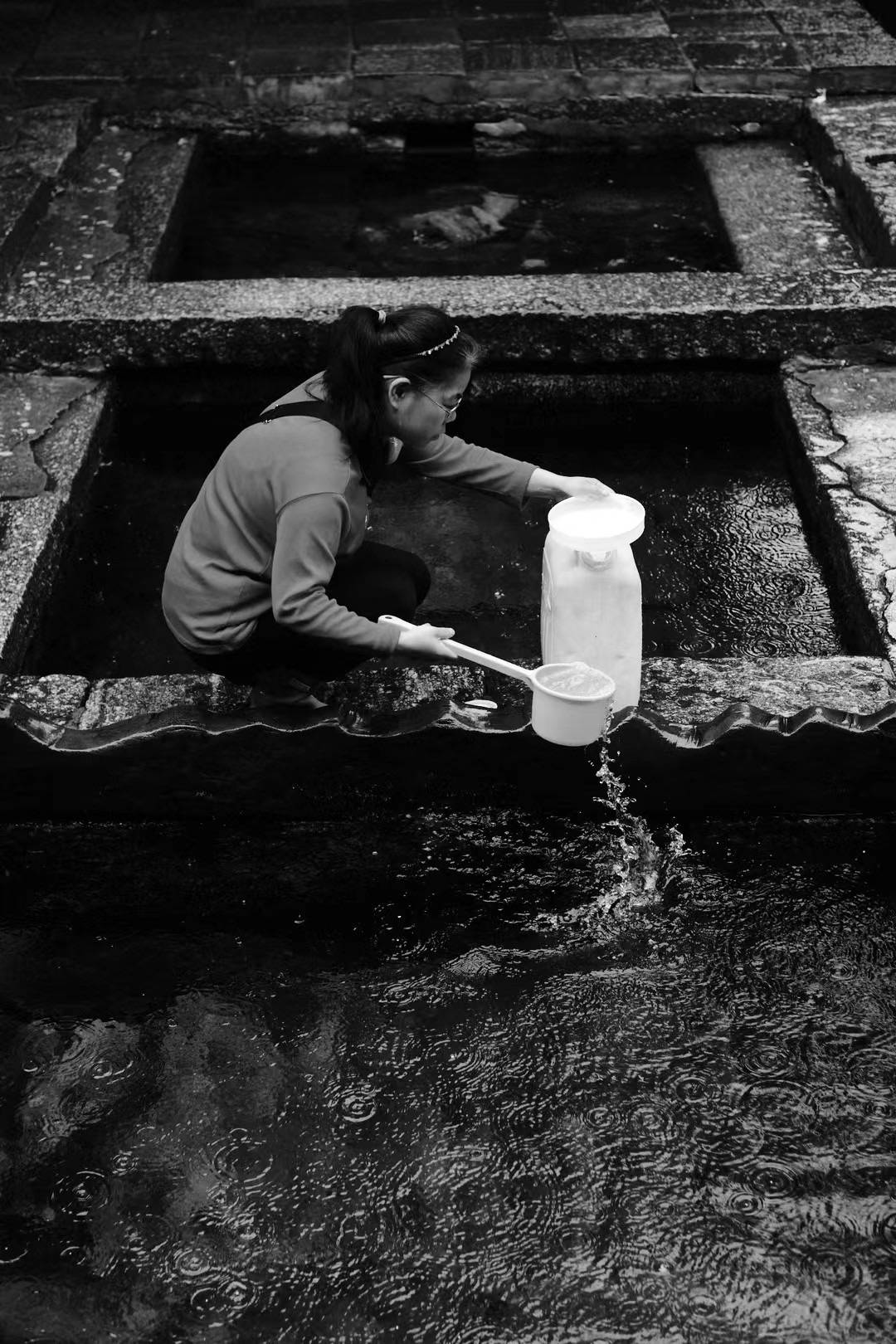
Drawing water in the rain. Photograph by Lao Zhang.
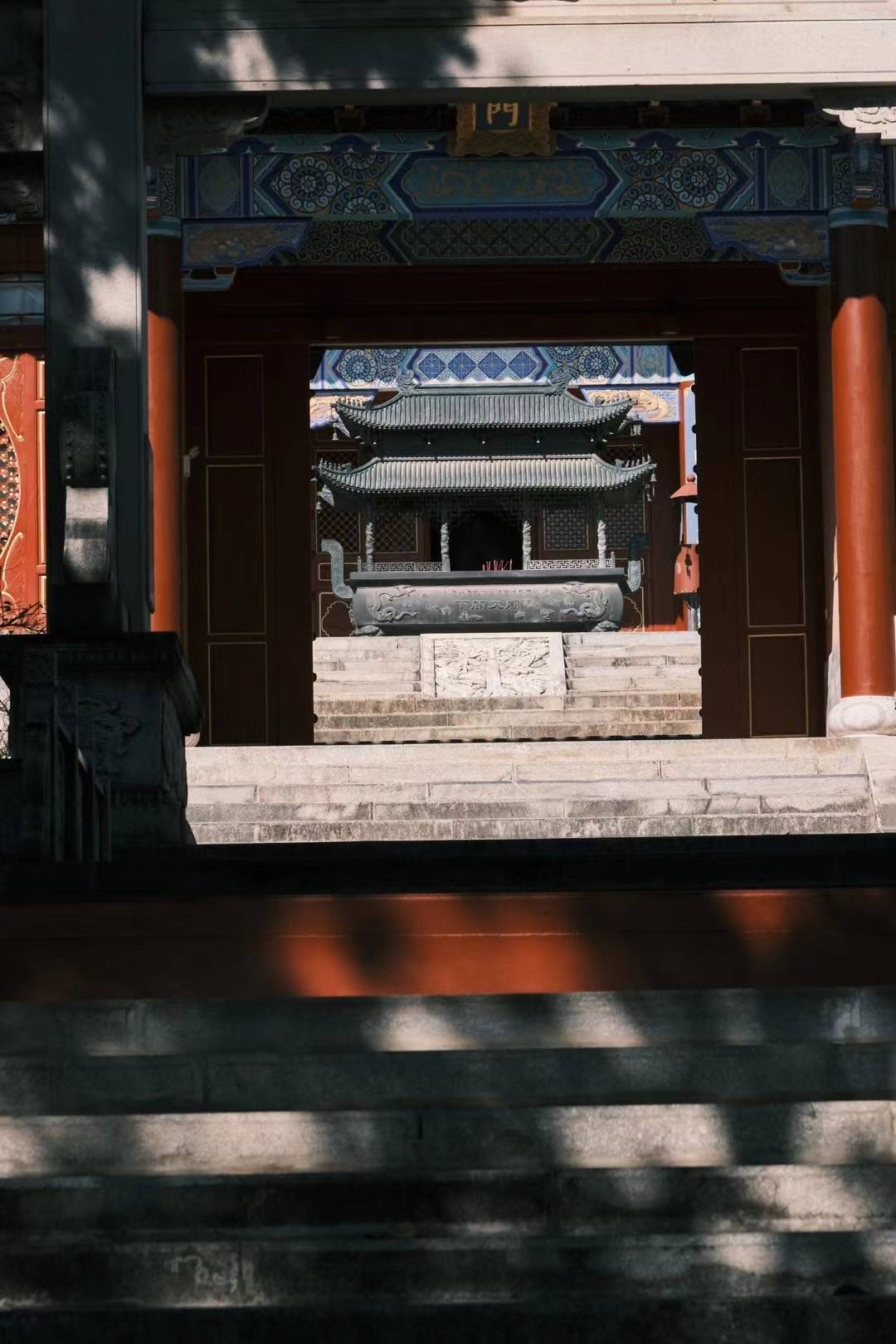
Light at the Confucian Temple. Photograph by Lao Zhang.
This is not somewhere to take a quick photograph and leave. There are layers to explore on foot and through a camera.
Slow down and small details appear: someone's expression, children playing, flowers beside a wall. Framing a photograph gives us a reason to notice what we might otherwise pass by.
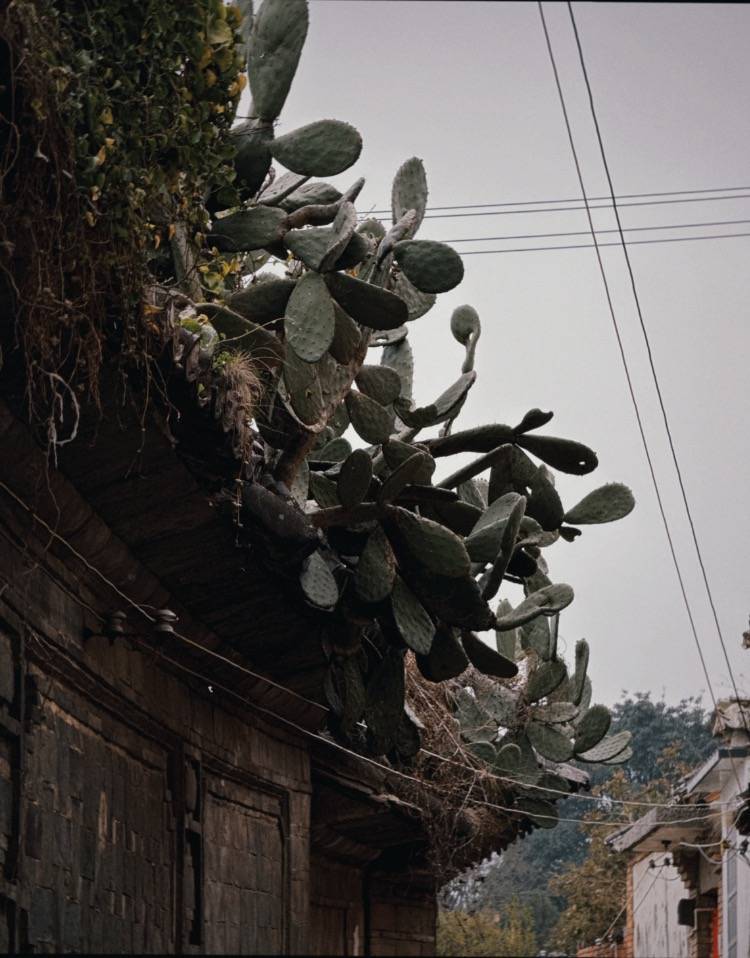
Cactus on a rooftop. Phone photograph by Yangmei, a participant.
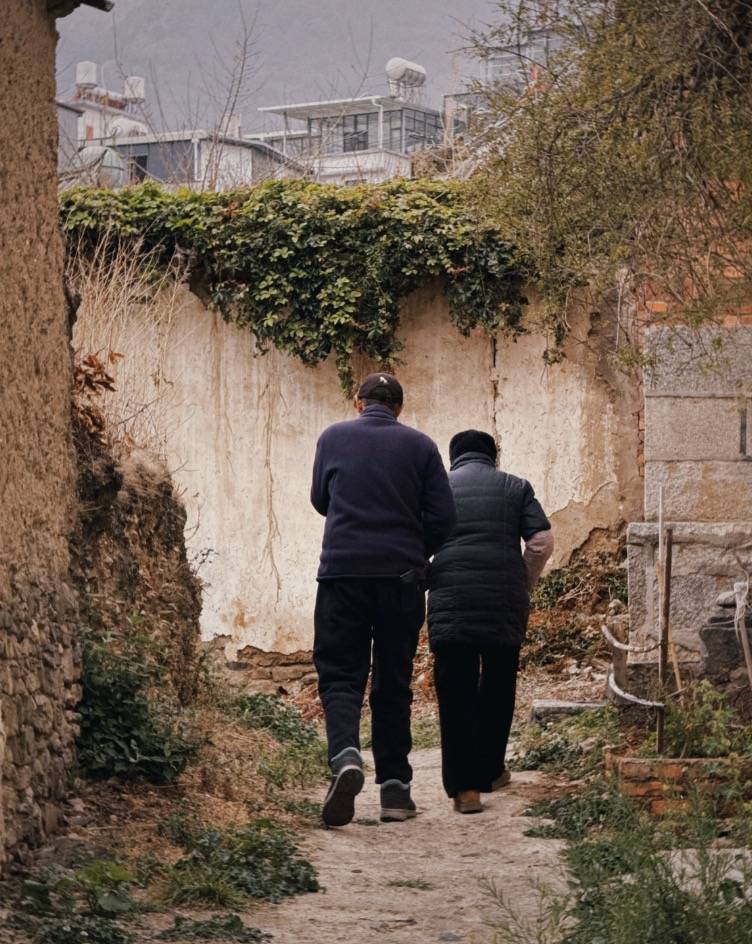
Company beneath an old wall. Phone photograph by Yangmei.
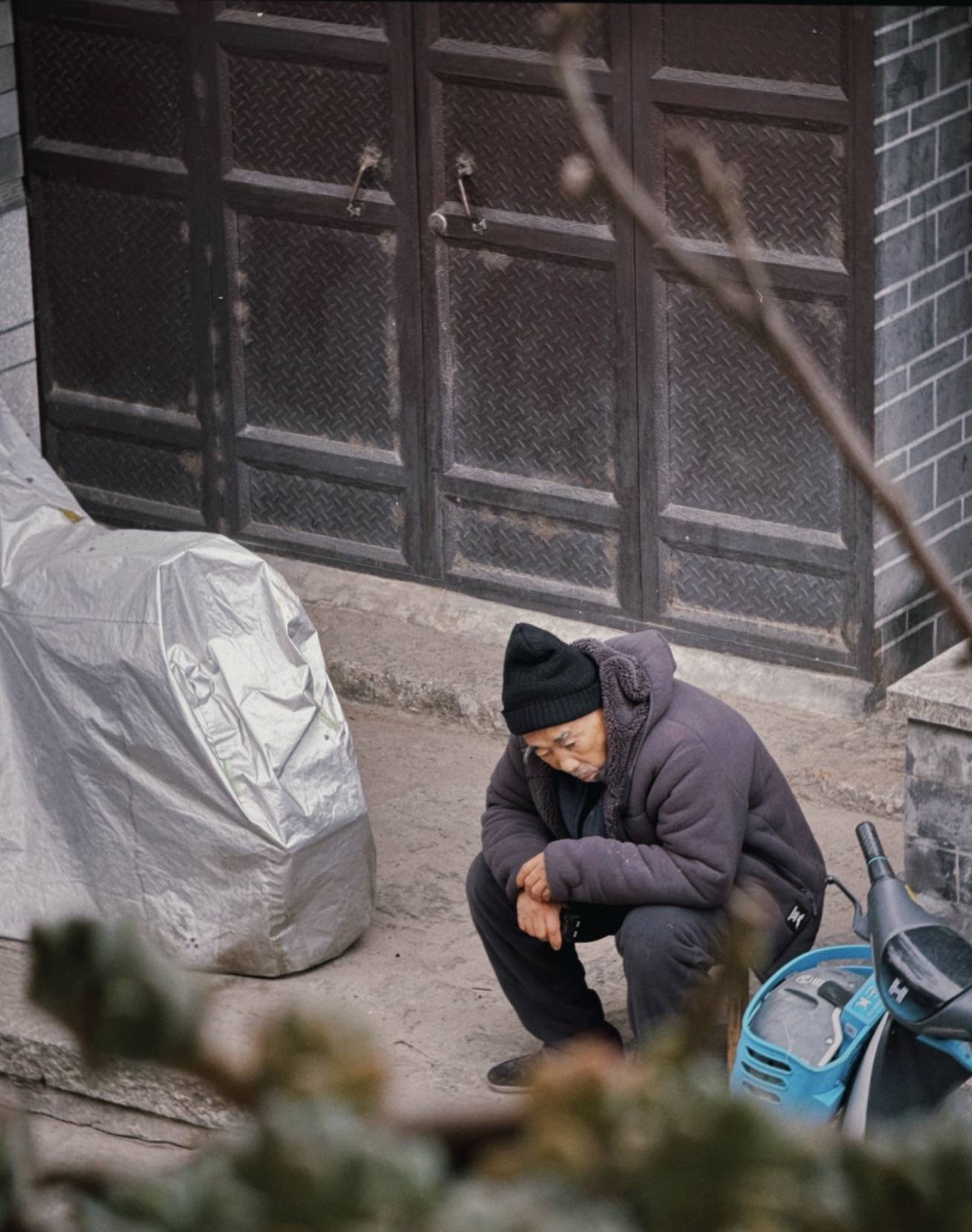
An older resident in thought. Phone photograph by Yangmei.
Couples can discover how differently they see the same place by comparing compositions and the moments they choose.
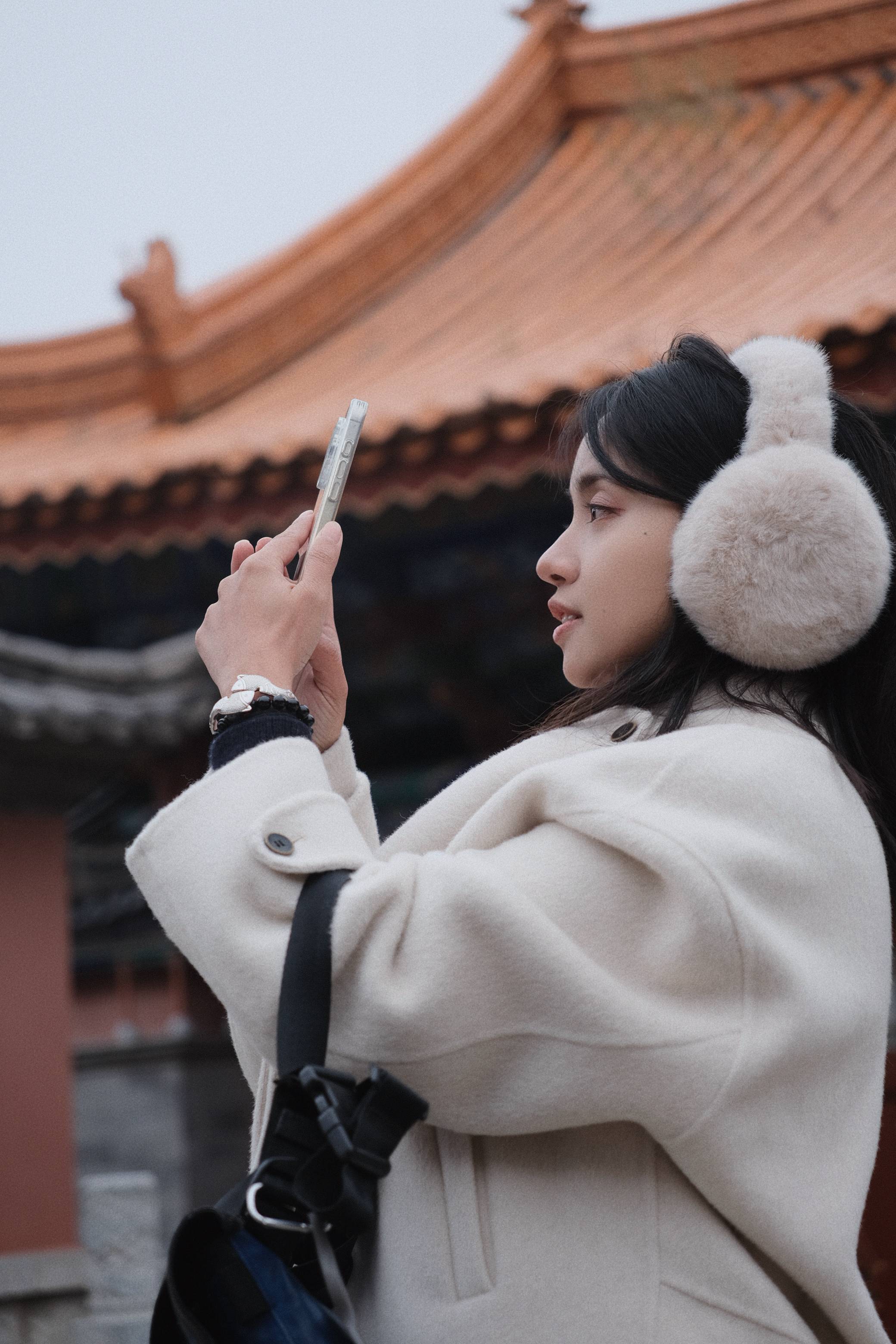
A beautiful moment. Photograph by Linlin.
Children may notice something new while parents share its story. Friends leave with photographs shaped by a day spent looking together.
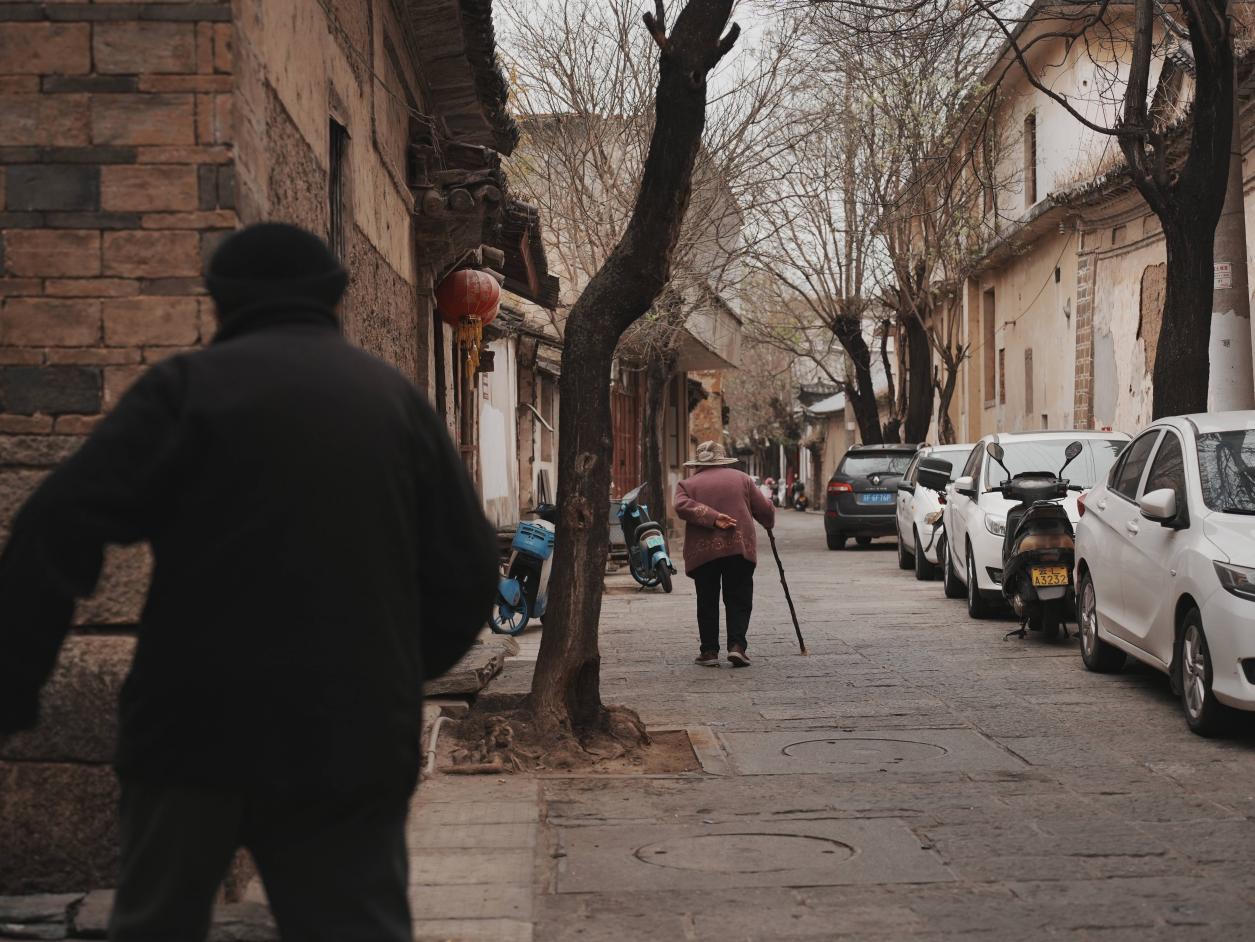
I am not only taking you for a walk with a camera. I am introducing a lived-in neighbourhood where my memories overlap with those of many other people.
From Heilong Bridge to Longweiguan, the route links Erjing, Dajing, the God of Wealth Temple, the Confucian Temple and a teahouse. These streets show a different side of Dali from its better-known visitor stops.
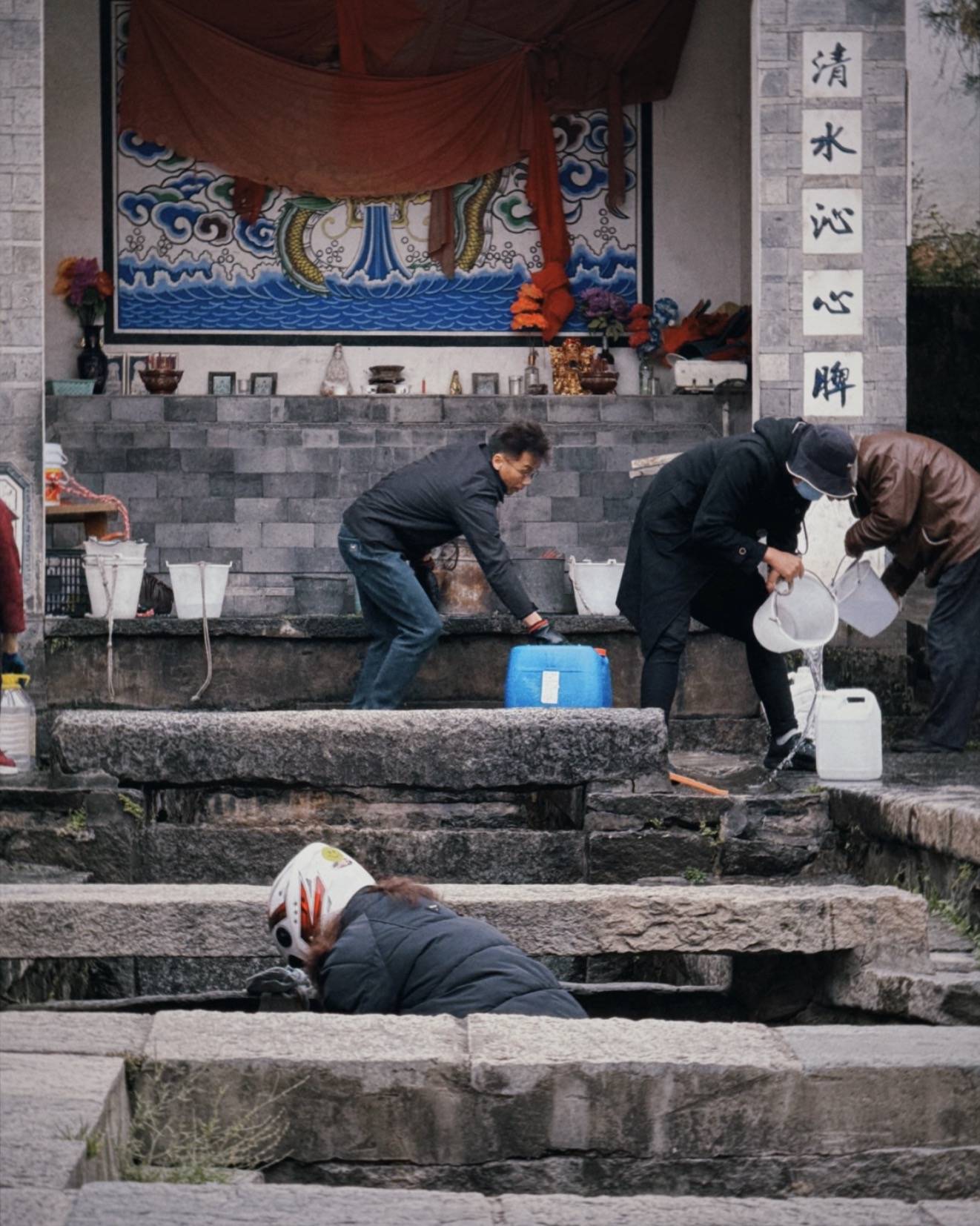
A guide who once lived here shares childhood stories, local customs and the histories of buildings, connecting personal memories with the neighbourhood around us.
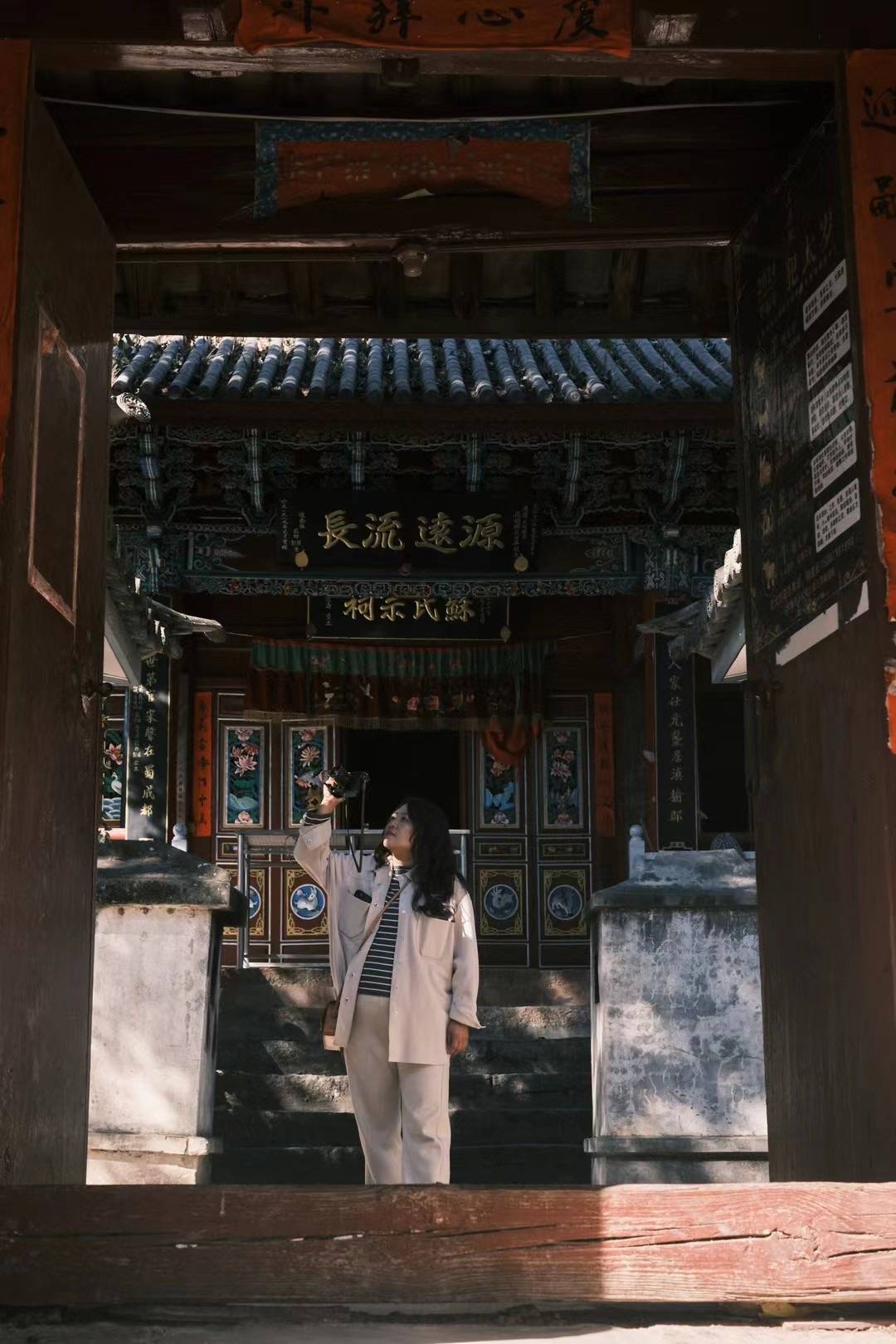
Bridges, gateways, wells, temples and teahouses open conversations about history, beliefs, architecture and daily life. Along the way, practise using natural light, composition and detail to make photographs with a sense of place.