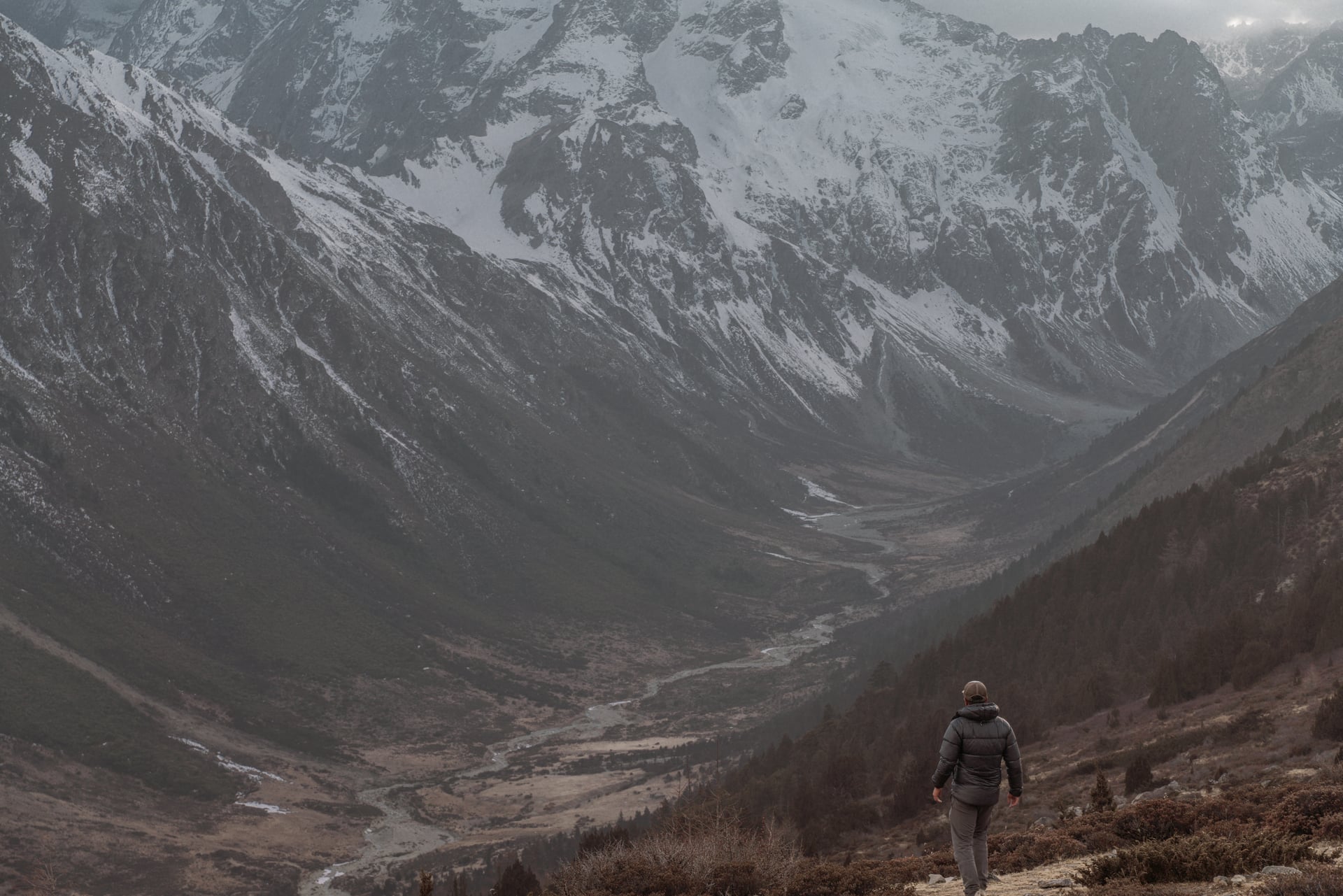
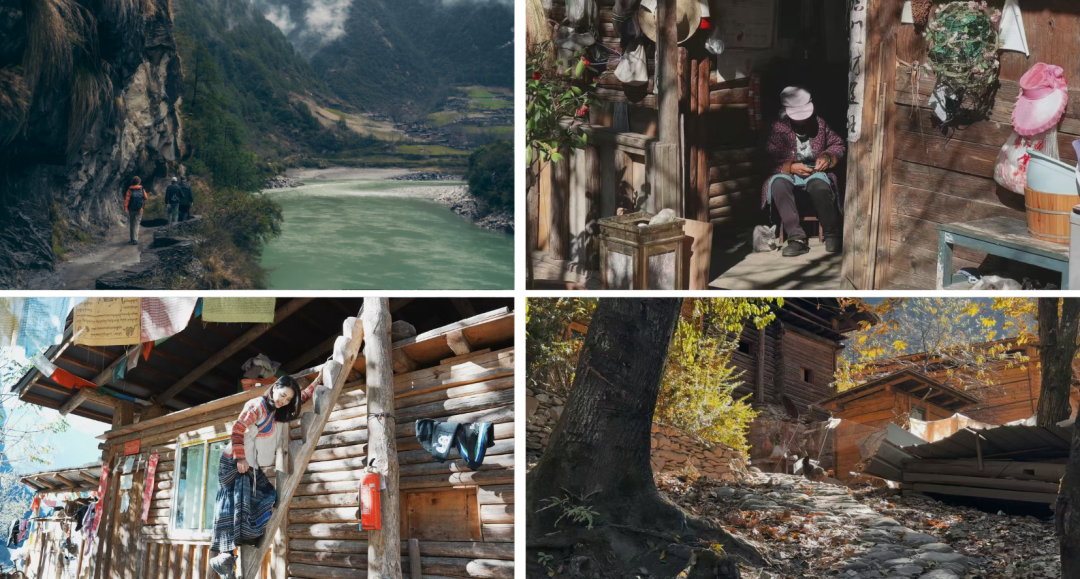
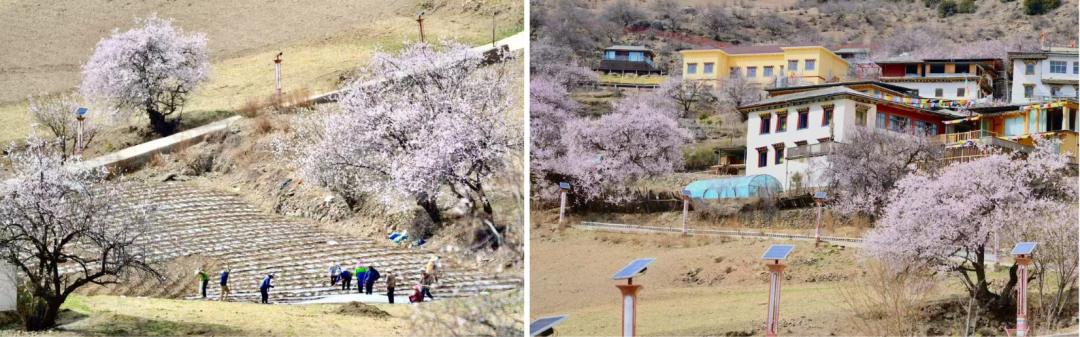
Follow the Nujiang through its steep mountain gorge, from Gaoligong wildlife habitat and Lisu and Nu villages to high pastures and Tibetan communities.
English-speaking guide available throughout this journey.
Length
6 days of travel · 7 nights, including arrival night
Route
Start in Baoshan · Finish in Baoshan or Shangri-La
Follow the Nujiang through steep gorges, from Gaoligong wildlife habitat and Lisu and Nu villages to high pastures and Tibetan communities.
Six days from Baoshan through Nujiang to Shangri-La on the Three Rivers Crossing
A guest's question before Chinese New Year 2026 prompted us to rethink this journey through Nujiang and the Three Parallel Rivers. We wanted to bring travellers closer to the region's wildlife and communities, with time to see, listen and talk. Years of fieldwork and community projects have helped us build a route through western Yunnan that also supports the people who live here.
About the journey
Before Chinese New Year 2026, a guest asked us: what could Zhengfei offer that she couldn't experience on a self-drive trip, with a hired car or on a conventional tour?
We had an answer, but the question stayed with us. How could we put our approach into practice more fully? How could exploring Nujiang's ecology and cultures also offer a fresh perspective on life and work?
Travel information is easy to find. Building a genuinely different trip takes longer. This route grew out of years of community work, repeated research trips and relationships built on the ground.
Here is what we will explore together.
Wildlife and forests: a chance to encounter Skywalker hoolock gibbons, watch dozens of rare bird species and enter a forest of giant tree rhododendrons.
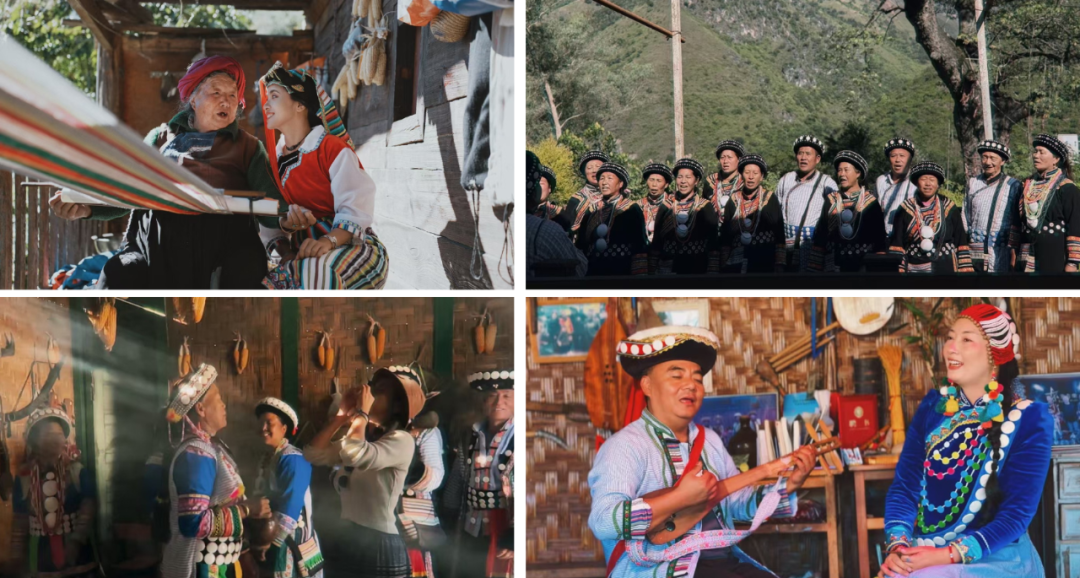
Life in the gorge: local songs, visits to families from four ethnic communities, and the ways three faith traditions meet and influence one another.
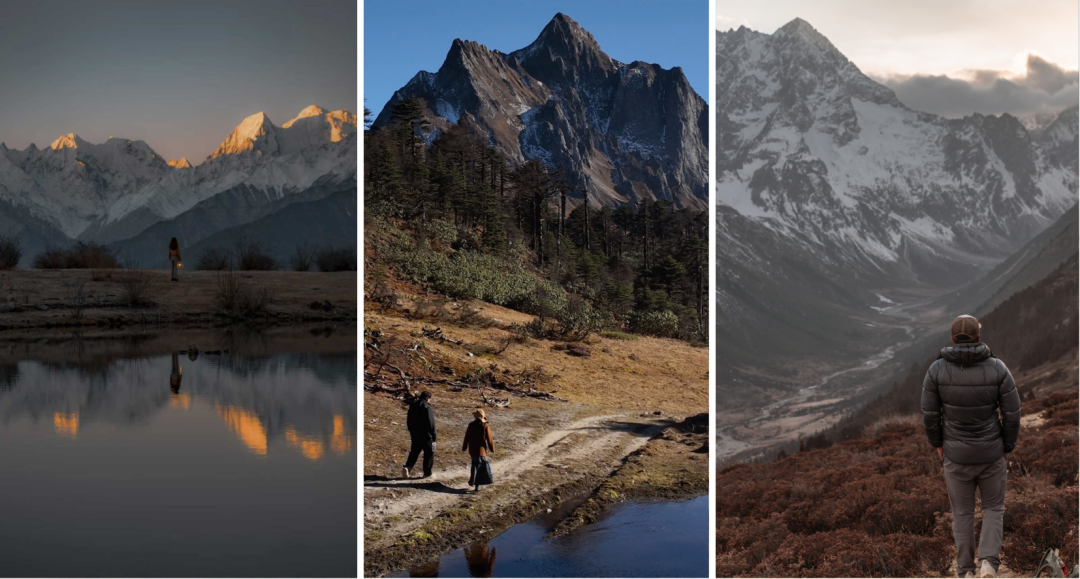
Mountains and geology: views of sacred Meili from seldom-visited places, and U-shaped valleys left by glaciers during the ice ages.
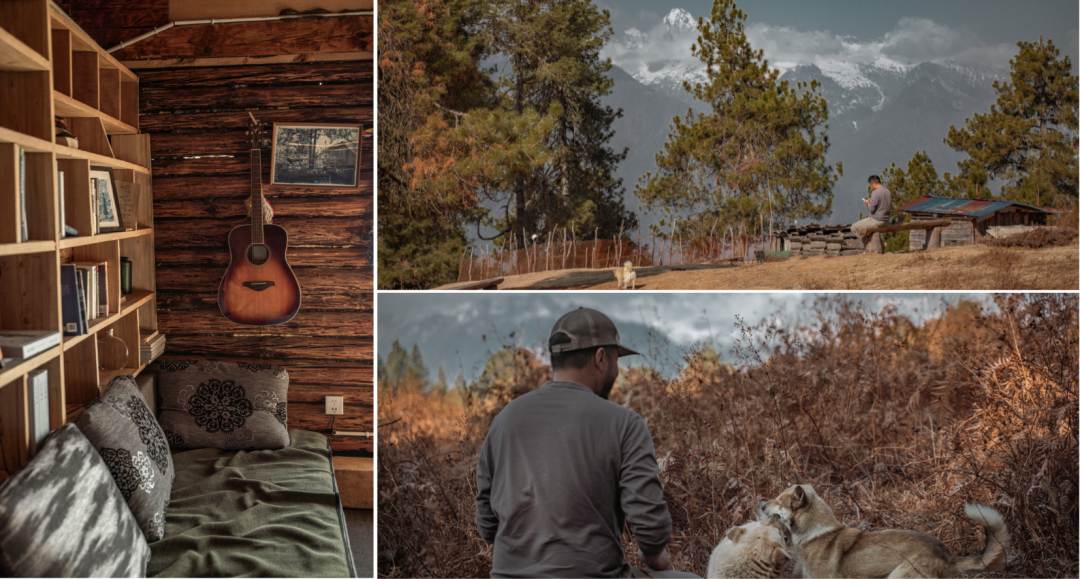
Places to stay: guesthouses with views on the doorstep, wilderness camps and small retreats built around their owners' ideas. There is time to settle in and get to know the people around you.
The journey also supports local work, including waste management at a border crossing, income for village collectives and training for local trip leaders. These are practical ways for travel to contribute to the communities and environments we visit.
Our trip leaders bring experience of other parts of the world and a close knowledge of this region. They share what they know about Nujiang, its wildlife and its communities with travellers who are curious enough to look beyond the surface.
We believe the care behind this route makes it worth the time and money you put into your trip.
From June to September, moisture from the Indian subcontinent meets the Hengduan ranges and brings sustained rain. Departures during these months depend strictly on weather and safety conditions. For much of the rest of the year, river conditions are calmer and clearer skies make exploring Nujiang and Gaoligong more rewarding.
Two ways to travel
We offer two versions of the journey. The first guest to pay a deposit chooses which route that departure will follow.
Three Rivers Crossing from Baoshan to Shangri-La
For active travellers who enjoy quieter places and walking in nature.
Day 1 Baoshan and the ecology of the Lujiang Valley
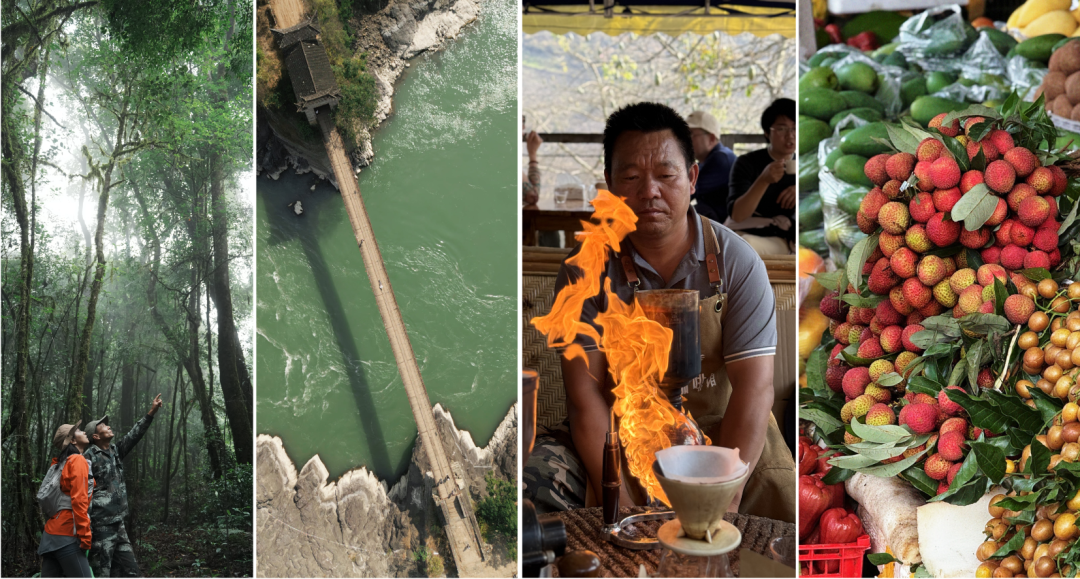
Visit Skywalker hoolock gibbon habitat and watch birds in tropical seasonal forest. Tropical fruit and coffee add another perspective on life in this hot, dry river valley.
Day 2 From Lushui to Laomudeng through the songs of the gorge
Travel between the two banks of the Nujiang. Lisu Dabenqu singing and Nu love songs introduce us to the lives and stories of these communities.
Day 3 From Zhiziluo to Yaping
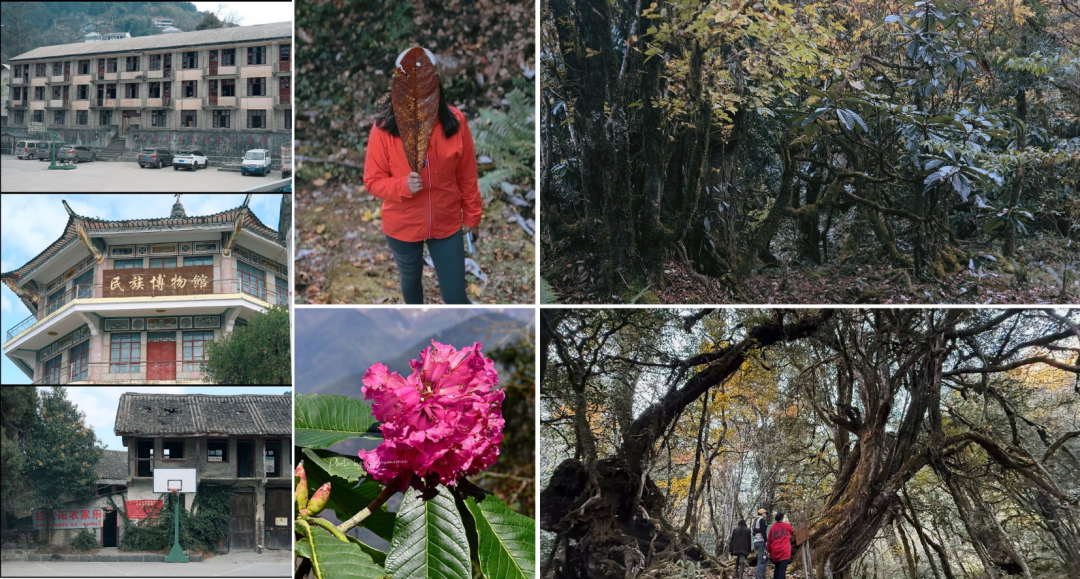
Explore the remains of a largely forgotten town, then walk through a forest of giant tree rhododendrons. Both places open up stories about the struggles that shaped Nujiang's cultural and ecological heritage.
Day 4 Communities and faiths in Bingzhongluo
In this small world of five ethnic groups and four faiths, look at how conflict, reconciliation and coexistence play out in everyday life among the river and mountains.
Day 5 From Bingzhongluo to Shuoda Village across Kongque Mountain
Cross Kongque Mountain in the Nushan range between the Nujiang and Lancang rivers. Walk along the mountaintop, then spend an evening by the fire with a Tibetan family in a village below Meili.
Day 6 From Shuoda Village to Shangri-La
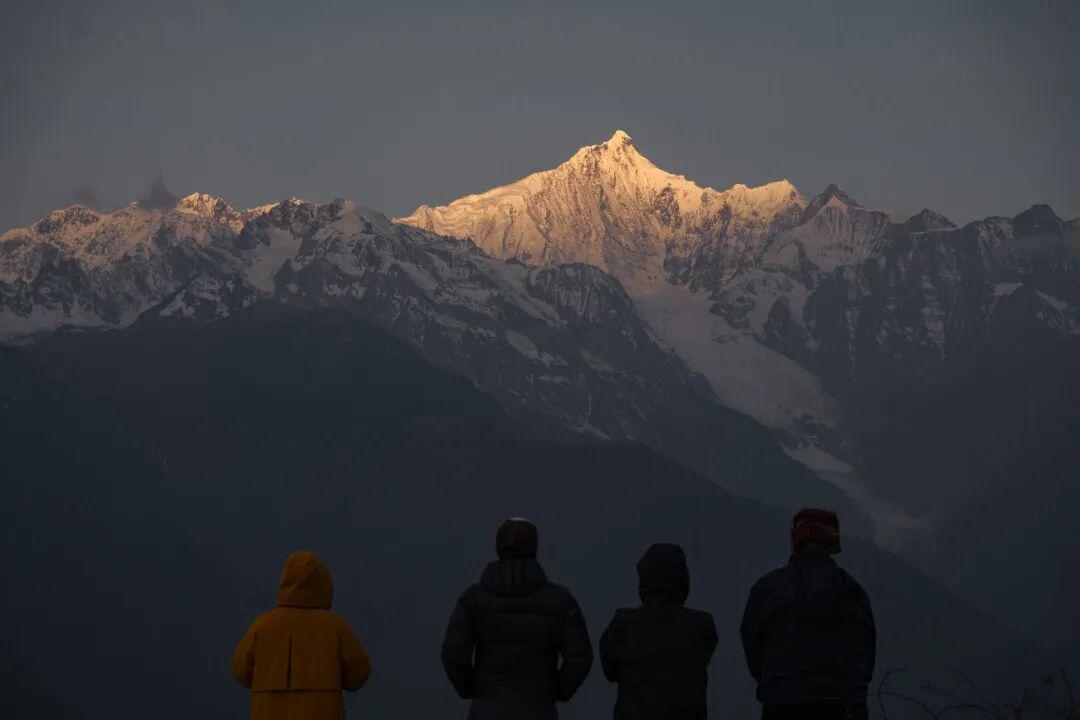
Watch the first light turn Meili's peaks golden. Cross Baima Snow Mountain in the Yunling range between the Lancang and Jinsha rivers, with a short walk through land shaped by geology and changing climate. This completes the crossing of the Three Parallel Rivers region.
Finish in Dukezong, Shangri-La, with a khata scarf and a warm meal of cured pork-rib stew.
Easier Pace through Nujiang from Baoshan back to Baoshan
A low- to mid-elevation route for travellers concerned about fitness or altitude sickness.
Days 0 to 4 follow the Three Rivers Crossing itinerary
Day 5 From Bingzhongluo to Alulaka across Kongque Mountain
Walk on Kongque Mountain in the Nushan range between the Nujiang and Lancang rivers. In a village among the gorge's pastures, spend an evening by the fire and get to know Tibetan family life.
Day 6 From Alulaka back to Baoshan
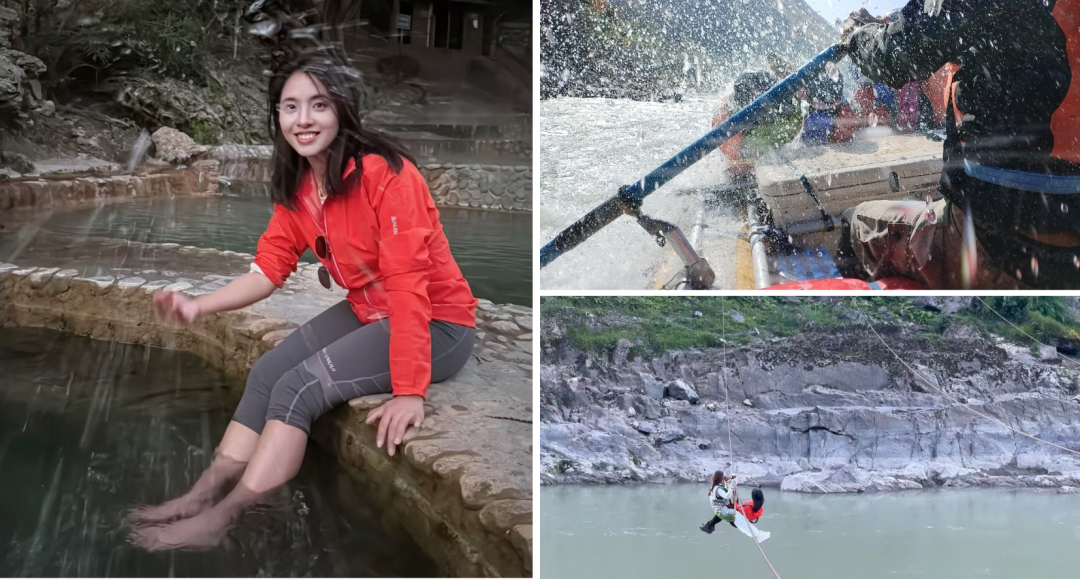
Start with morning coffee overlooking the mountains. On the return journey, raft the Nujiang, cross the gorge by zipline and stop at a natural hot spring, experiencing some of the ways people once lived and travelled along the river.
Finish in Baoshan with a local copper-pot hotpot.
The route in more detail
Journey highlights
01
Baoshan to Lujiang through the hot dry valley
Spend the day exploring the Lujiang Valley's varied habitats. At Skywalker hoolock gibbon habitat, learn field observation methods and look for these rare primates. In tropical seasonal forest, watch dozens of bird species and learn about their behaviour. Visits to fruit-growing areas and coffee estates show how local crops thrive in the valley. Moving between these environments helps us understand the relationships among the living things we see.
Baoshan to Lujiang through the hot dry valley
02
Lushui to Laomudeng through village life and song
Follow the Nujiang Gorge, travelling along both banks. Listen to the deep tones of Lisu Dabenqu and the lighter melodies of Nu love songs. Village and home visits introduce local customs, stories and the everyday life behind the music.
Lushui to Laomudeng through village life and song
03
Laomudeng via Shiyueliang to Yaping
In the morning, walk through Zhiziluo and trace the town's changes through its remaining buildings. In the afternoon, visit Yaping's forest of giant tree rhododendrons. A gentle 3 km walk at around 2,500 metres introduces the rare plants and the region's ecological and cultural history.
Laomudeng via Shiyueliang to Yaping
04
Shiyueliang to Bingzhongluo
Bingzhongluo is often described as a place where people and gods live together. Five ethnic groups and four faiths share this small area. Walk through the villages, visit local homes and talk by the fire about how different traditions meet, sometimes clash and find ways to coexist.
Shiyueliang to Bingzhongluo
05
Three Rivers Crossing from Bingzhongluo to Foshan via Kongque Mountain
Leave Bingzhongluo and cross Kongque Mountain in the Nushan range. The itinerary includes a gentle walk of about 4 km at around 3,900 metres, with wide mountain views. Descend to a village below Meili, visit a Tibetan family and spend the evening talking by the fire.
Three Rivers Crossing from Bingzhongluo to Foshan via Kongque MountainThree Rivers Crossing from Bingzhongluo to Foshan via Kongque Mountain
Easier Pace from Bingzhongluo to Dimaluo
Walk on Kongque Mountain through alpine meadows with views of Biluo Snow Mountain. Continue to a village among the gorge's pastures, where time by the fire with local residents offers a closer look at Tibetan life in the mountains.
Easier Pace from Bingzhongluo to Dimaluo
06
Three Rivers Crossing from Foshan to Shangri-La via Baima Snow Mountain
Wait for the morning light to turn Meili golden. Then cross Baima Snow Mountain in the Yunling range. A walk of about 3.5 km at around 4,000 metres, with approximately 240 metres of ascent and moderate difficulty, takes in glacial U-shaped valleys and other traces of past climates. Finish in Dukezong, Shangri-La, with Naxi cured pork-rib stew and a khata scarf blessing.
Three Rivers Crossing from Foshan to Shangri-La via Baima Snow MountainThree Rivers Crossing from Foshan to Shangri-La via Baima Snow Mountain
Easier Pace from Dimaluo back to Baoshan
Enjoy morning coffee surrounded by snowy mountain views. On the return journey, try Nujiang rafting and a gorge zipline, then soak in a natural hot spring. In the evening, share a local copper-pot hotpot in Baoshan.
Easier Pace from Dimaluo back to Baoshan
Prices and inclusions
Off-peak price: CNY 8,900 per person, including a private room with a double bed. If room sharing can be arranged, we refund the applicable difference. Ask us for details.
Peak-season price: CNY 9,800 per person, including a private room with a double bed. If room sharing can be arranged, we refund the applicable difference. Ask us for details.
Deposit and cancellation: pay 30% of the total trip price at least 15 days before departure, with the balance due 10 days before departure. If the group does not reach the minimum size, we refund the deposit in full 10 days before departure. Once the departure is confirmed, the deposit is non-refundable if a guest cancels without cause.
Tailor-made planning: CNY 200 per request for groups of up to 5 people, or CNY 500 for groups of more than 5. The fee is refunded in full if you subsequently join the journey.
Transport: up to 4 guests travel in an SUV with a combined driver-guide. Groups of 5 to 7 use a 7- to 9-seat minivan with a separate driver and guide. Private groups use a vehicle matched to their size, with one seat per guest.
Accommodation: seven nights in the places listed in the itinerary. Properties may change during Chinese New Year, without reducing the accommodation standard.
Staff: a dedicated trip leader, online support contact and professional driver. Specialist activities, such as gibbon observation, also have a local guide.
Meals: breakfast at every hotel and the special meals and snacks specified in the itinerary. Meals marked as independent are not included.
Entrance fees and activities: all planned entrance fees, walks, rafting, ziplining and other itinerary activities.
Travel support: specialist insurance for high-risk activities, plus shared outdoor equipment including tables and chairs, a first-aid kit and oxygen canisters.
Who this journey suits
• Families who want to spend time in forests, river valleys, villages and local homes, rather than simply visit sights.
• Parents who are happy to observe, ask questions, wait and take part alongside their children.
• Travellers comfortable with gentle walking, rural roads and changing mountain weather.
Who may prefer a different trip
• Parents looking for childcare so they can take a complete break.
• Travellers expecting a packed schedule of popular sights and photo stops.
• Anyone unwilling to observe, wait or participate.
• Travellers who expect quieter destinations to be a more exclusive sightseeing checklist, without taking part in local life.
How our day experiences and longer journeys differ
For Zhengfei, travel involves meeting people and seeing how they live. It helps us understand how a place influences people's choices, and those encounters can offer a new perspective on our own lives.
A day experience is an approachable starting point. In a few hours, you might explore a forest, get to know a species, visit a family or try an aspect of local life. It is not a structured course, but there is more observation and questioning than on a typical walk, and more conversation than on a conventional visit. For families new to nature observation, local cultures or learning together, it is a good place to begin.
A longer journey does more than put several day experiences together. The route, ongoing conversations and connections between different stops help the group explore a place as a whole. With a trip leader throughout, nature, culture, food, history and daily life become parts of the same story.
Instead of seeing a series of unrelated sights, you begin to understand why a place is as it is, how people live with its mountains, climate and produce, and how other living things survive in their surroundings. We hope you leave with a habit of looking more closely at nature and understanding other people, as well as a fresh way of seeing your own life.
Meet our trip leaders
Xiaotian
Xiaotian
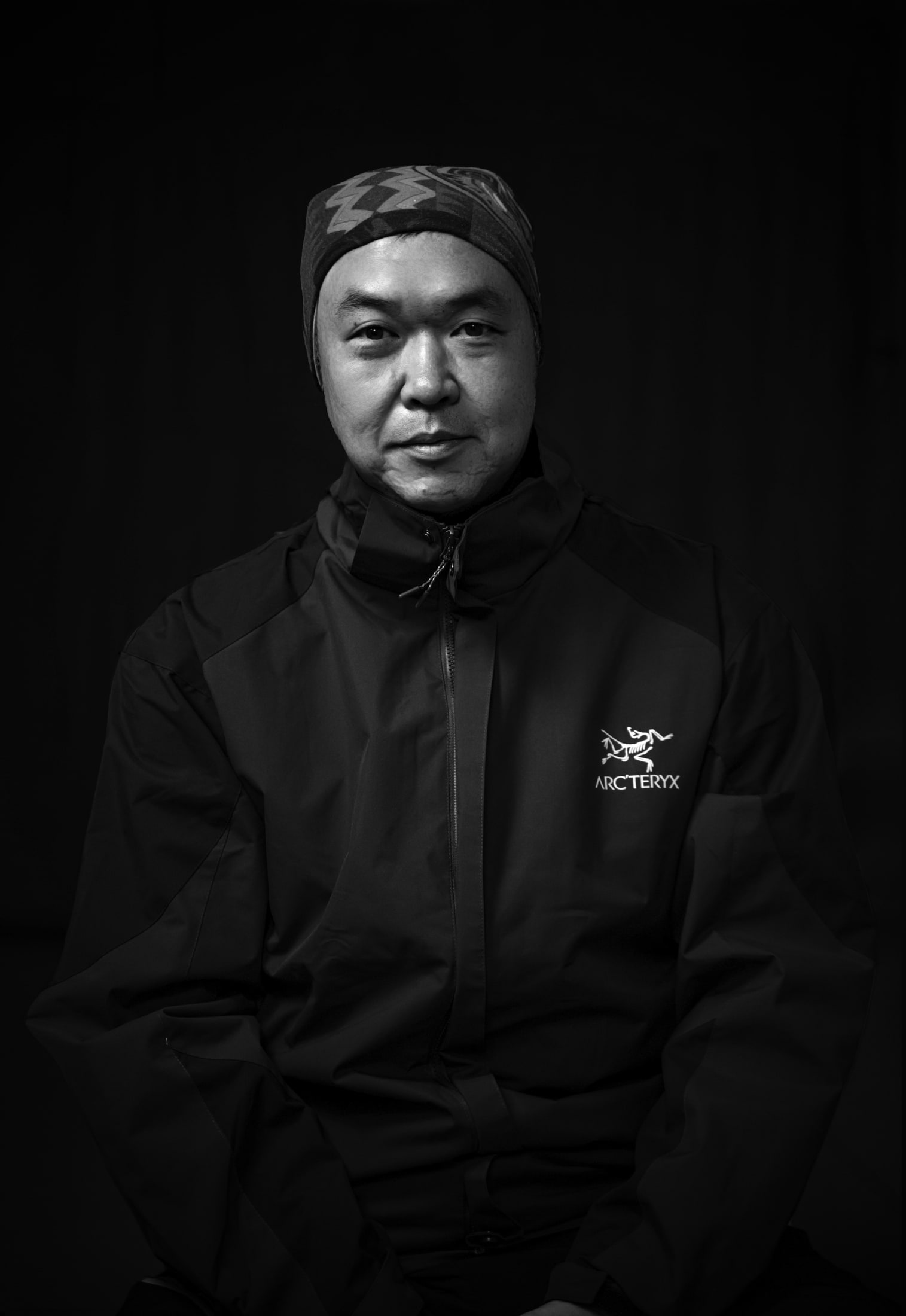
Xiaotian works in international communications and cultural exchange. He lived in Africa for three years and has travelled in ten countries across Africa, the Middle East and beyond. These experiences inform how he looks at people, places and the natural world.
His photography and film work covers documentary stories, landscapes, climate change and sustainability, women's development projects in Africa, community projects and commercial work. He received third prize in CCTV's China–Africa Youth short-video competition.
Now based in Dali, Xiaotian continues to explore Yunnan on foot and through his camera. As a Zhengfei trip leader, he shares the stories behind the places we visit, connecting everyday life with the history and landscape around it.
Yu Bo
Yu Bo
Originally from Beijing and now based in Dali, Yu Bo researches Dali's history and culture. He founded city walks in Dali, Weishan, Jianchuan and Xizhou. His training includes nature interpretation with the National Nature Education Forum, advanced Leave No Trace instruction and counselling training through Yixinli.
CNY 8,900 per person off-peak; CNY 9,800 in peak season. A private double-bed room is included. A private group of exactly 3 pays an additional CNY 1,000 per person.
Ask about dates and the full plan.
Tell us who’s travelling and what interests you. We’ll confirm the route, availability, full quote and booking terms with you.