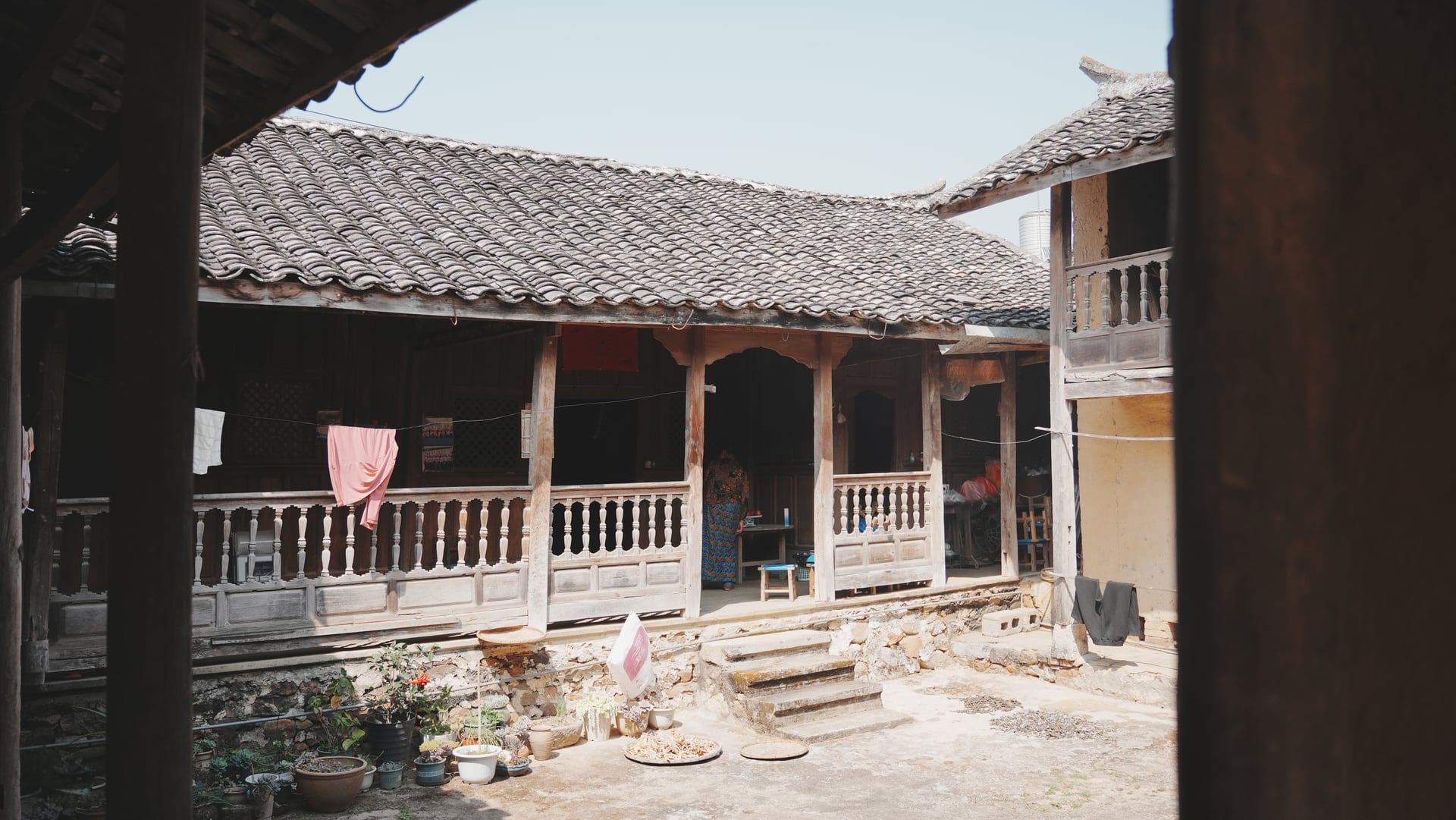
Journey overview
Start in Mangshi and explore western Yunnan over five to eight days: Tengchong's exceptionally well-preserved volcanic landscapes, the biodiversity of the Gaoligong mountains, tropical fruit country in Lujiangba, and the lives and cultures of local communities.
Zhengfei uses these places as a starting point for exploration. Children can hear, search, wait and ask questions in nature. Families may find a shared interest that continues in their own neighbourhoods—looking at trees, birds and weather, and talking about what they notice. Adults can rediscover the concentration and enjoyment of playing outdoors, with room to relax and think.
Scientific field-style walks, wildlife observation, experiments with taste and visits to local homes are linked by questions and tasks. Across several days, an introduction becomes an understanding and a source of ideas.
Itinerary at a glance
Tailor the journey to five to eight days. This example spans seven days.
- Day 1 — Mangshi: meet and discover the cultures, beliefs and flavours of local communities.
- Day 2 — Around Mangshi: visit villages and homes, taking part in local everyday life.
- Day 3 — Lujiangba, Baoshan: enter important wildlife habitat using field-observation methods, and explore a major tropical-fruit growing area.
- Day 4 — Lujiangba: discover Gaoligong's colourful bird life, followed by amphibians, reptiles and insects after dark.
- Day 5 — Tengchong: wartime remains and old towns introduce moments of change in national history and local character.
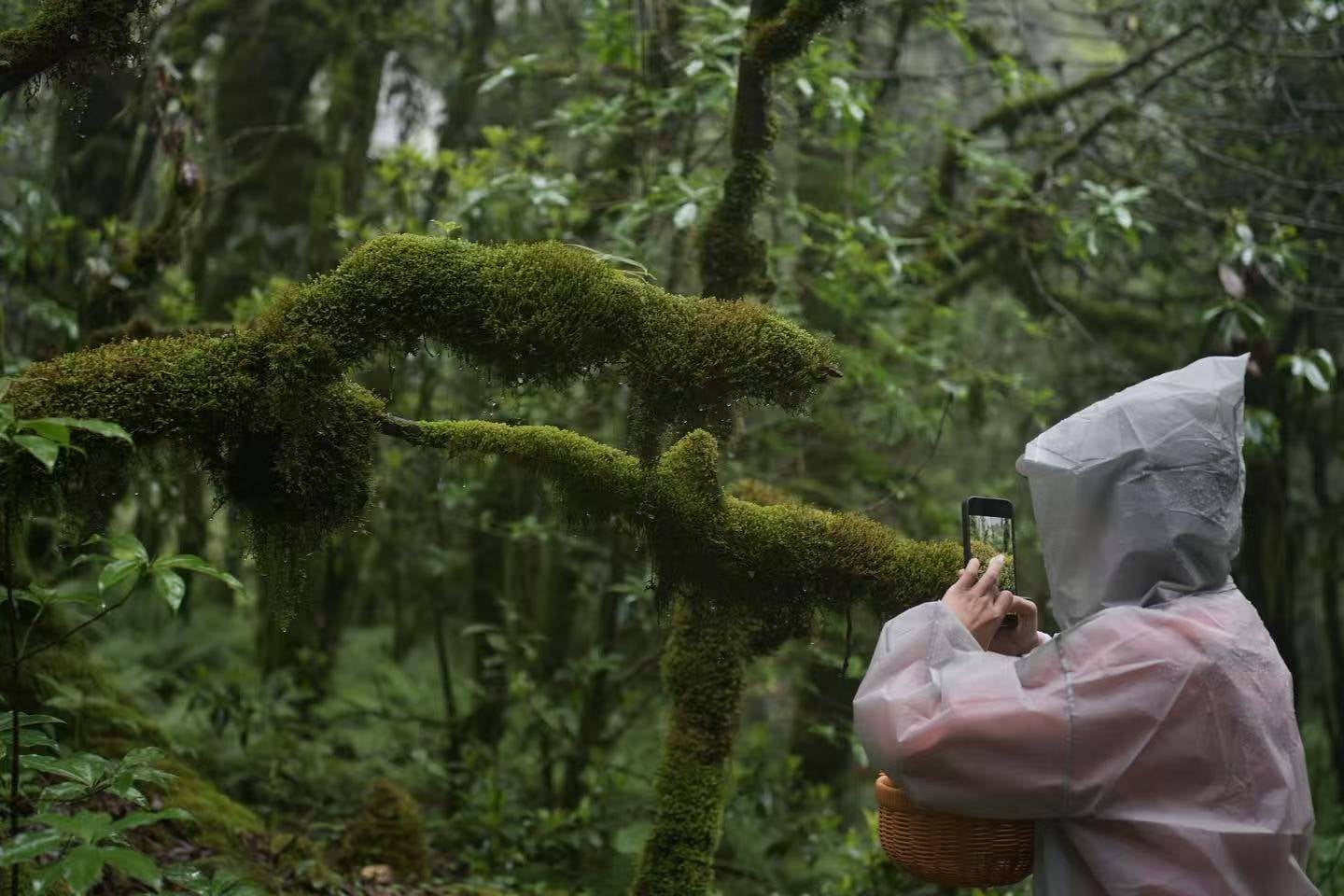
- Day 6 — Around Tengchong: a quiet walk through the moss-draped forest.
- Day 7 — Around Tengchong: connect three different volcanic forms to a landscape shaped by roughly 40,000 years of geological change.
Stays use high-end or luxury hotels selected for local character and scenery. Meals and afternoon teas draw on places we have experienced ourselves, with regional cooking rather than standard group menus.
Journey highlights
01 — Gaoligong primates, birds and their lives
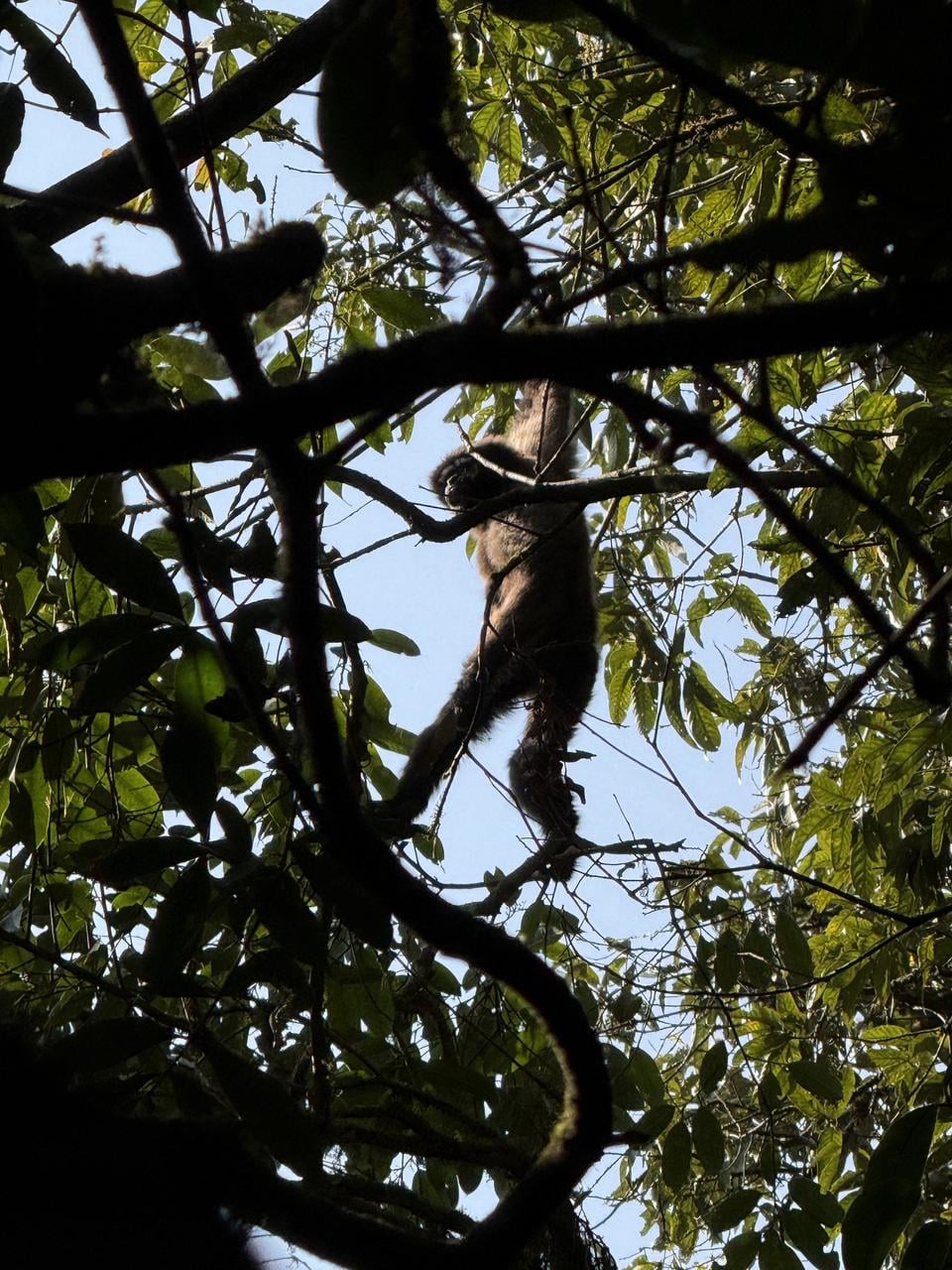
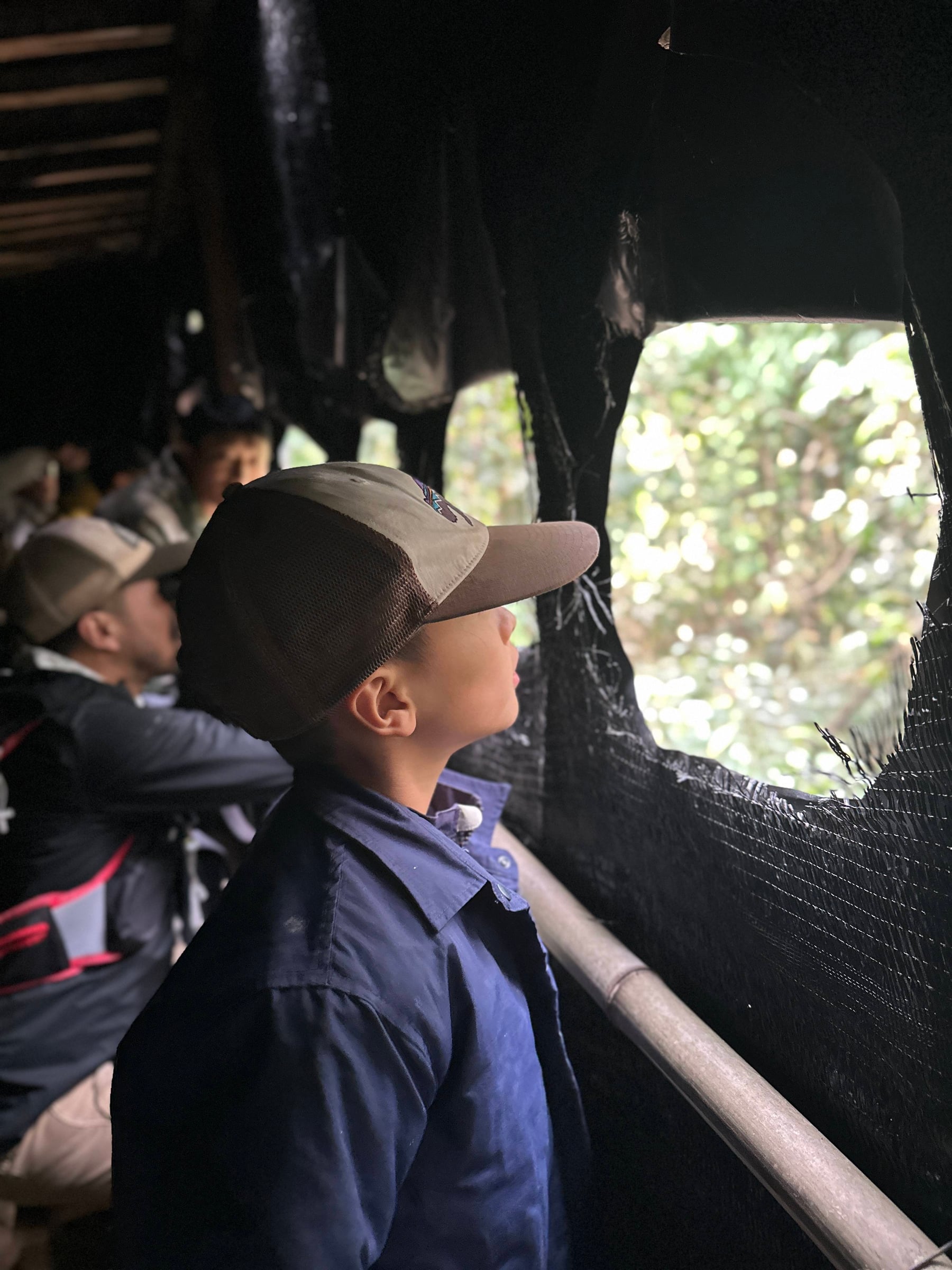
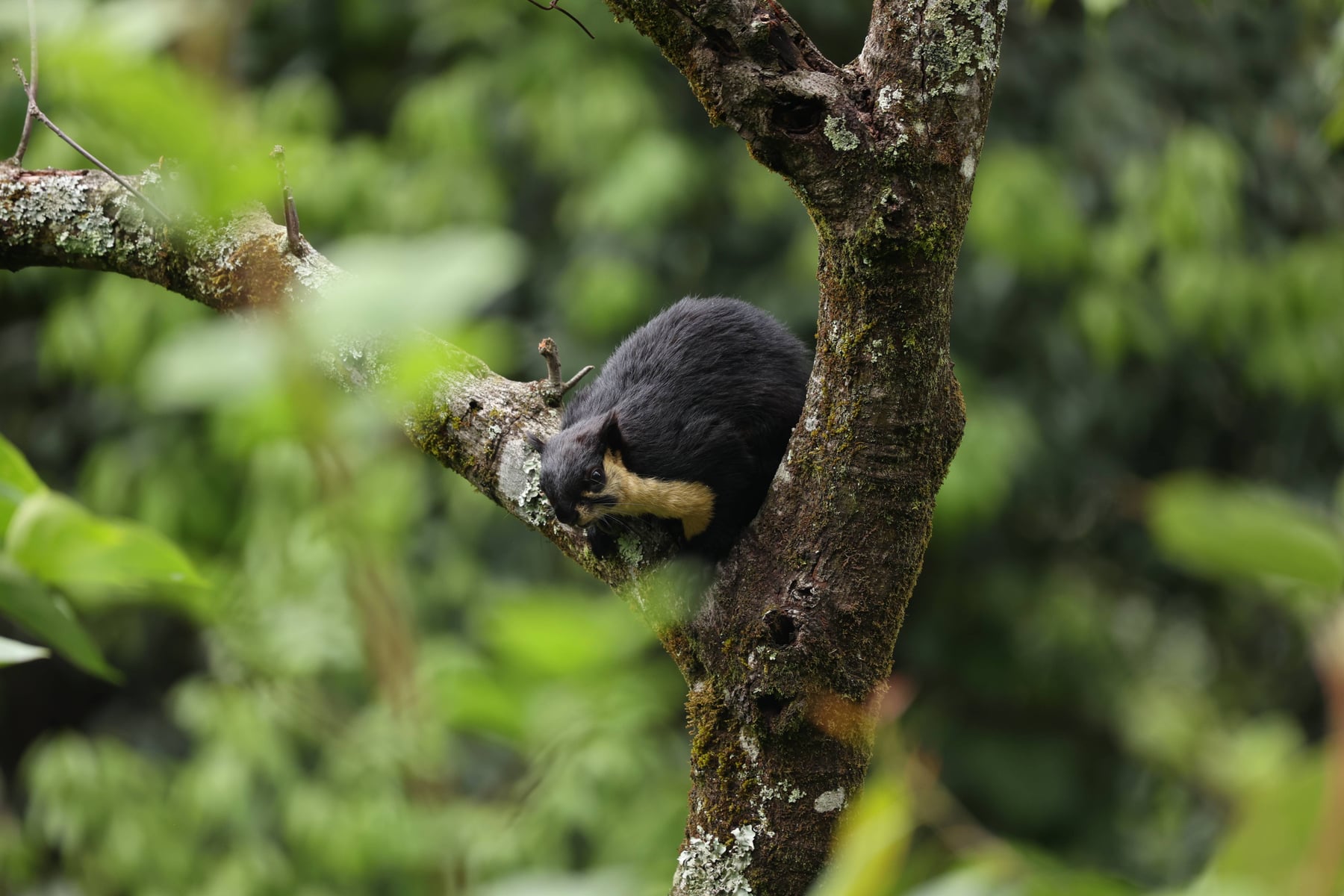
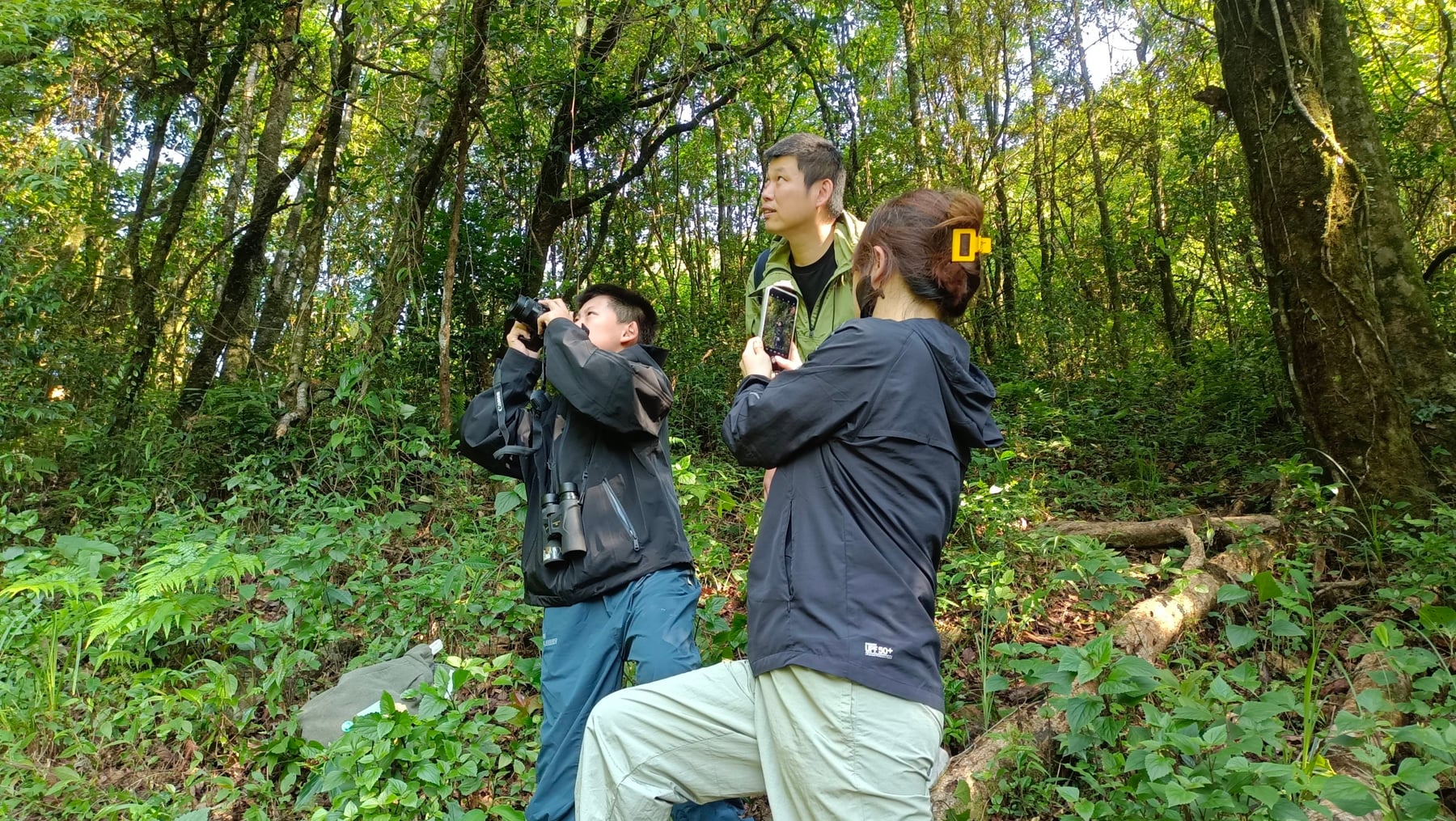
Search the canopy, calls and tracks for the region's primates. Field-observation methods help us understand feeding, movement, vigilance and the care of young in a mountain forest.
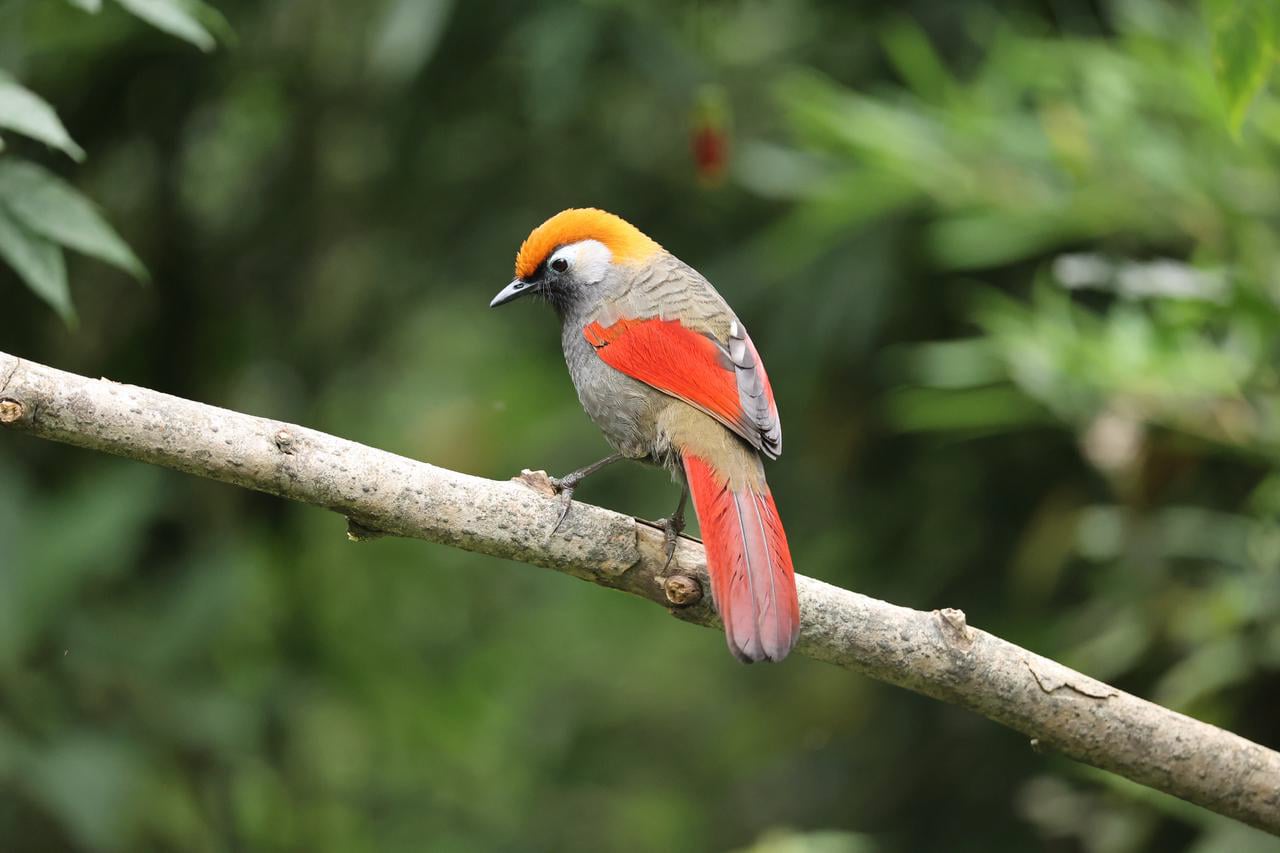
Birdsong at dawn and dusk becomes part of the journey. From colourful sunbirds to pheasants and thrushes hidden in woodland, each species opens a story of survival, family relationships and habitat.
02 — The forest's night-time orchestra
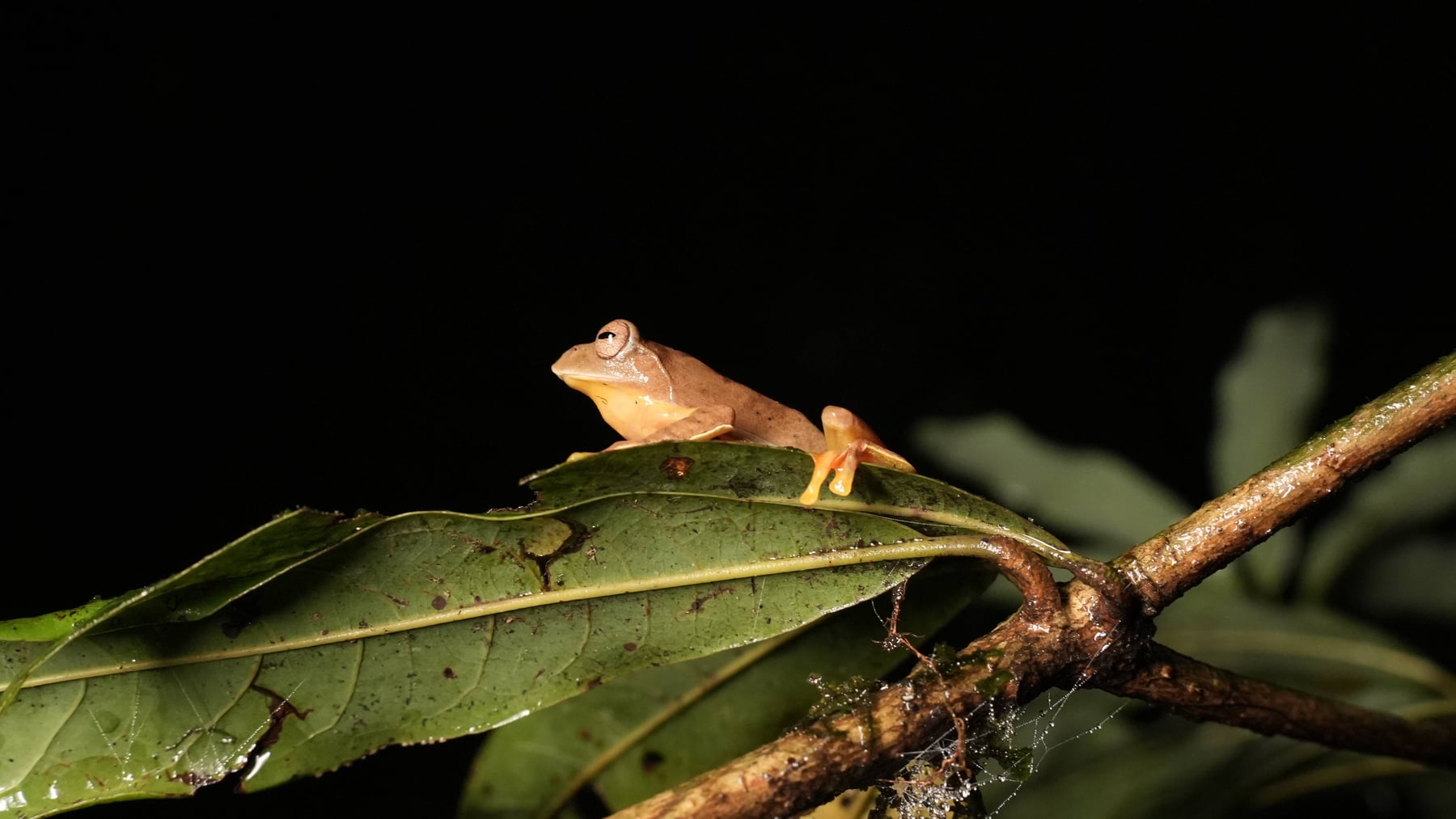
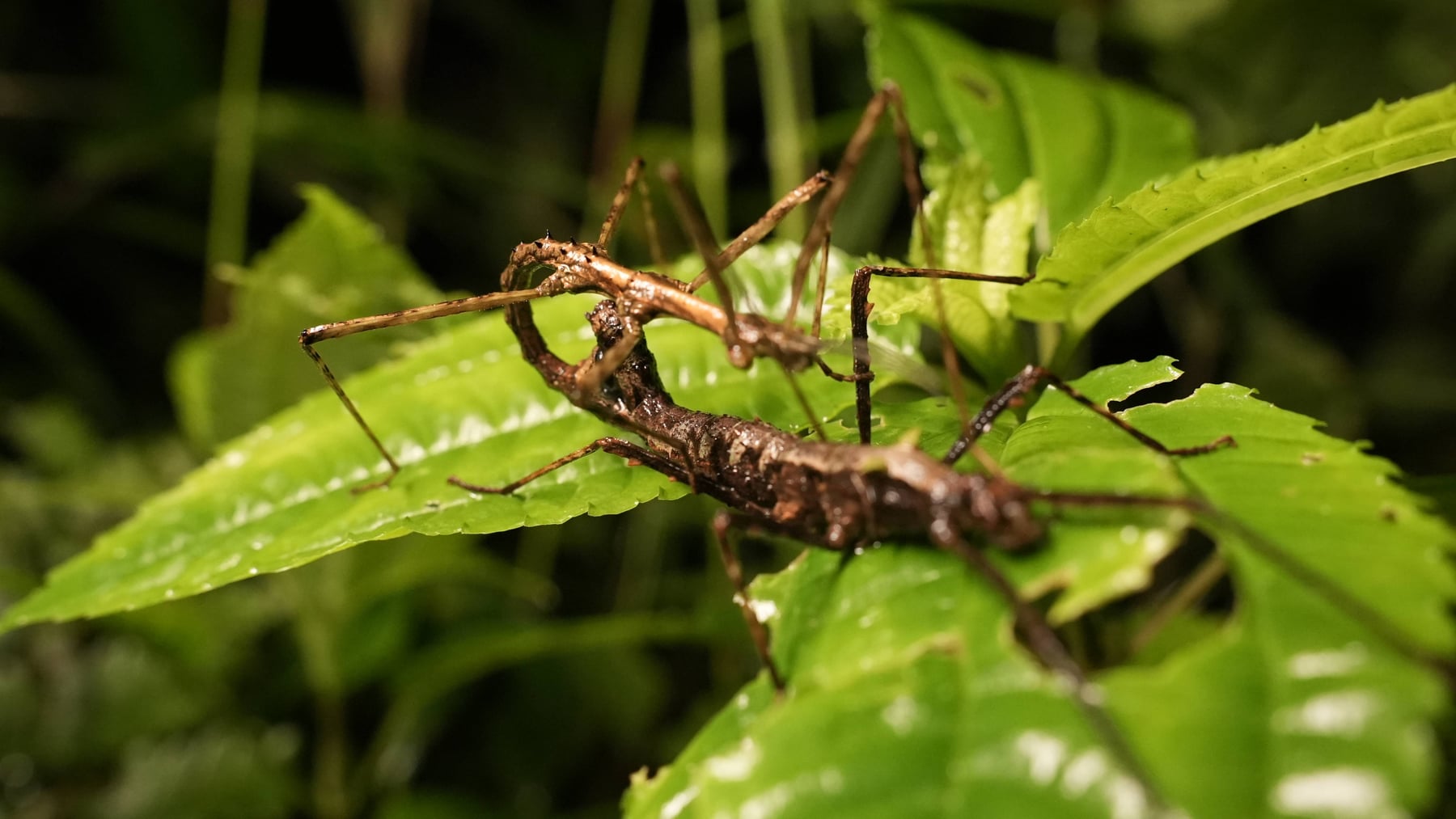
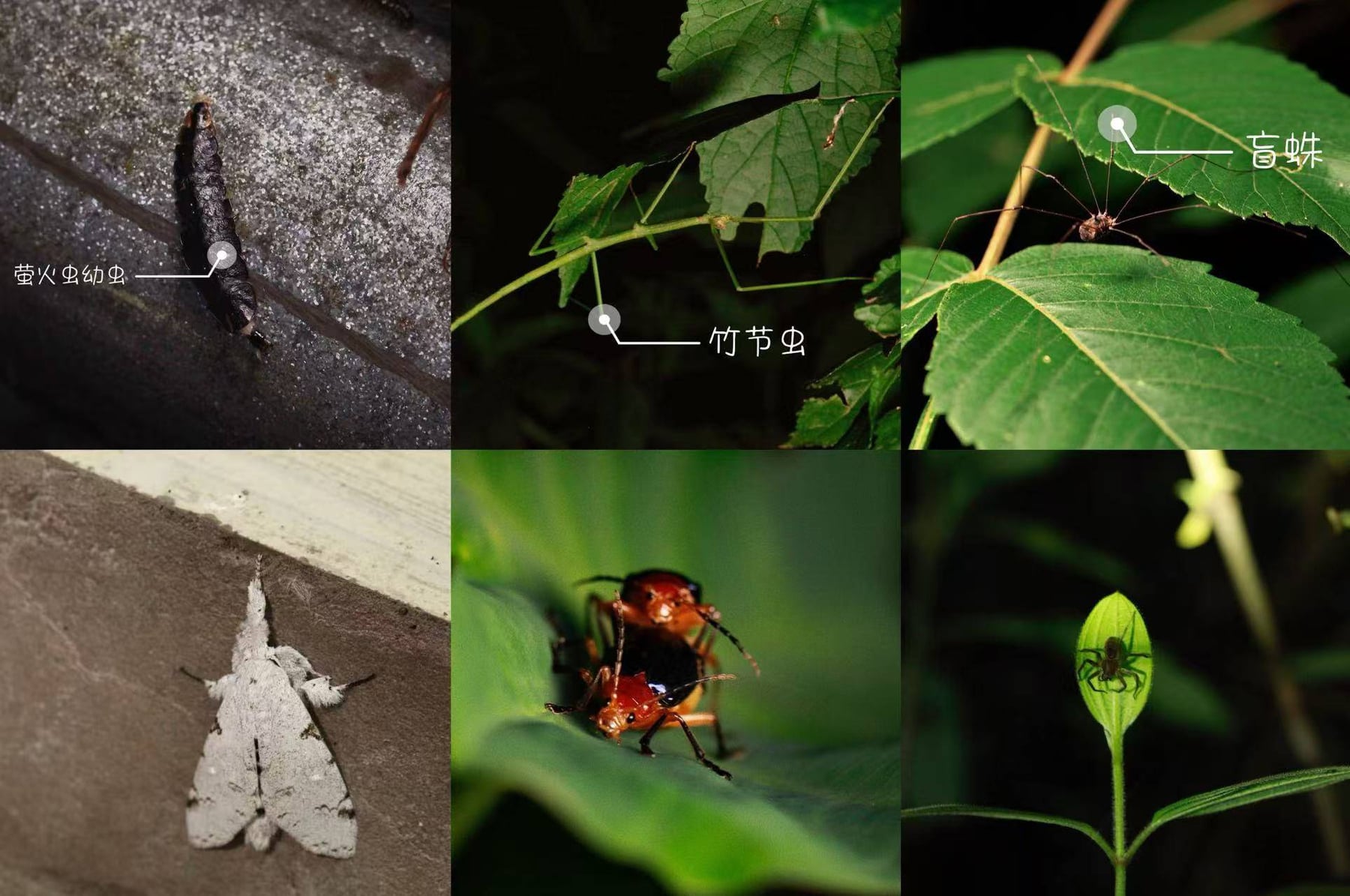
After dark, frogs, insects and moving leaves create an orchestra without a conductor. With head torches and patience, look behind leaves, beside streams and along the path for insects, frogs and occasional snakes or lizards. Another set of lives is communicating, hunting and hiding while we usually sleep.
03 — Fruit, coffee and people in the Nujiang's hot valley
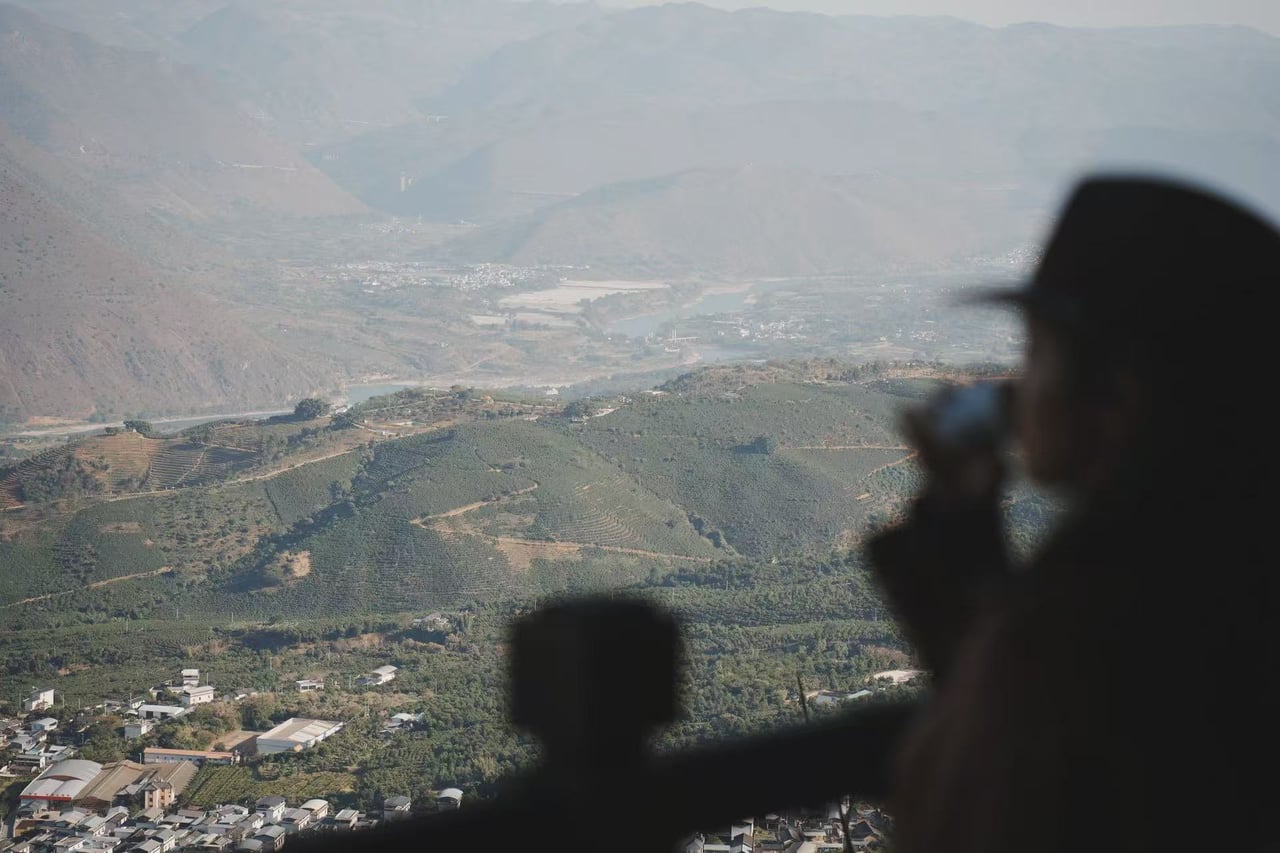
Lujiangba's climate can be tasted in mangoes, fragrant coffee and freshly picked tropical fruit. Explore how valley, weather, soil and growers shape those flavours. Old bridges, villages and the people who grow the crops connect tasting to a wider picture of land and livelihood.
04 — Local food, customs and beliefs
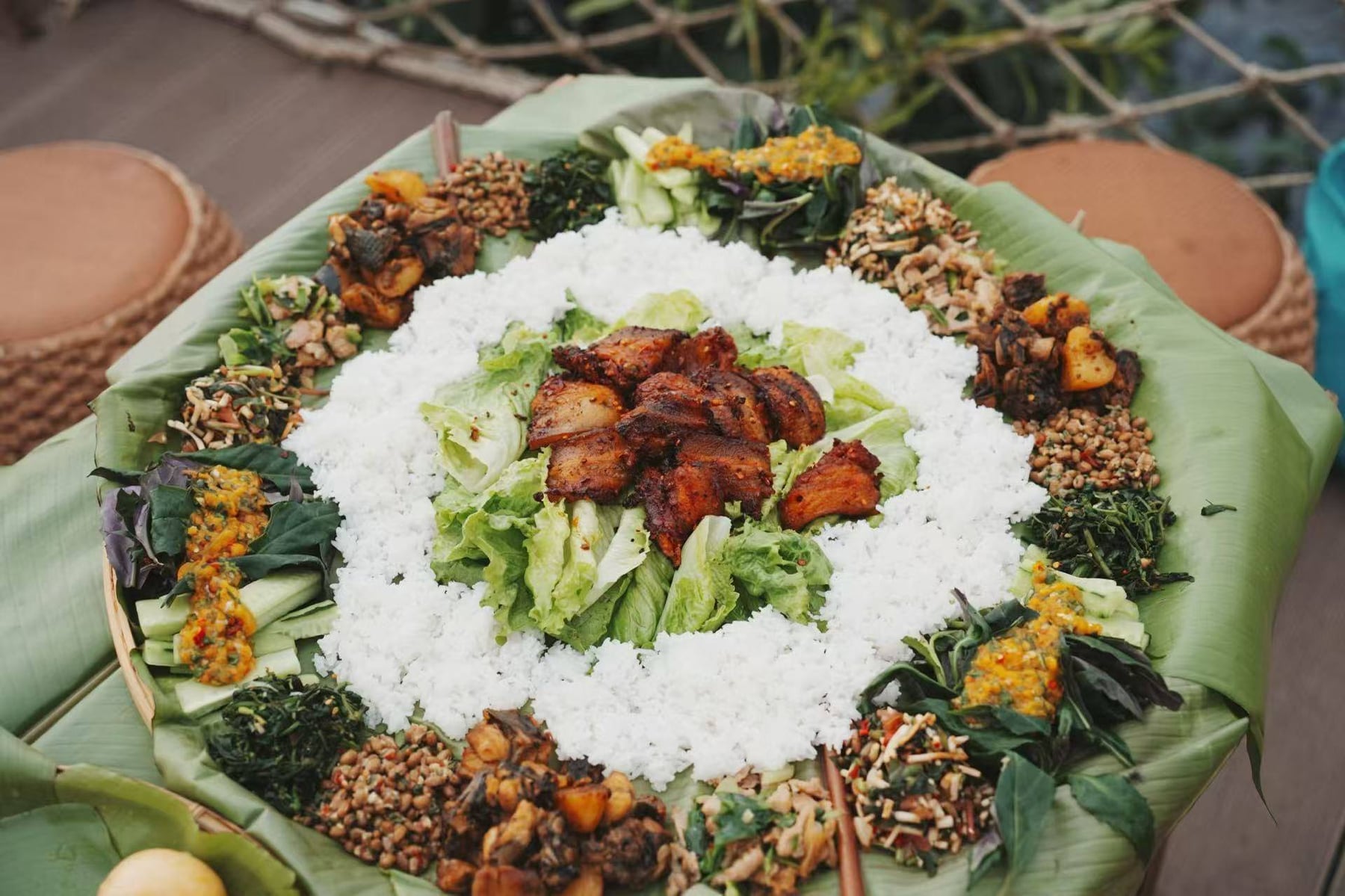
Visit villages, homes and everyday spaces, sharing food and hearing how people understand festivals, ancestors, nature and faith. Different relationships with mountains and valleys appear in tables, clothing, buildings and ceremonies. These encounters also invite reflection on relationships that modern routines can overlook.
05 — Volcanic landscapes underfoot
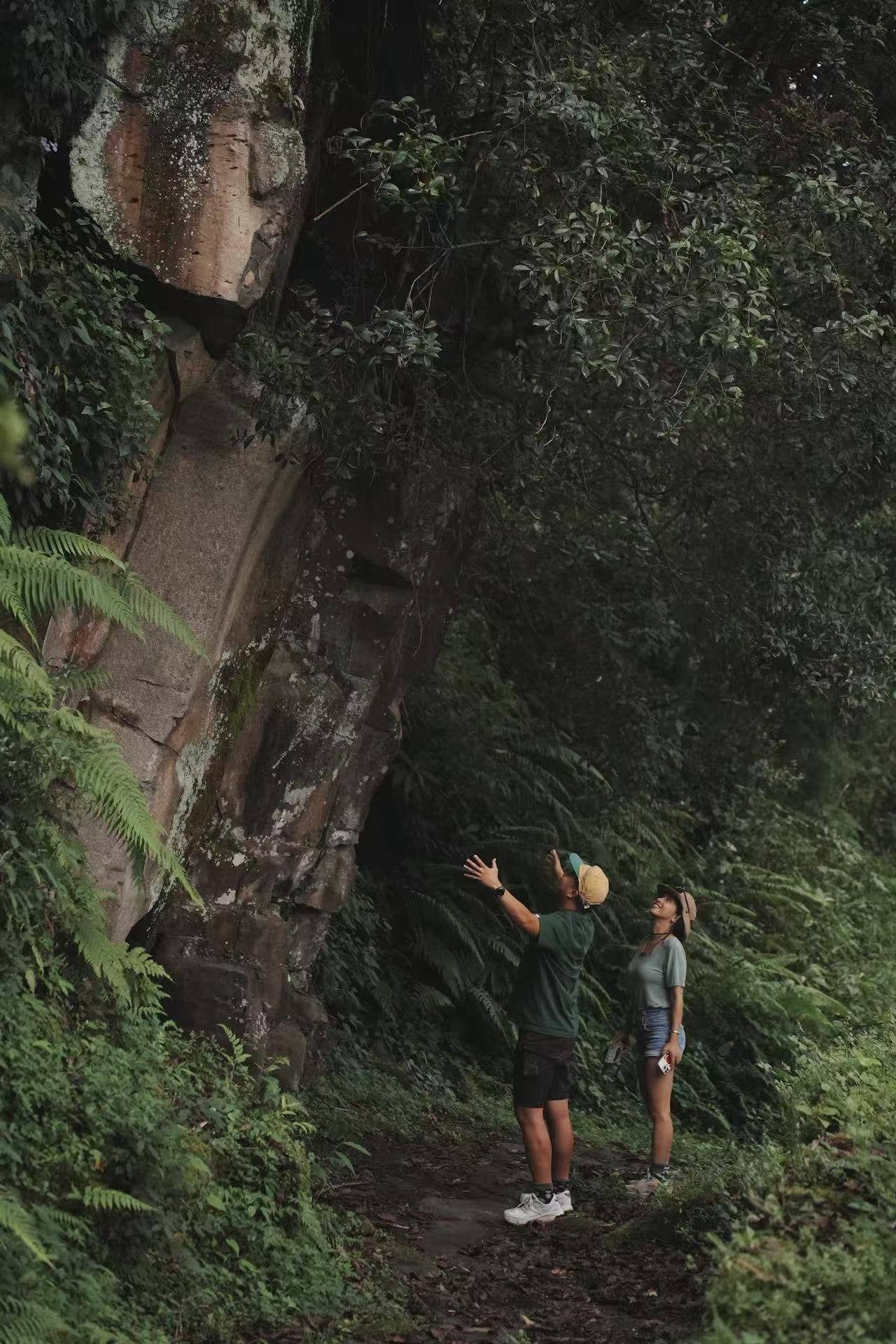
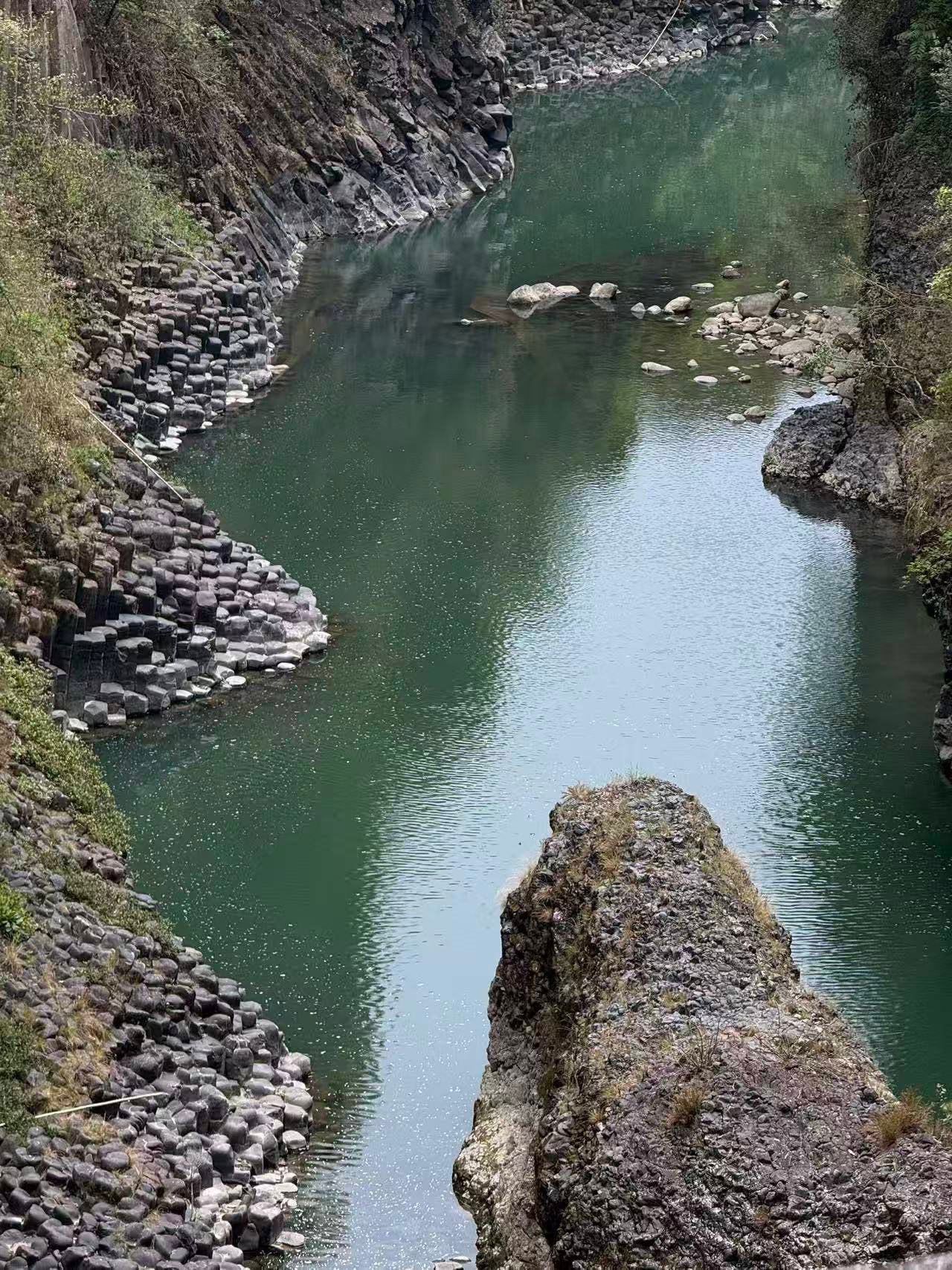
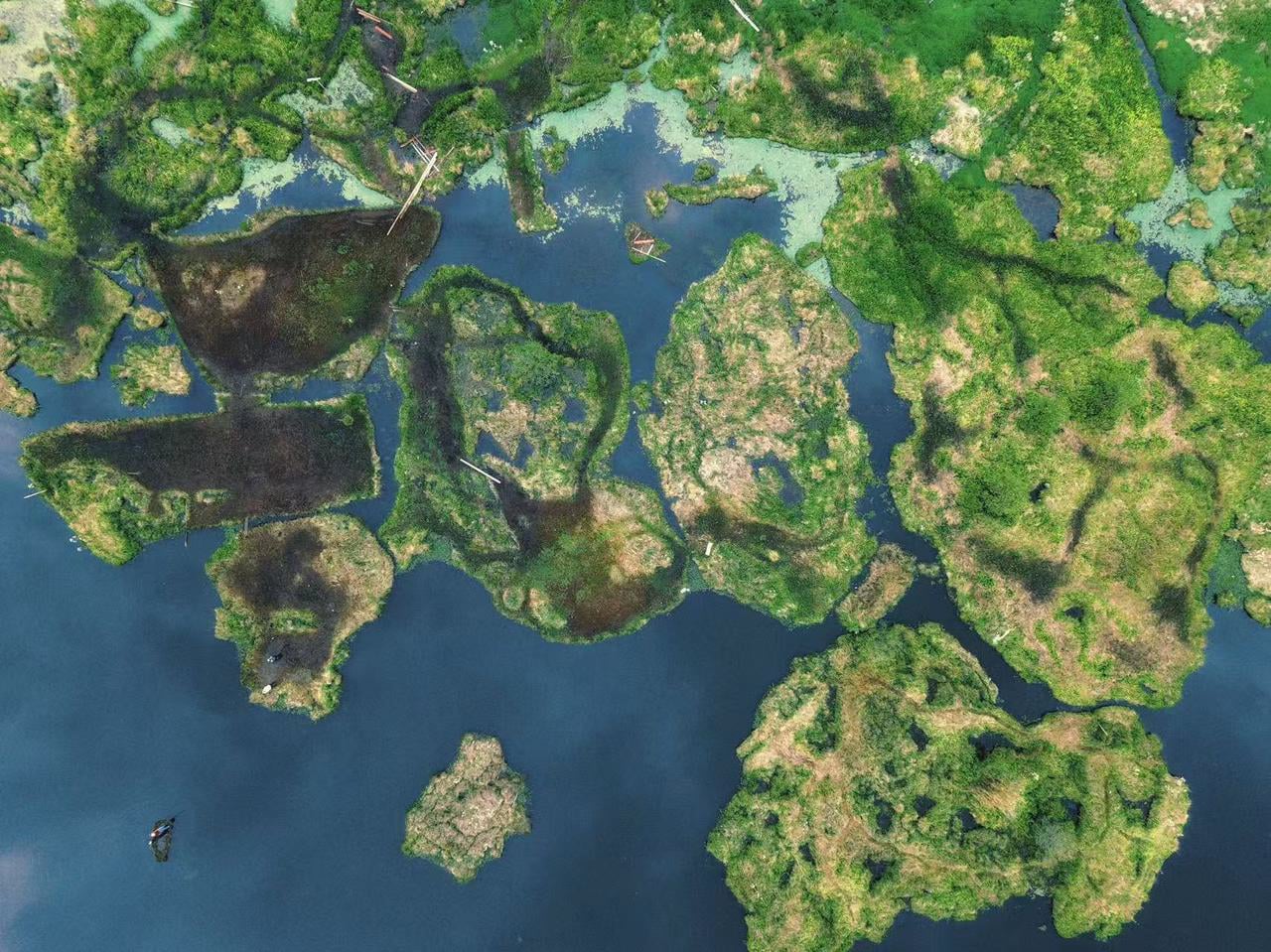
Approach volcanic cones, lava plateaux, columnar rock and traces partly covered by time. Feel the ground's contours and notice changes in rock, then imagine lava moving across what is now a quiet landscape. Geological time becomes something you can explore in a place shaped over roughly 40,000 years.
06 — Quiet in the moss forest
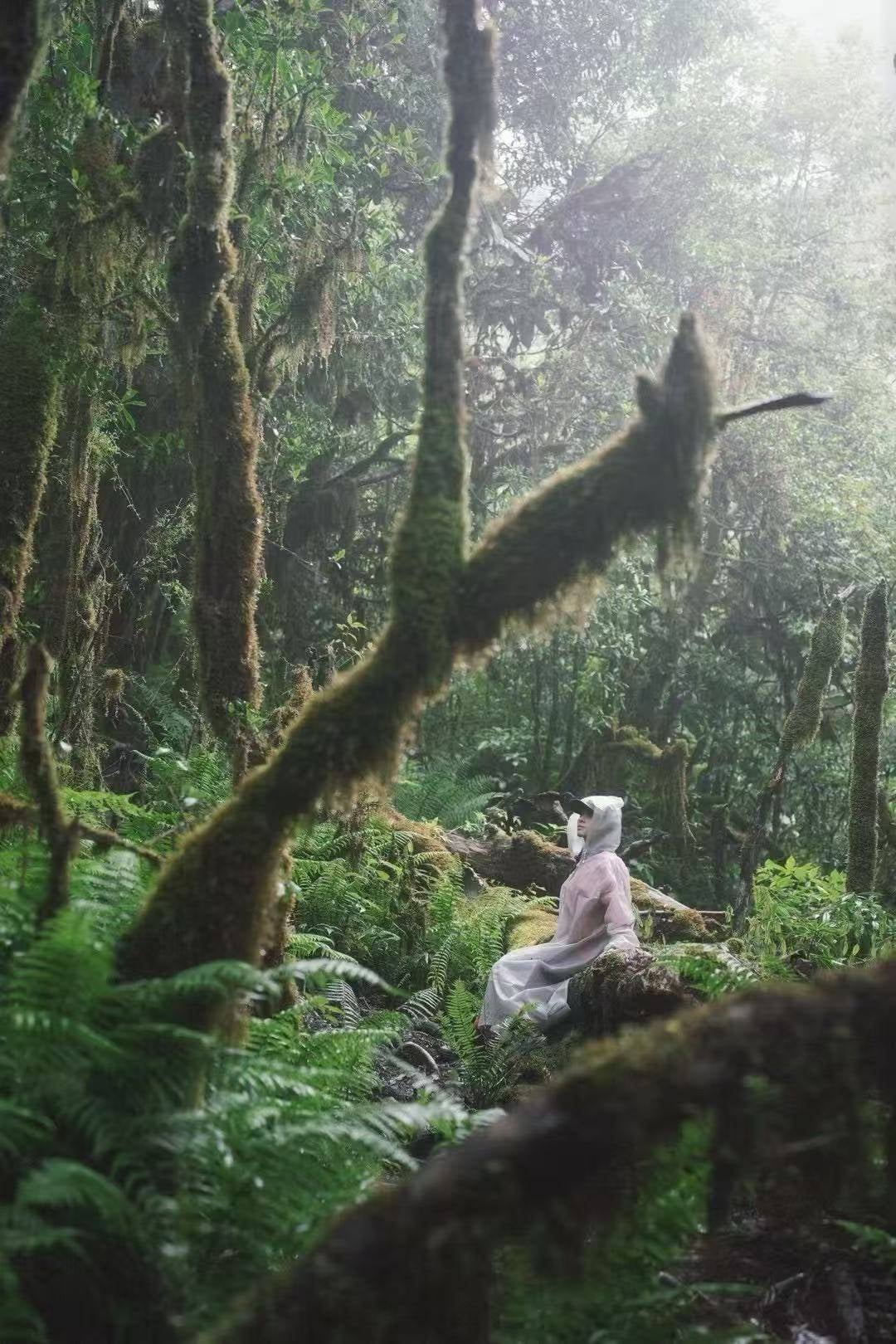
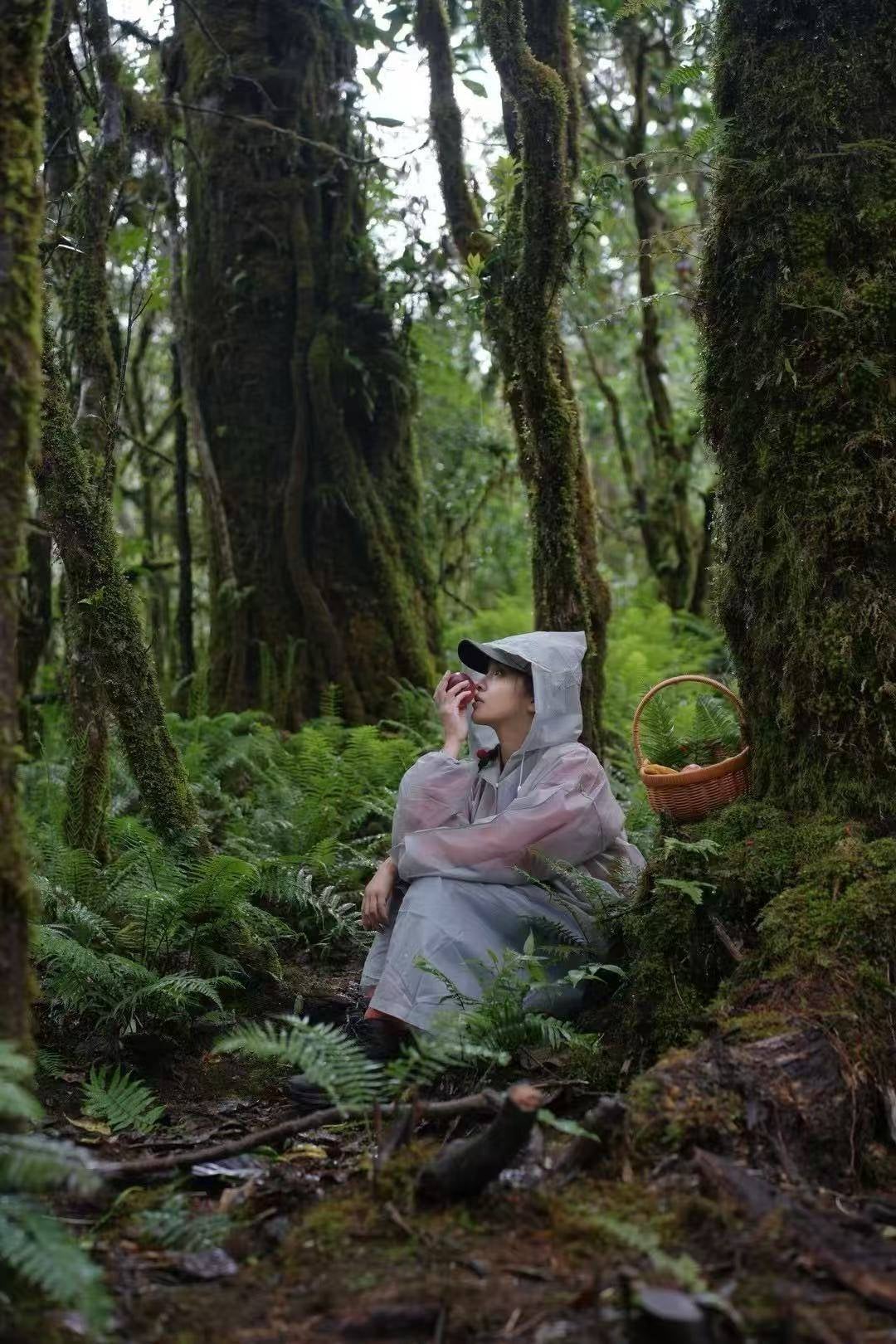
Thick moss covers trunks, stones and fallen wood. Damp air and soft sounds encourage a slower pace. Watch how moss grows, moisture gathers and the forest sustains its small cycles. Children find an entrance to a miniature world; adults have time away from screens and schedules.
07 — From large landscapes to small lives
Begin with volcanoes, river valleys and mountain forests, then explore birds, insects, moss, fruit and people's daily lives. Return to your own questions: what do I enjoy observing, what makes me afraid, and when do I feel most at ease outdoors? Tasks, discussion, records and experiences help parents and children develop ways of observing that they can keep using at home.
Price and inclusions
- Tailor-made price: approximately CNY 1,000–1,500 per person per day, depending on season, duration, hotels and activities.
- Transport: itinerary transport from meeting in Mangshi until finishing in Mangshi.
- Accommodation: stays specified in the final confirmation.
- Team: one Zhengfei leader throughout, local guides or interpreters, and dedicated online support.
- Food: regional lunches and dinners, generally CNY 50–100 per person; occasional afternoon tea and local snacks. Daily drinking water, fruit and snacks are included.
- Admission and experiences: Baihualing birdwatching, forest night observation, moss forest and gibbon observation are examples; use the final confirmed list.
- Support: travel insurance, a first-aid kit and the observation and walking equipment required.
Who it suits
Families wanting time in forests, valleys, villages and local life; parents ready to observe, ask questions, wait and participate with their children; and guests comfortable with light walking, night observation, rural roads and changing mountain weather.
It is less suitable if parents expect someone else to look after children while they relax, if you mainly want famous attractions and photo stops, if you do not enjoy observation or participation, or if you want an exclusive list of sights without engaging with local life.
How our day tours and longer journeys differ
Zhengfei sees travel as a way to meet real people, understand how a place shapes their choices and find ideas for your own life.
A day tour is an accessible starting point: a forest, a species, a home visit or a glimpse of local life. It offers observation, questions and real conversations rather than a formal course. It can be a useful first encounter with nature observation, local culture or learning together as a family.
A longer journey connects places through its route, recurring questions, experiences that speak to one another and the guidance of a leader throughout. Nature, food, history, culture and ways of living become part of a continuous exploration.
You gradually discover why a place is as it is, how people live with mountains, weather and local produce, and how other organisms survive in their habitats. We hope the experience helps you observe nature, understand other people and look again at your own life.