Highlights
Cycle between Cangshan, Erhai and Bai countryside, stopping at places where people are trying out different ways to live. The ride connects scenery with conversations about the confidence to create a new life.
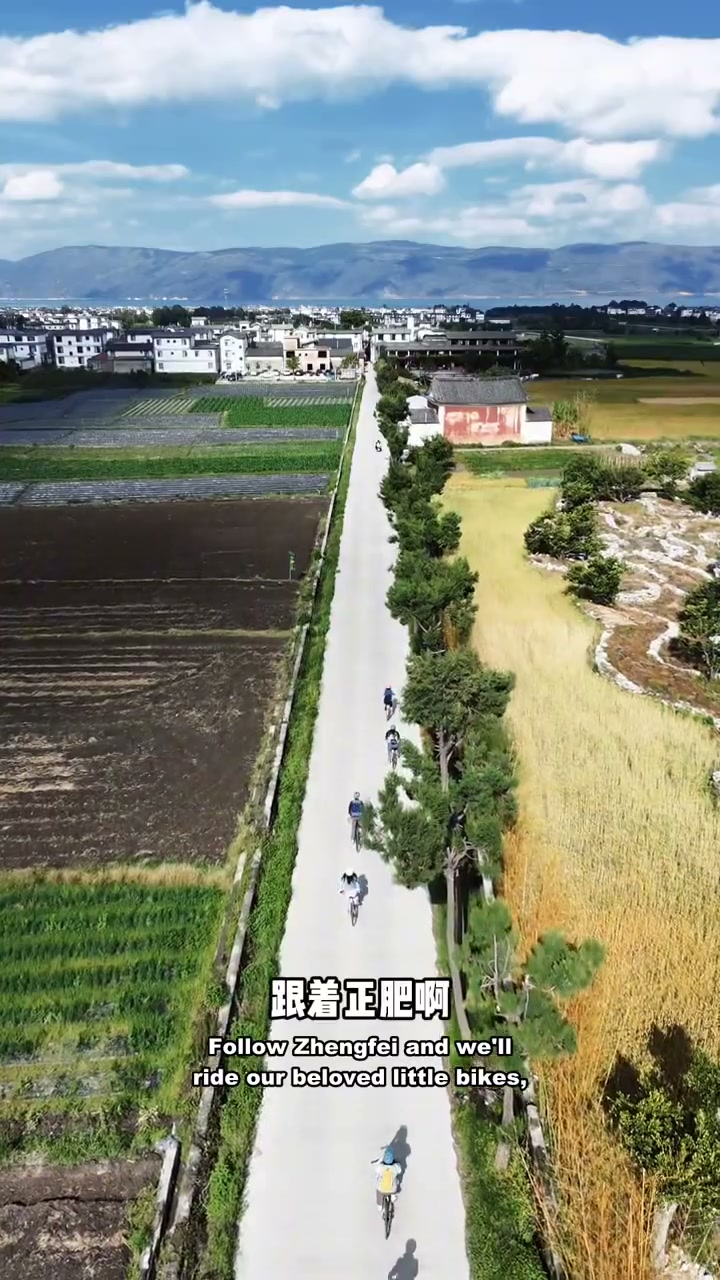
- Mountain, lake and fields: ride through Yinqiao, where longstanding Bai residents and newcomers live side by side. Buildings from three periods open unexpectedly onto fields, Cangshan and Erhai. In the afternoon, cross the countryside towards the lake.
- Courtyard surprises: visit restored old homes and discover how residents have made room for different lives.
- Open conversations: university professors, people who have lived abroad and former executives may join conversations about life choices, including possibilities that do not begin with financial freedom.
- Creative spaces: visits may include edible and herb gardens, natural-farming projects, a DJ's creative space or a chocolate laboratory. Hands-on experiences reveal the pleasure of making something.
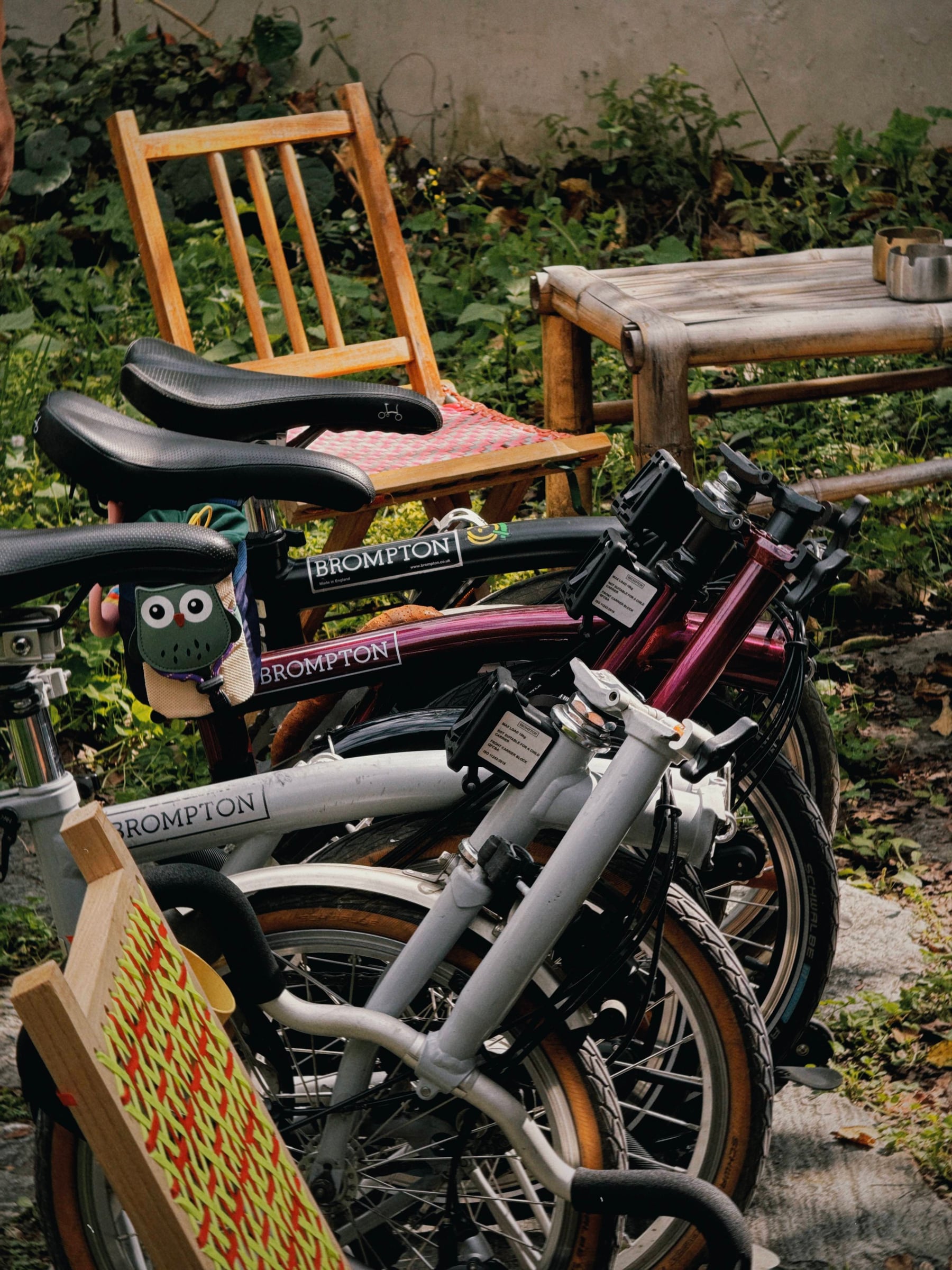
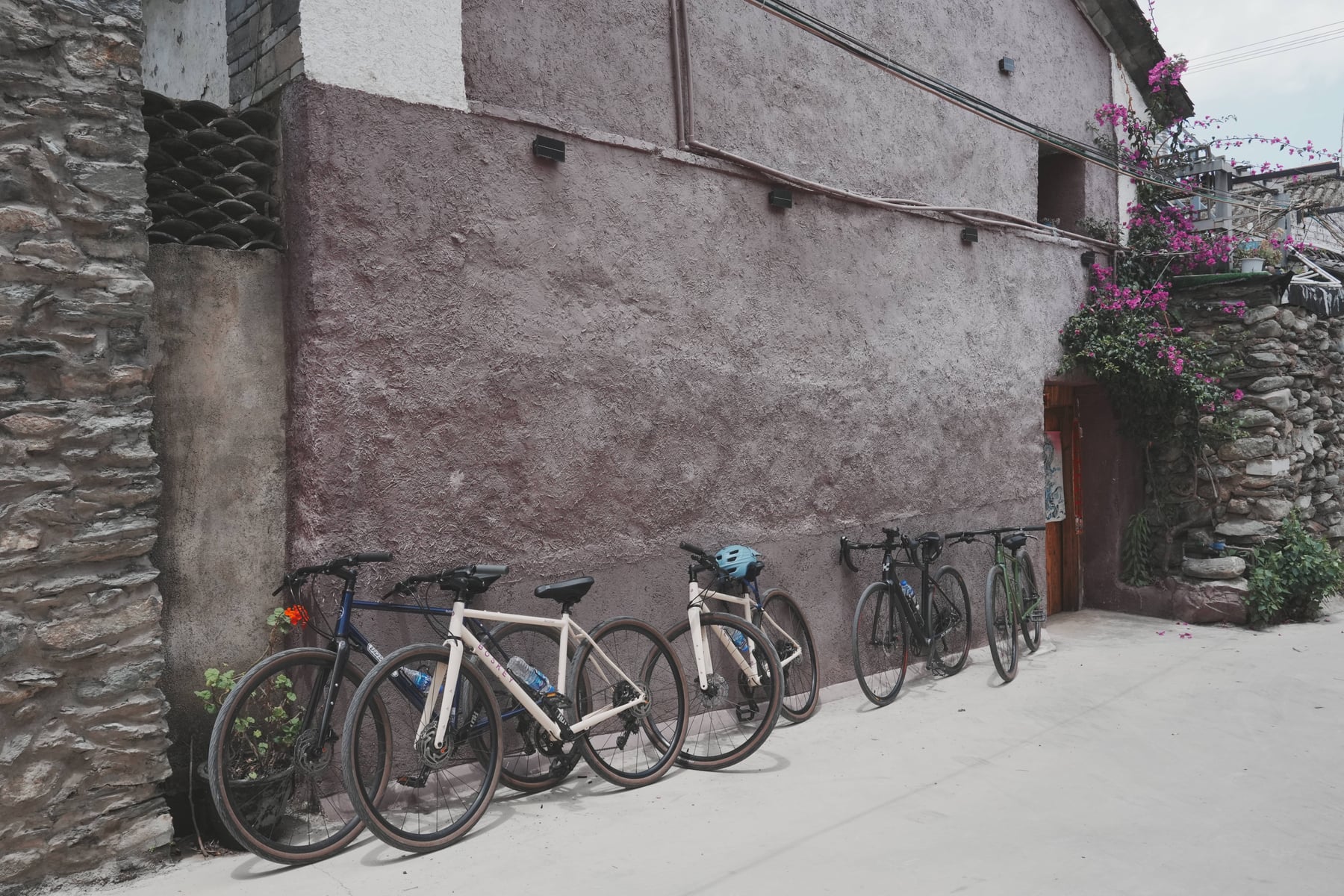
- Bikes and safety: adult bicycles are Boskey models with an average value above CNY 7,000. A Brompton upgrade, with bikes averaging CNY 25,000, costs an additional CNY 80. Children's equipment differs.
Guests often describe the ride as international because it includes conversations with residents from overseas. Courtyards, hosts, activities and time spent at each stop vary with the arrangements for each day.
The day
- 10:00: meet at the designated point.
- 10:00–10:30: get familiar with the bikes and practise safe riding.
- 10:30–12:30: explore Bai village architecture, customs and everyday life, stopping at distinctive courtyards.
- 12:30–13:30: local Bai lunch.
- 13:30–15:00: a home visit and activity exploring creativity and life between Dali and the city.
- 15:30–16:30: ride across farmland and beside Erhai.
- 16:30–17:30: another home visit and tasting experience exploring a chosen way of life.
Total cycling distance: approximately 15 km.
Inclusions and booking
Included: outdoor insurance, guiding and interpretation, bike hire and helmet, lunch, afternoon tea, basic first-aid supplies, home visits and interactive experiences.
Meet at the local farmhouse beside Xianzai Jie Chunqiu retreat (闲在解春秋疗愈隐宿). Minimum group: two guests.
Children under eight can join a parent using a child seat. Riders aged 8–13 need actual on-road cycling experience and a guardian joining the activity. Riders aged 14–65 should have cycling experience.
A closer look at a day's ride
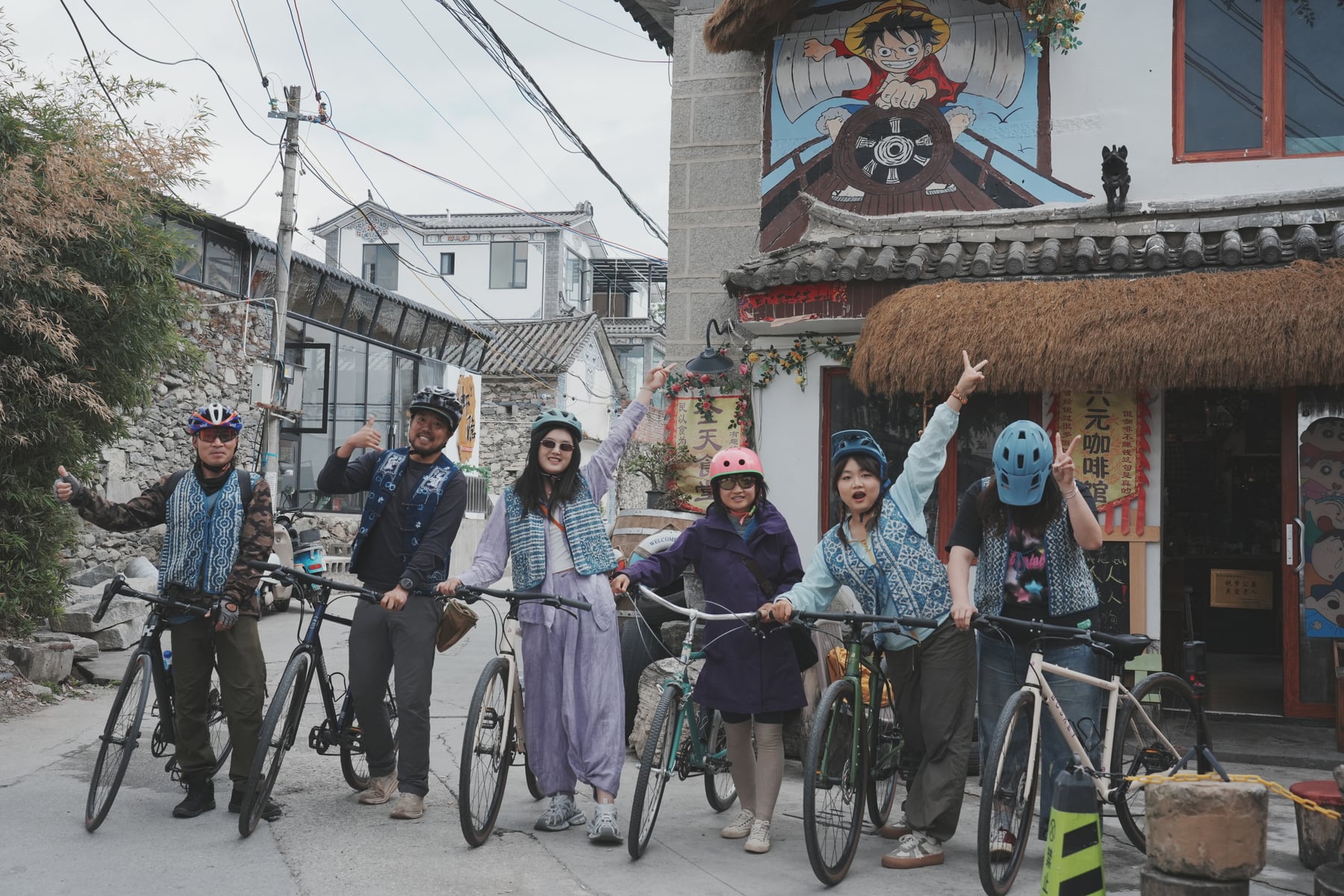
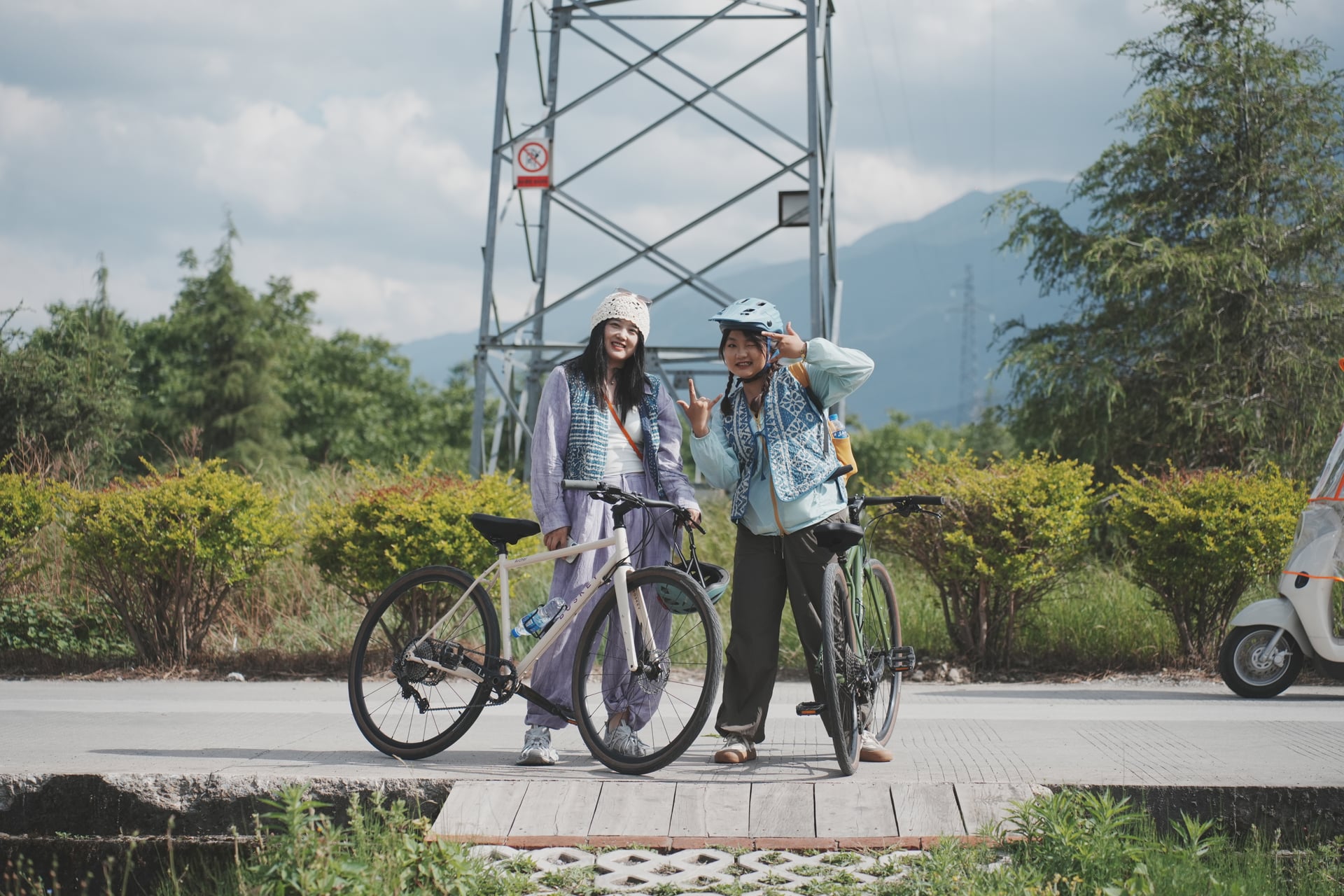
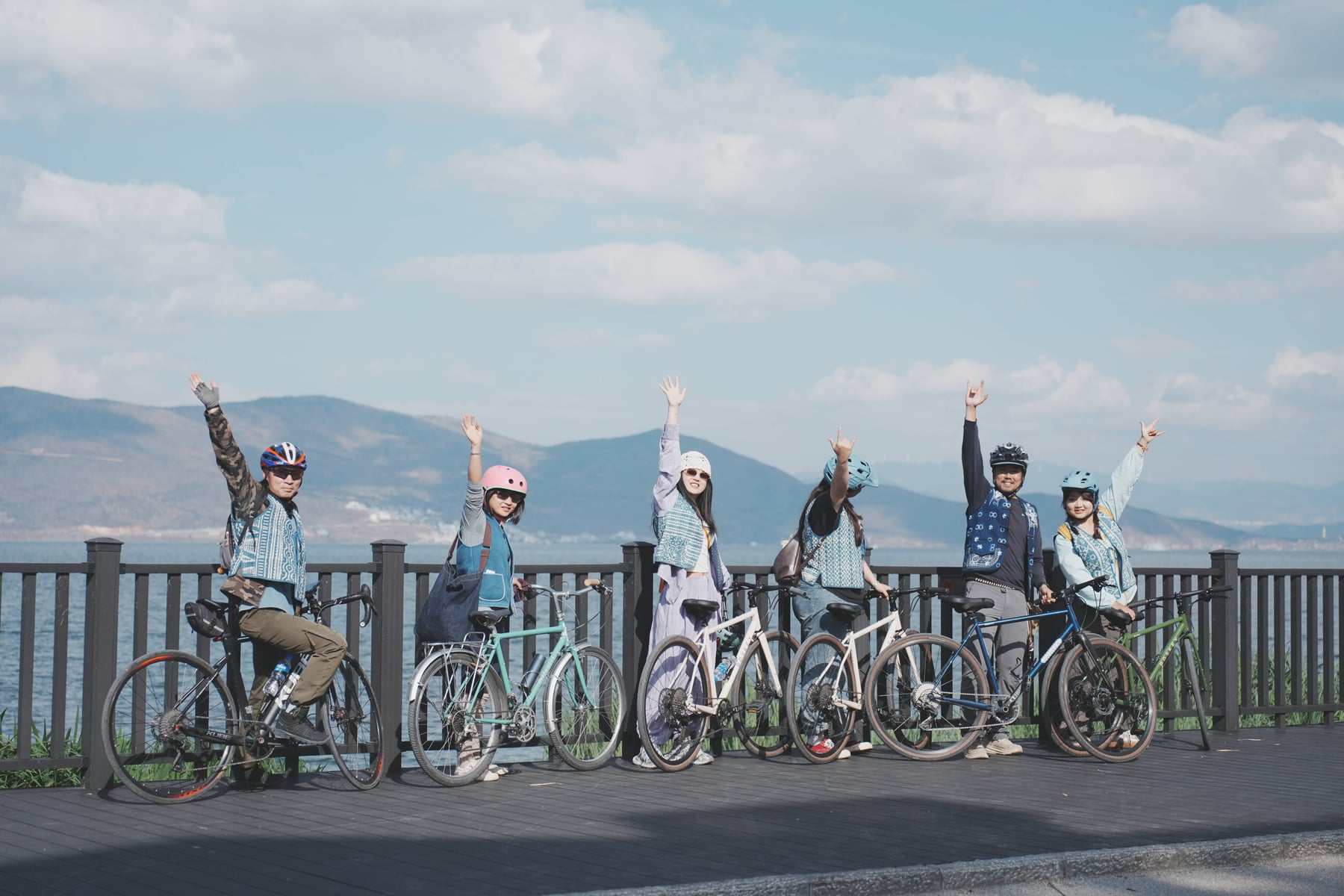
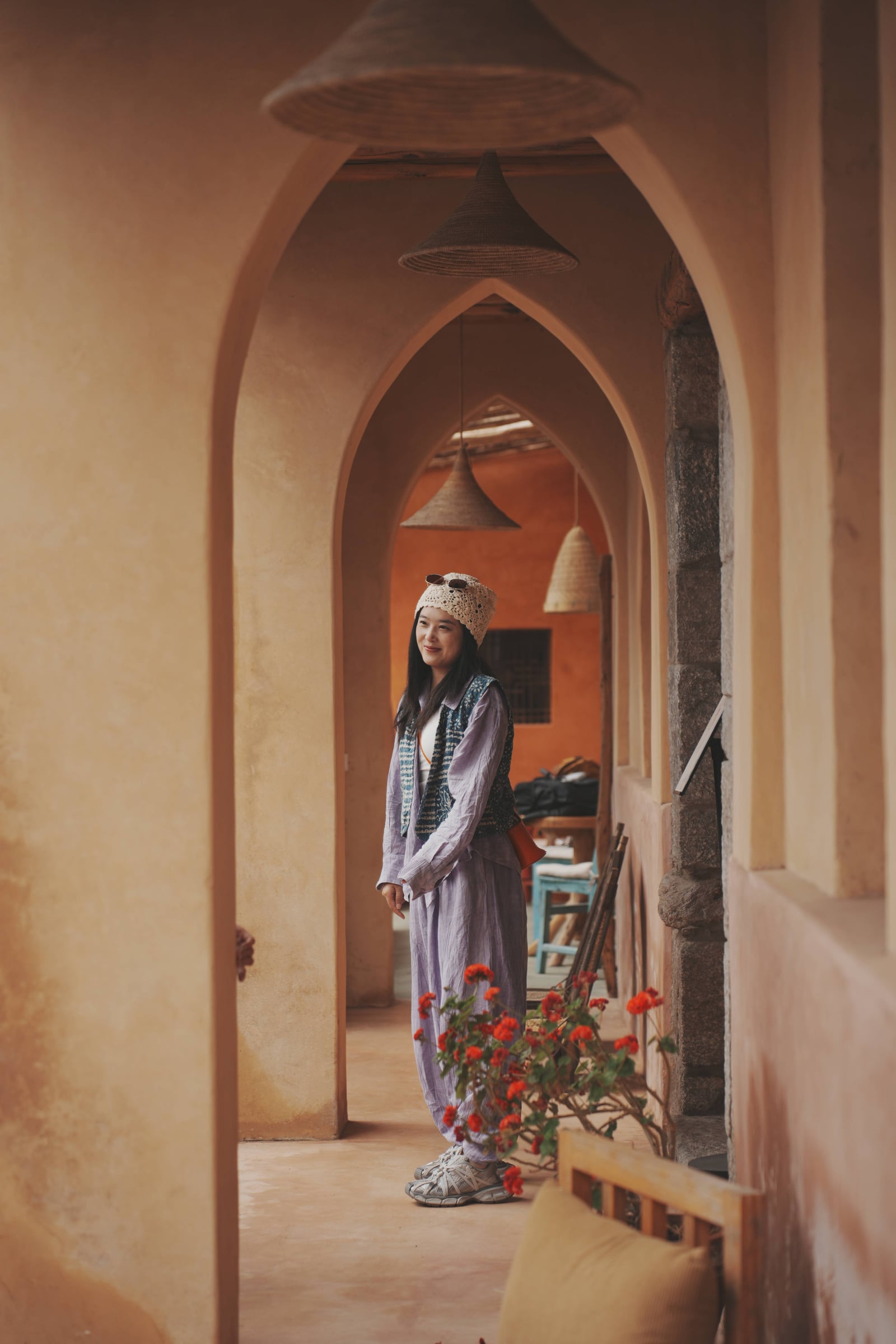
There is more to Dali than well-known photo stops. The ride begins with Bai-style waistcoats and a safety briefing, giving the day a sense of occasion while explaining how the group rides safely.
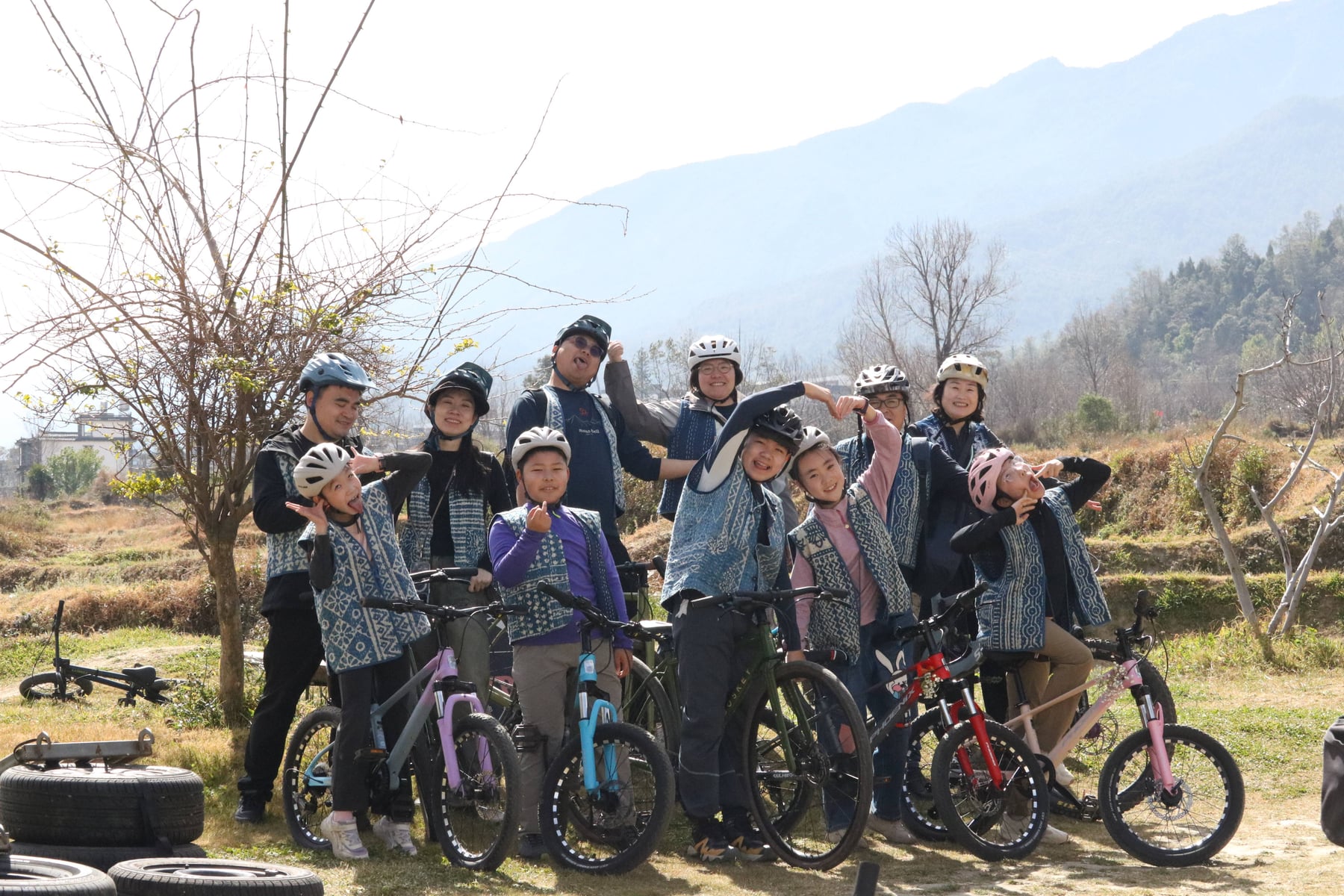
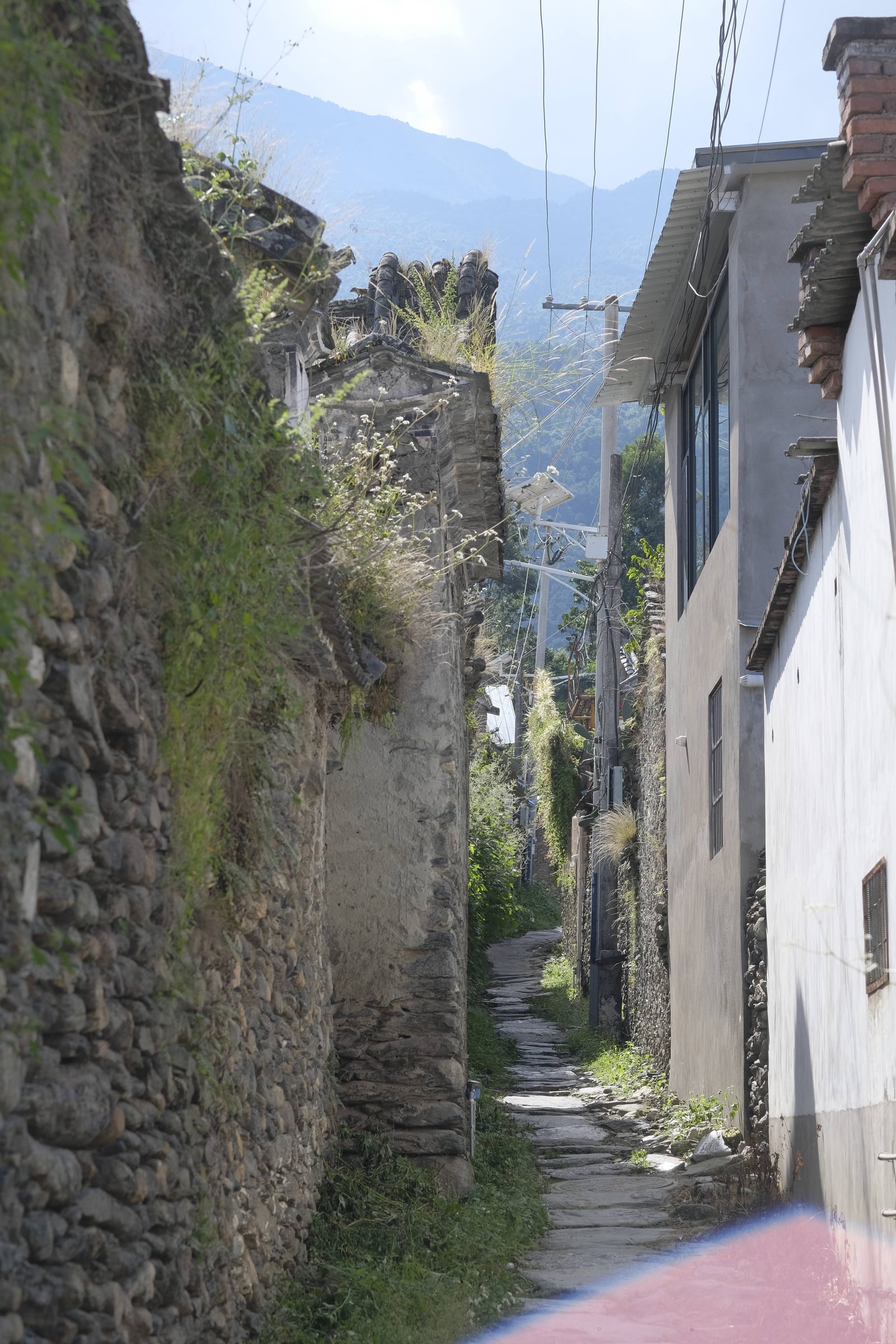
We start in a Bai village below Cangshan, hearing local stories along the way. Stone houses, later rammed-earth buildings and modern brick-and-concrete homes belong to three periods. Their materials have changed, while many architectural features remain.
Suddenly the view opens towards Cangshan and Erhai. Most riding is level or downhill; short climbs can be walked with the bike, generally for only a hundred metres or so at a time.
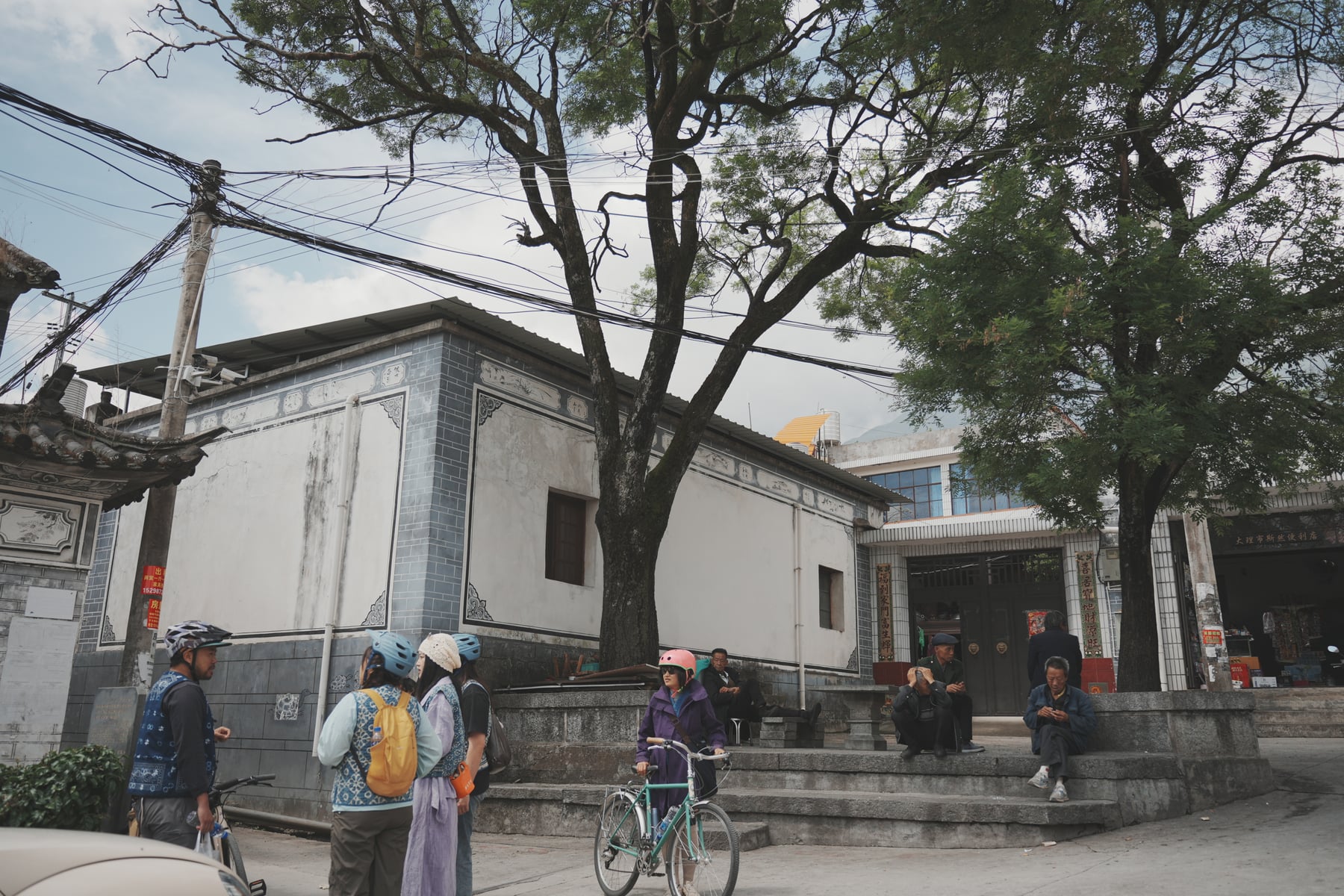
We visit an old Bai courtyard with the four-sided, five-courtyard layout once associated with prosperous gentry, then homes adapted by overseas residents and newer arrivals. Mediterranean influences, Japanese wabi-sabi and careful restoration show different approaches to space. The courtyards can make city living feel rather confined.
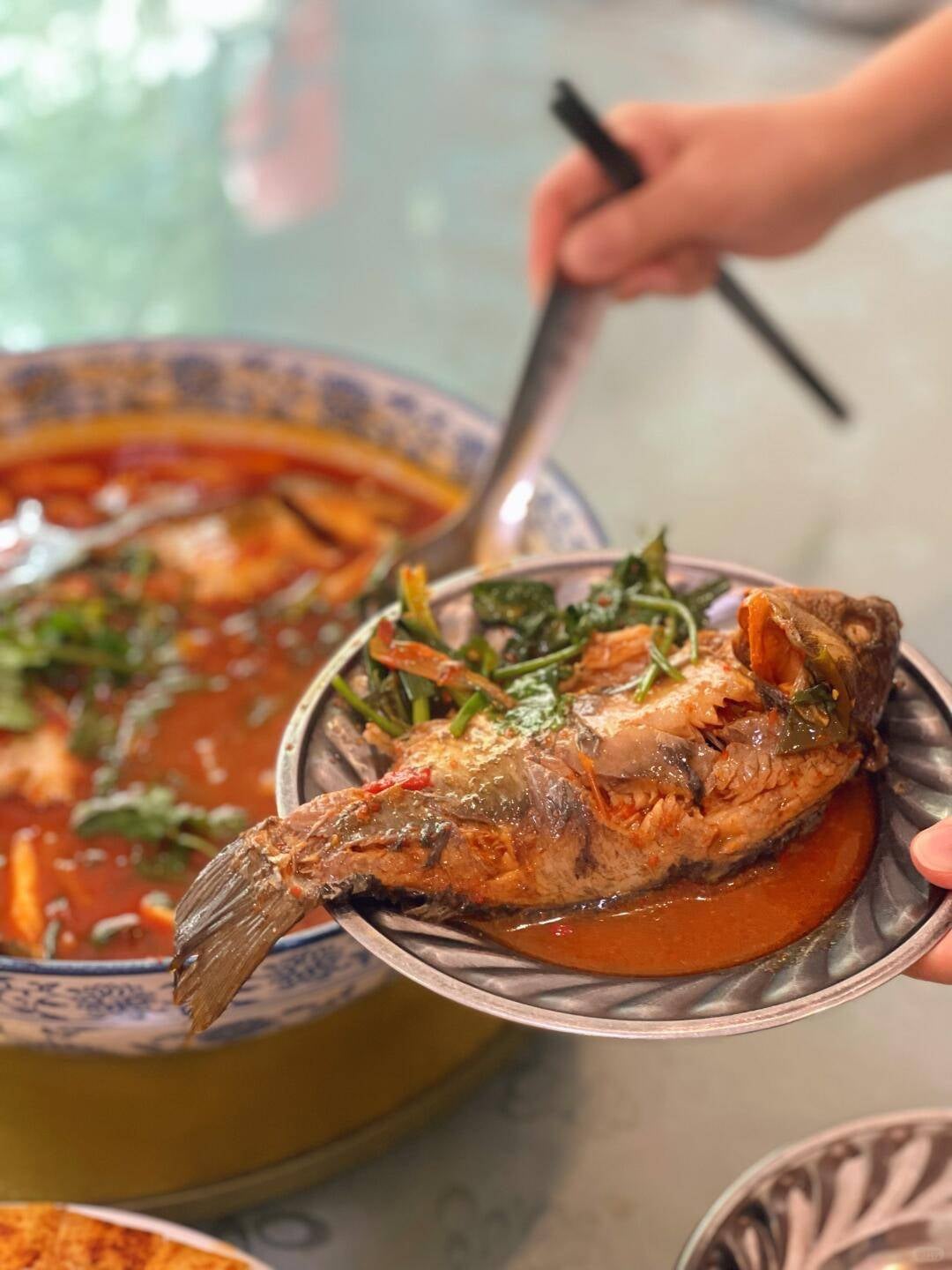
Lunch is at an unassuming roadside restaurant, with local flavours and an owner who is happy to take the lead in the conversation.
After a short uphill stretch, we reach another old courtyard. A former chicken enclosure is now a garden: its owner spent four years turning a space of over 100 square metres into a small world of edible plants and herbs.
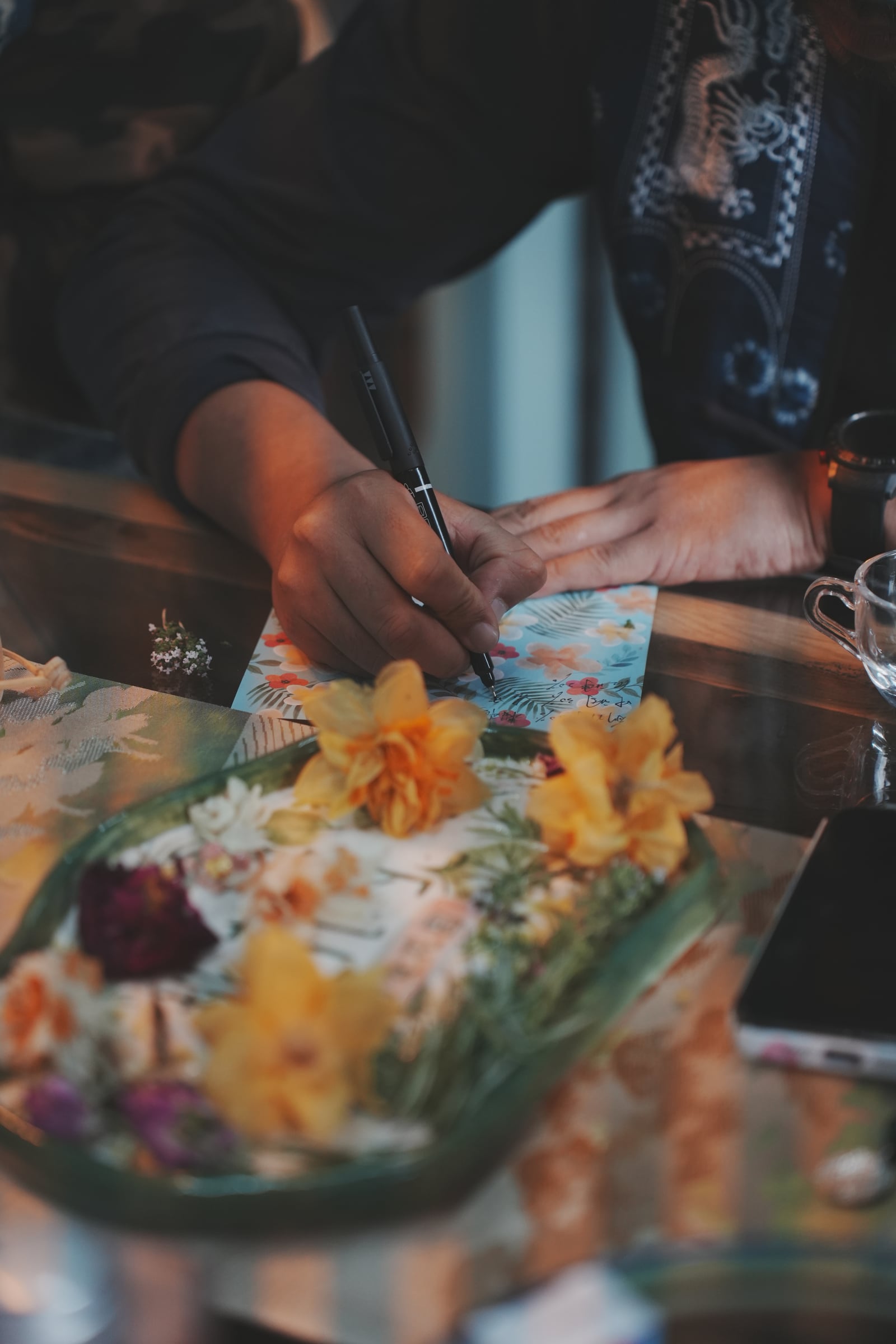
On this visit, we made perfume from herbs and talked with the owner about living between two places and the value of doing things without an immediate practical return. Your guide explains that home visits change with the guests and hosts available, so each day brings different discoveries.
A long descent takes us through fields and Bai villages to Erhai, where almost every bend tempts another photograph. The next stop on this visit is a Canadian resident's home, for an unexpected introduction to cacao.
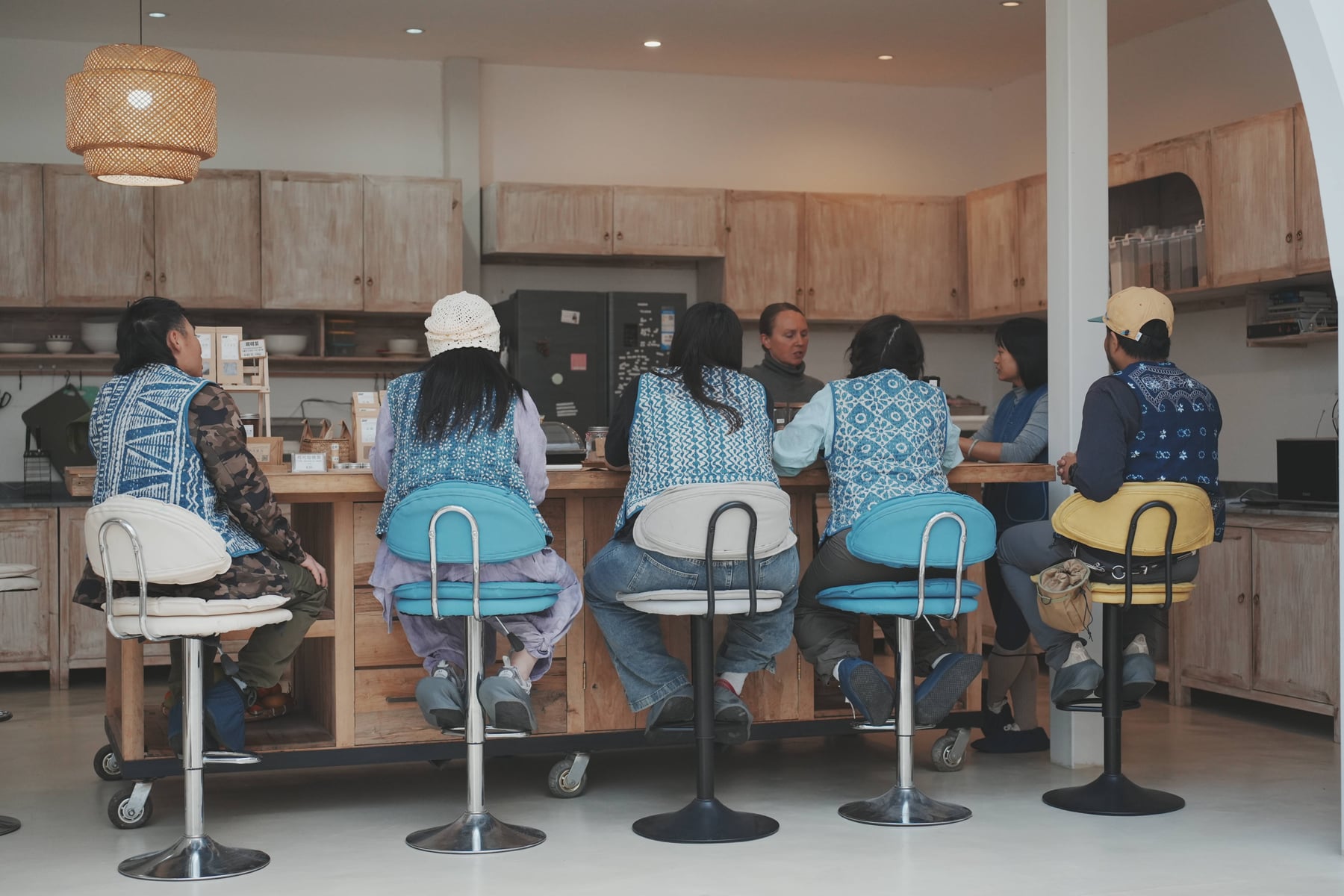
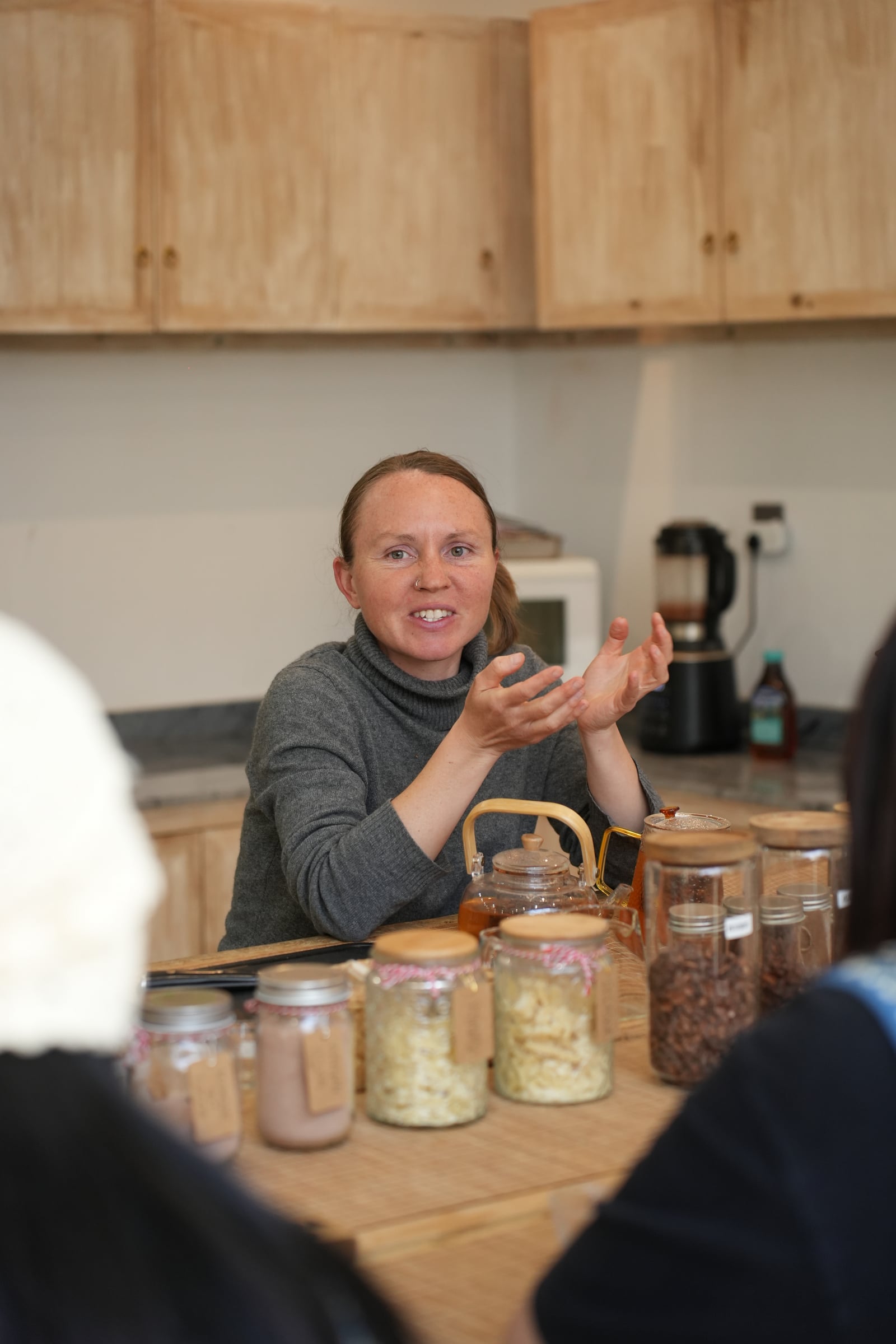
We taste cacao beans from Ecuador, Hainan and Yunnan, cacao-husk tea, and a South American drink combining cacao, maize flour and chilli, described by our host as part of a tradition reaching back 5,000 years. Its aroma and warming spice are a memorable combination.
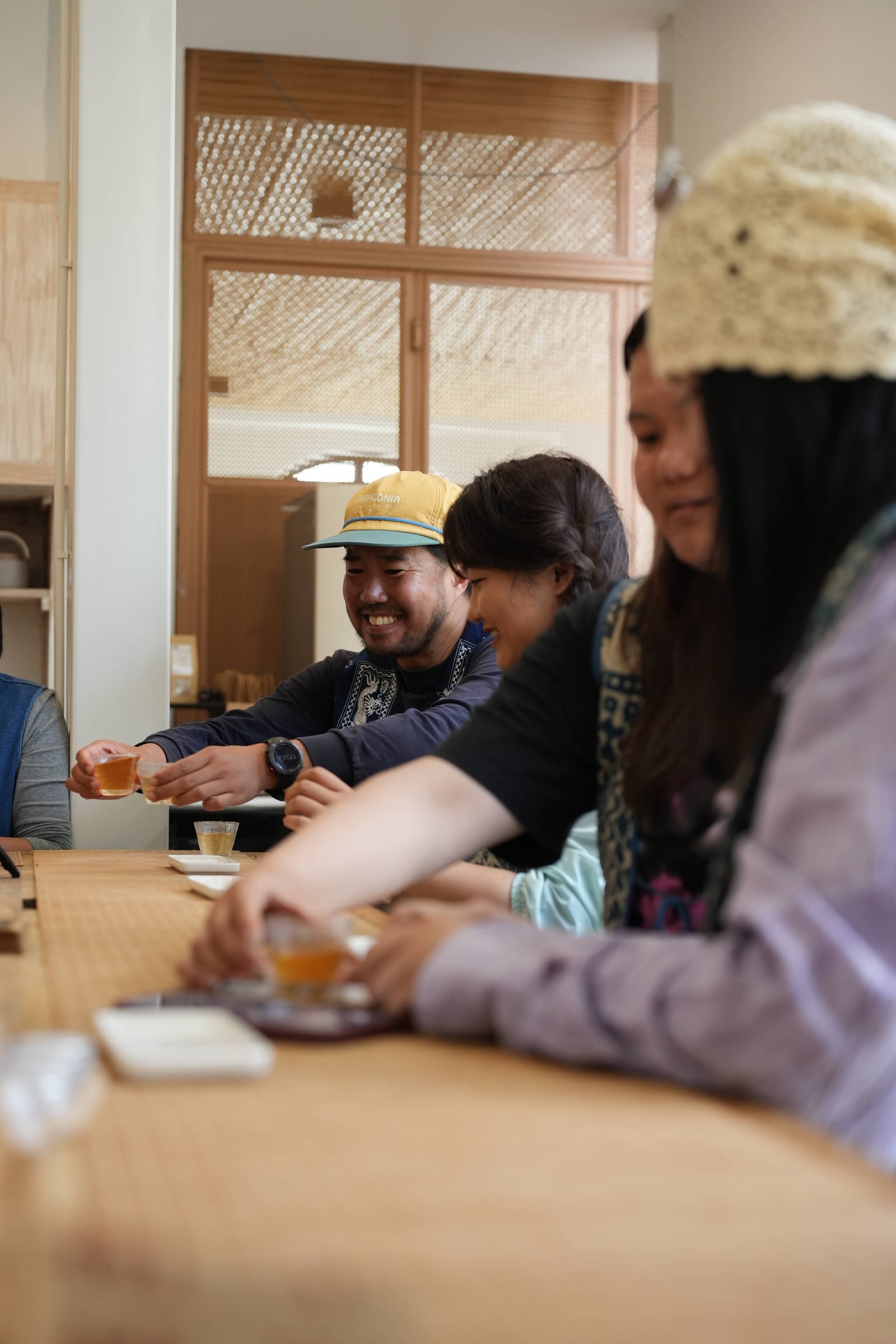
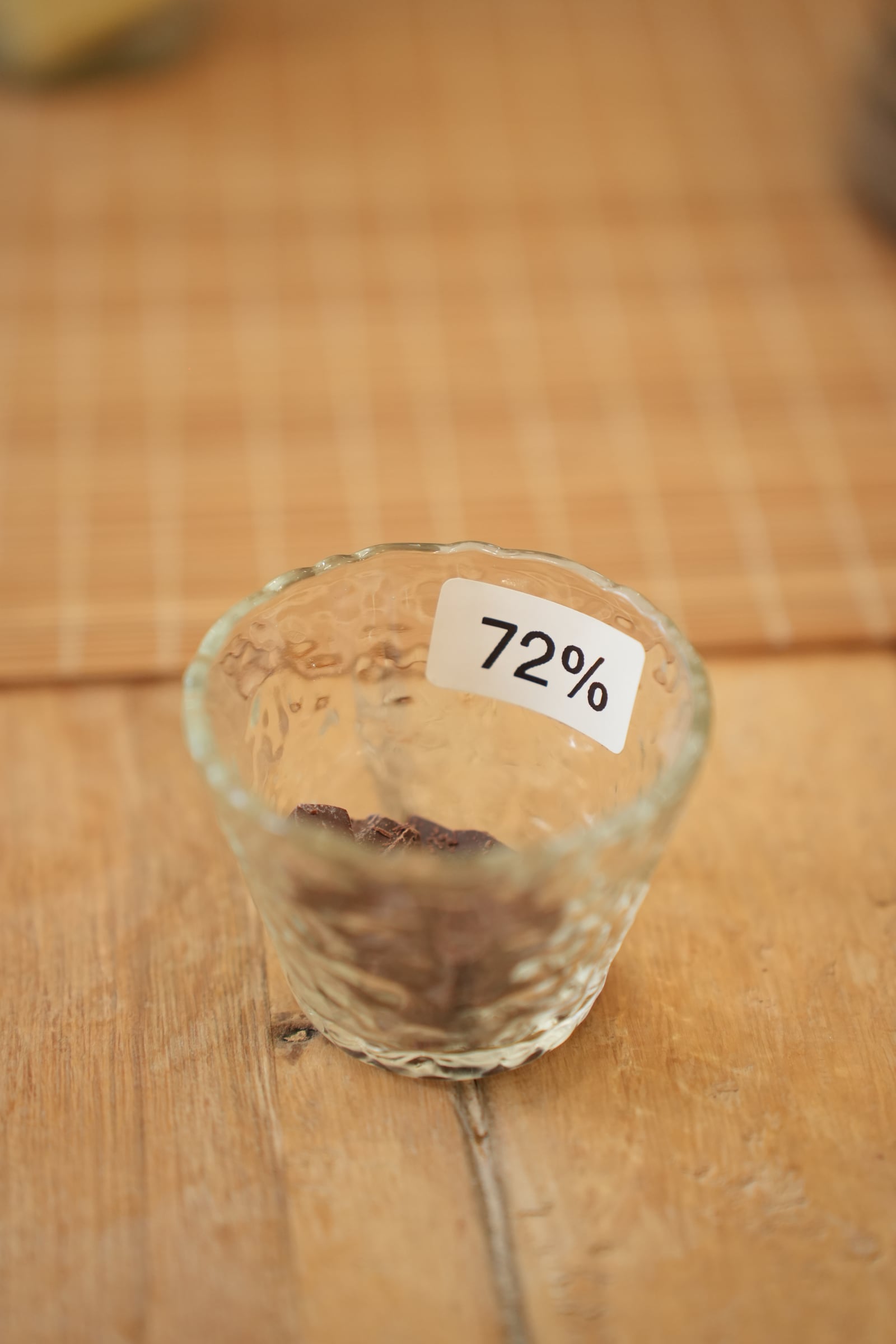
Then come chocolates from different origins and with different cacao percentages. Conversation moves from sweet and bitter flavours to sustainability and the personal changes involved in moving to Dali.
The day finishes almost without our noticing. Perfume and cacao flavours come home with us, along with a clearer idea of how new lives can take shape. The people met on this visit had worked steadily to create their choices. Their projects in the villages supported a way of living, with work and life closely connected rather than driven solely by immediate financial returns.