An afternoon that ends among the stars
Check the guide's availability with us before booking. Visit an observatory, an astronomy enthusiasts' base and a village, tracing the journey from sundials to modern observation. Learn the basics of stargazing, then use the equipment to look for stars, planets, nebulae and clusters. Sunset over Jade Dragon Snow Mountain is another highlight, subject to conditions.
One session runs each day from 14:00 to 22:00, approximately eight hours.
The programme
- Depart from Lijiang, with views towards Jade Dragon Snow Mountain along the way.
- Visit the astronomy base for an introduction to astronomy and equipment.
- Explore village murals about the history of space exploration.
- Visit the Chinese Academy of Sciences observatory and its large general-purpose telescope.
- Learn the basics of observing the night sky.
- Try observing through the equipment, then return to Lijiang.
Inclusions and preparation
Return transport, dinner, afternoon tea, a specialist guide and interpretation, insurance, shared supplies and stargazing equipment are included.
Nights are cold. Bring a thick down jacket, warm windproof hat and scarf; hand warmers may help. Bring daytime sun protection, tissues, wet wipes and a power bank as needed. Leave valuables behind.
The site is at approximately 3,200 metres. Discuss altitude concerns before booking; the original preparation list suggests bringing personal oxygen if needed.
Meet in central Lijiang or arrange to drive to the site; confirm details with our team. Minimum group: 2 guests. Ages: 3–65. Under-18s need a guardian, and guests over 60 a companion. Participants must be independently mobile and meet the organiser's health requirements, including no acute illness or serious cardiovascular or cerebrovascular disease, hypertension or epilepsy. Discuss relevant conditions before booking.
What we found on our first visit
Lijiang has facilities for astronomy and space observation, including telescopes operated by Chinese and international institutions.
When we first heard about the area's stargazing, we went to see it for ourselves. The road already offered a memorable view: Jade Dragon's peaks almost level with our eyes.

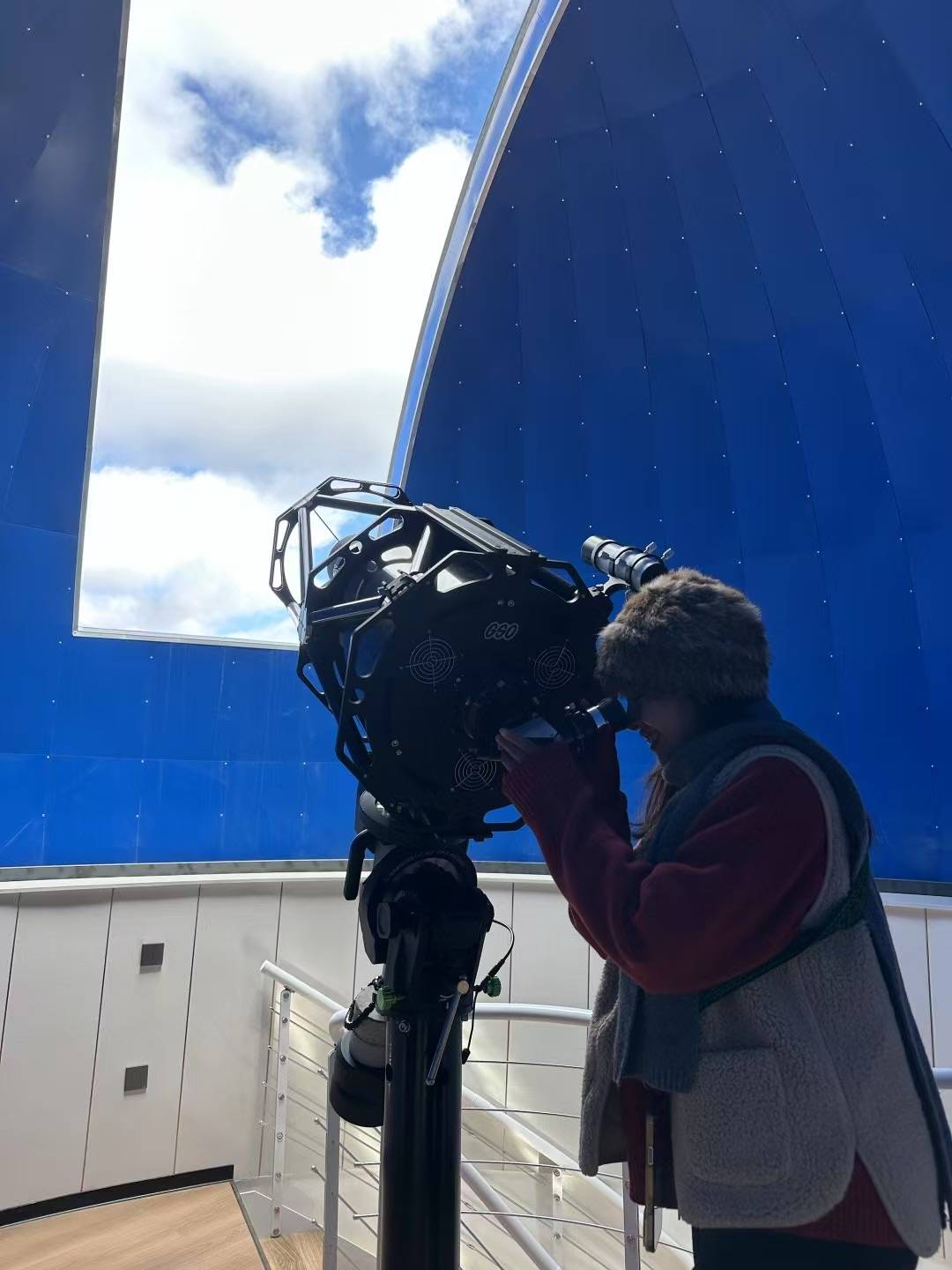
At the enthusiasts' base, an apparently ordinary guest building has a surprise upstairs: a telescope beneath a rotating dome.
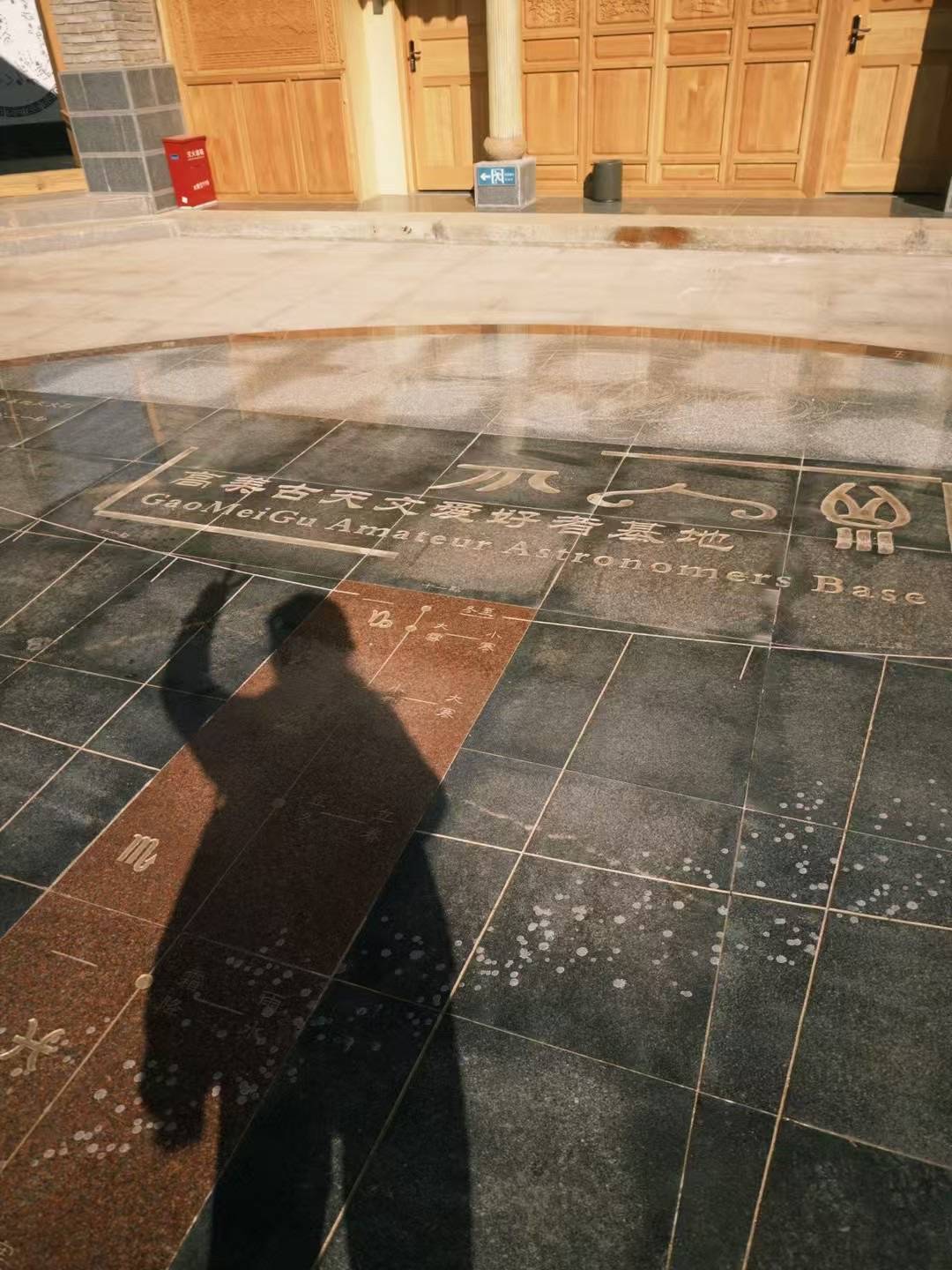
The base serves astronomy visitors while supporting local village development. Small details invite questions, including a sundial. Our guide uses it to discuss early timekeeping and ideas about the centre in Chinese history.
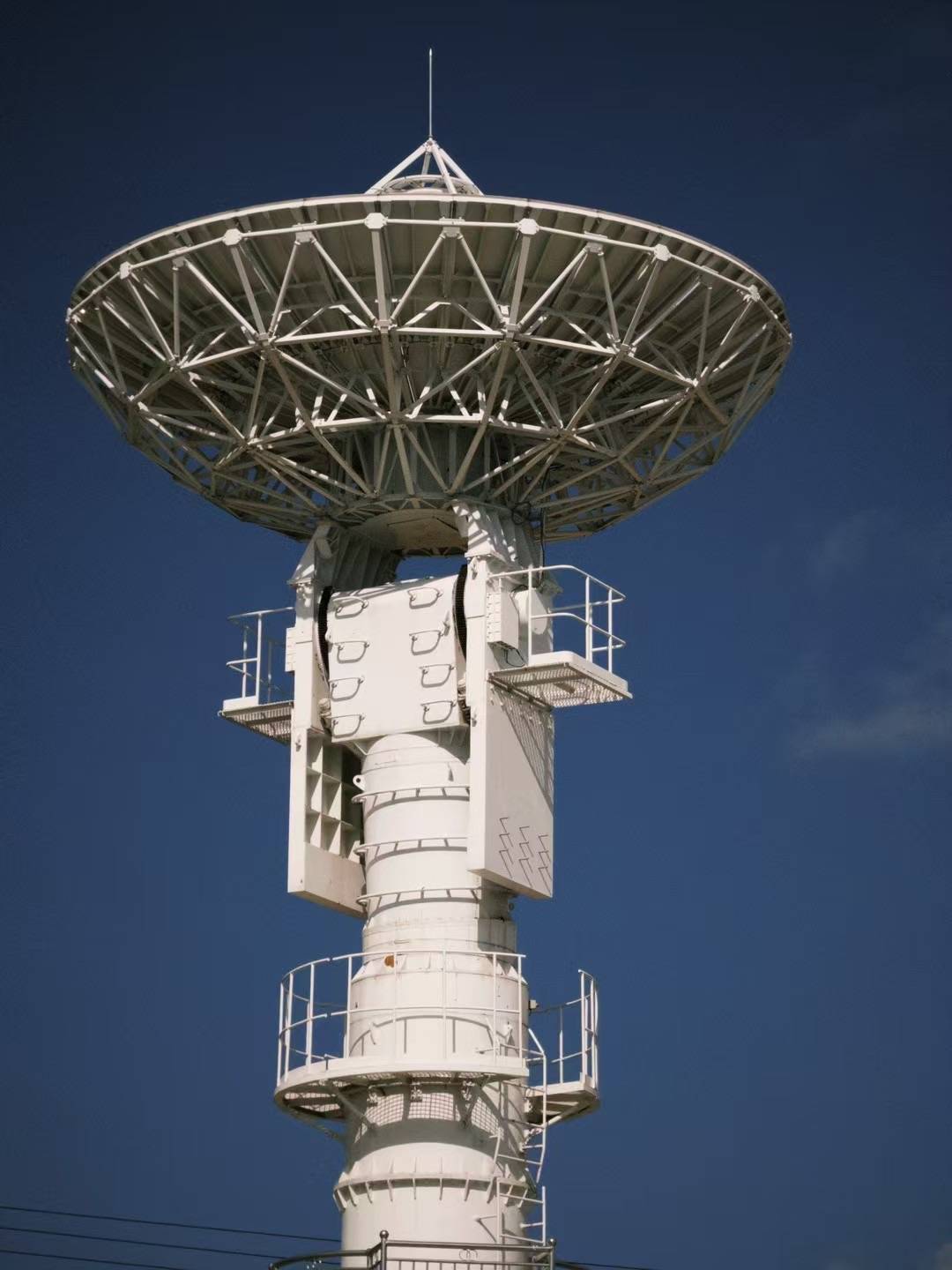
Next comes the Lijiang observing station of Yunnan Observatories, Chinese Academy of Sciences. A large dish may move as it tracks a satellite; it is an antenna that adjusts its position for communication.
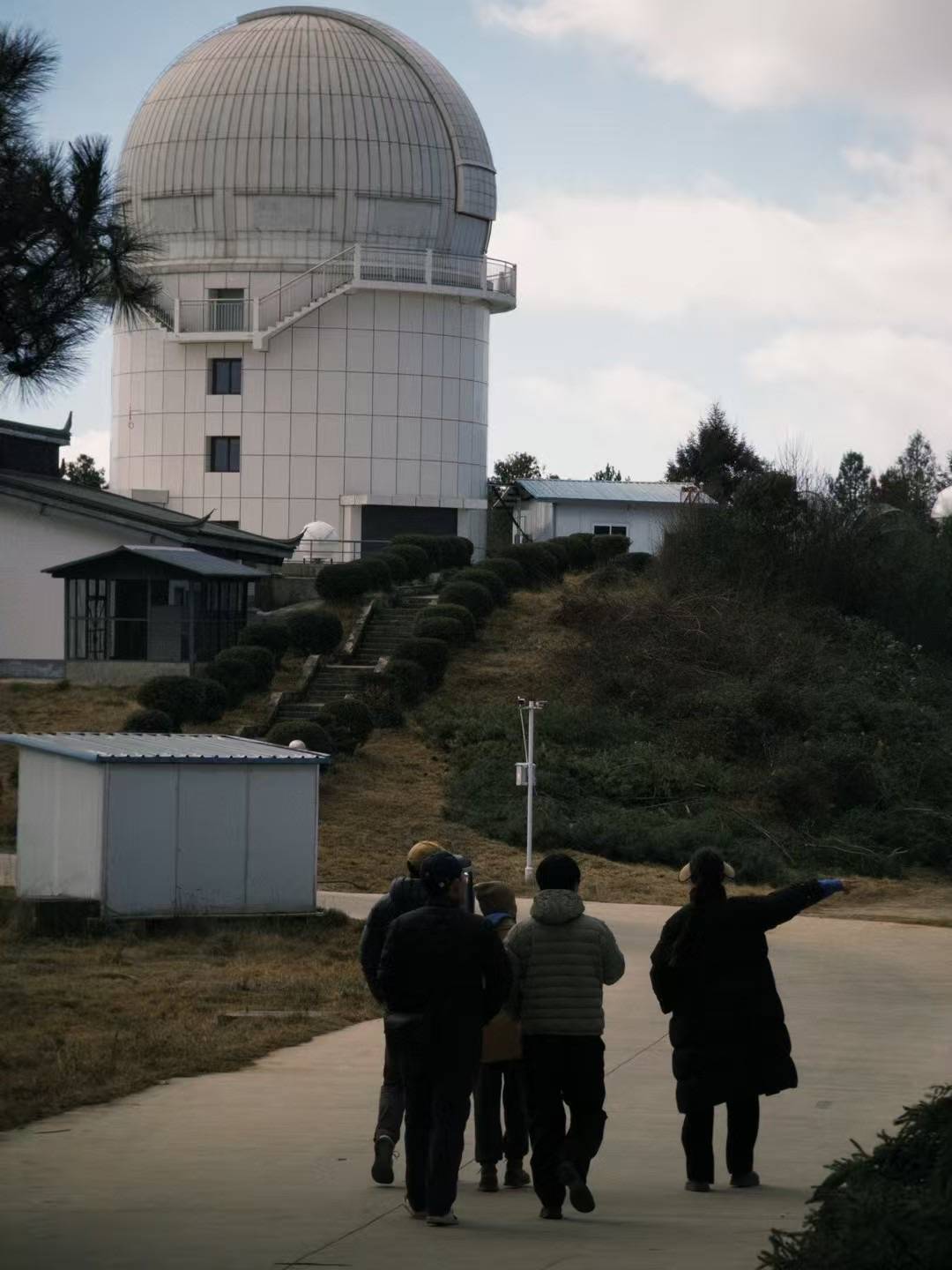
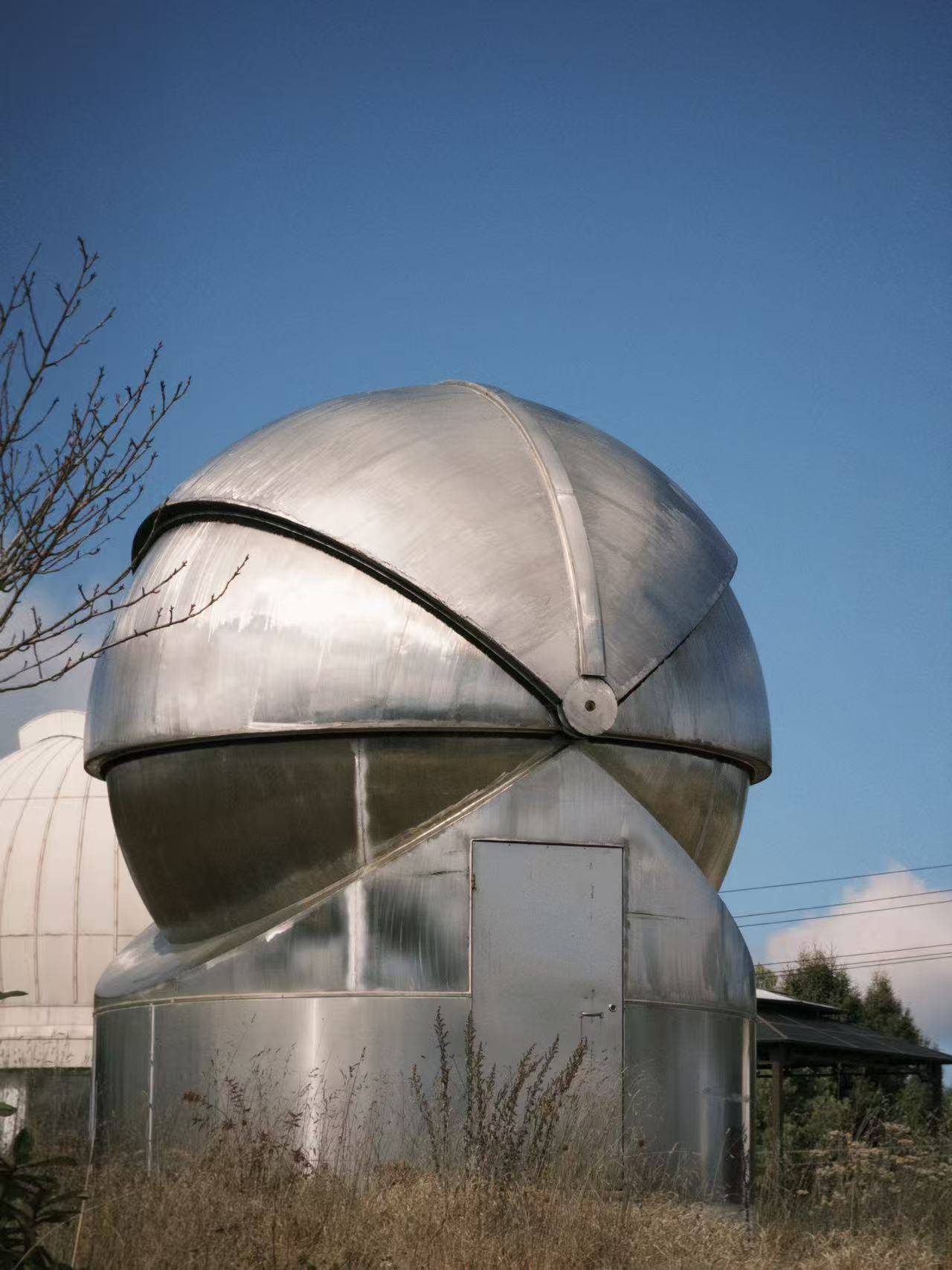
The smaller domes across the site house telescopes operated by different countries and regions. Researchers can observe remotely rather than travel here themselves.
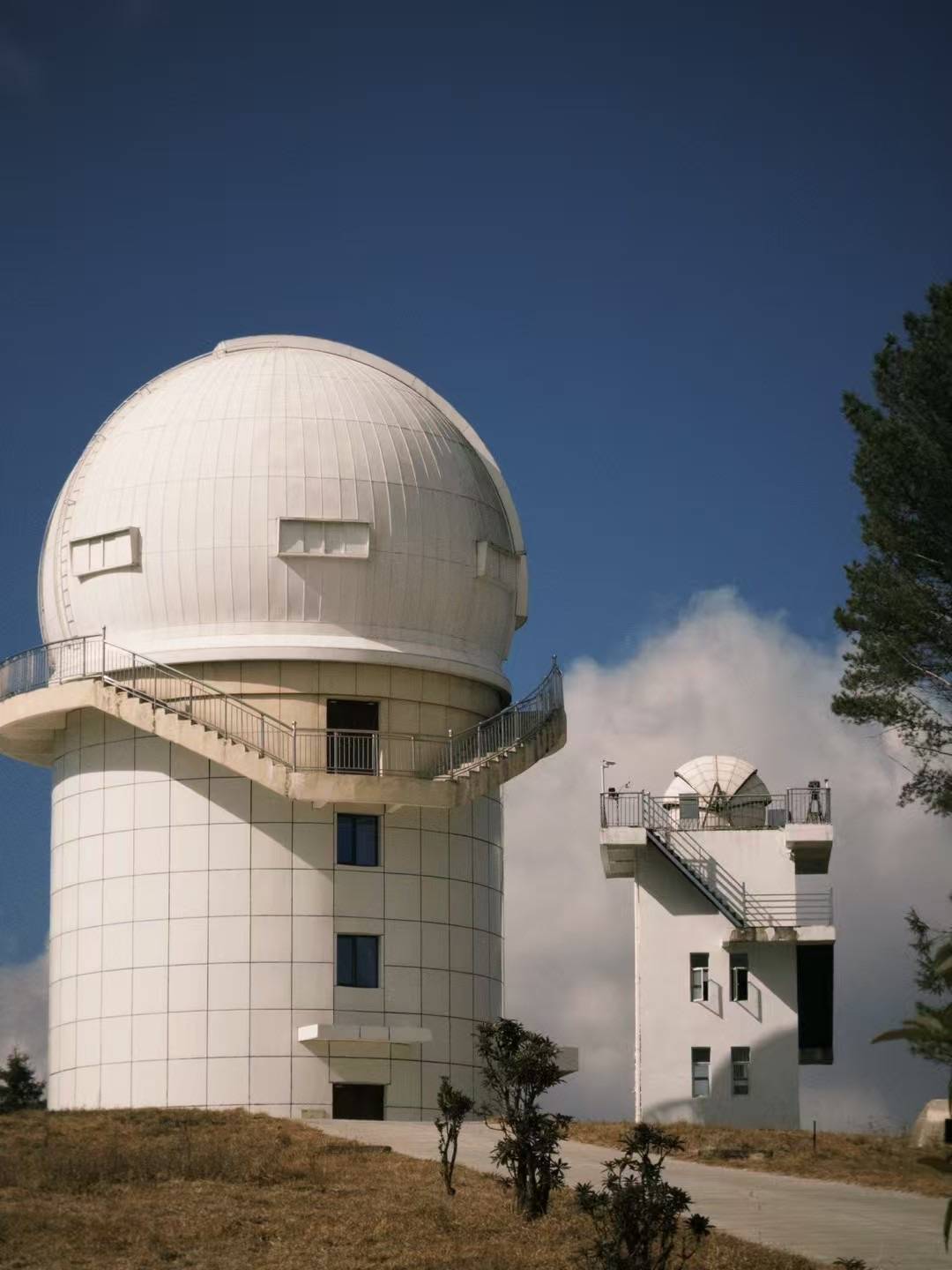
Each instrument has a story. One is connected with a Thai royal gift; another forms part of a global network watching gamma-ray bursts and other transient events, with automatic telescopes distributed across five continents.
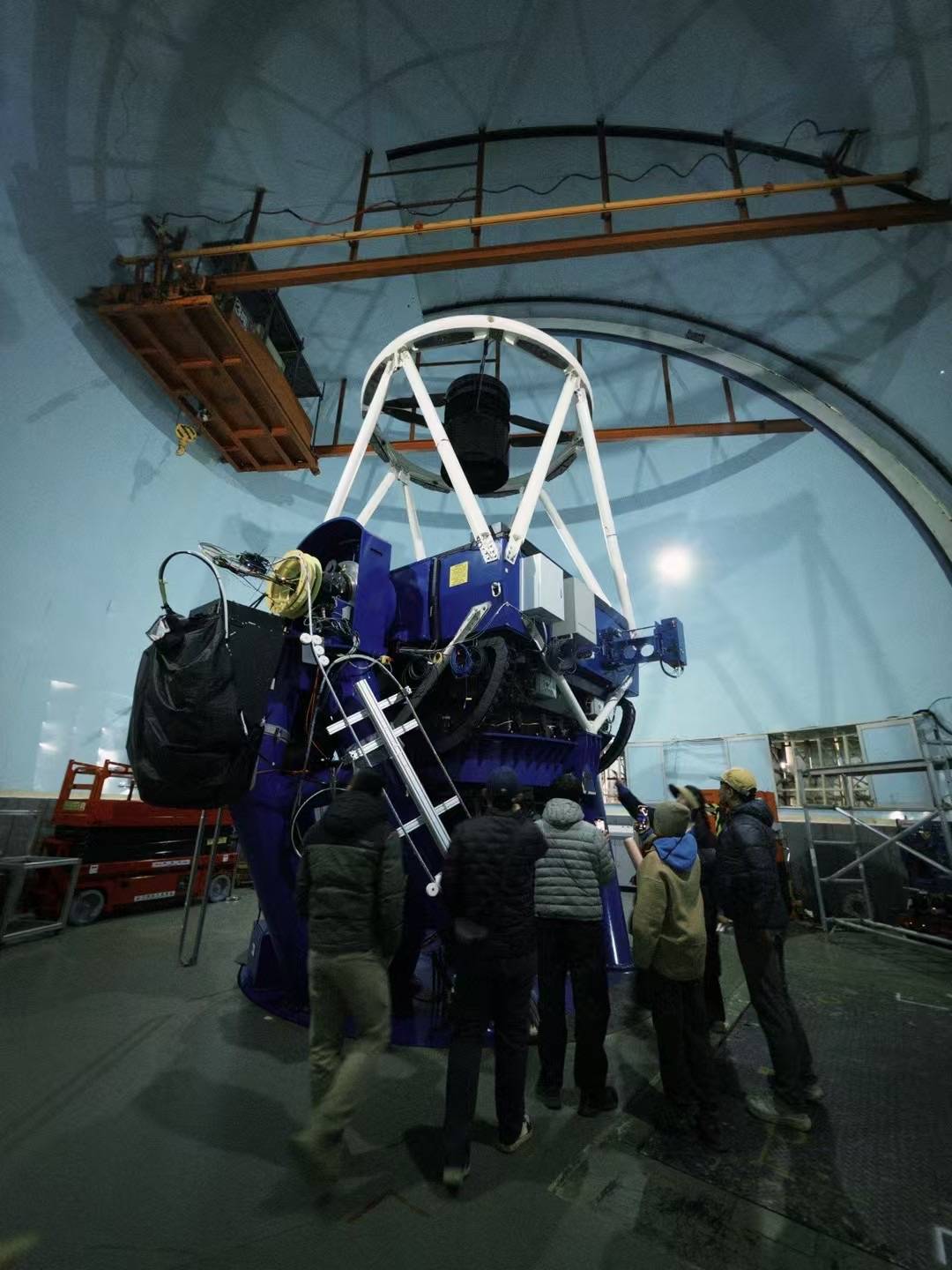
The 2.4-metre optical telescope is an imposing sight. Its operation includes facilities for liquid nitrogen and mirror coating.
Towards evening, the focus shifts from instruments to the sky. Watch sunset colour on Jade Dragon Snow Mountain when conditions allow, while the specialist introduces observing techniques and equipment.
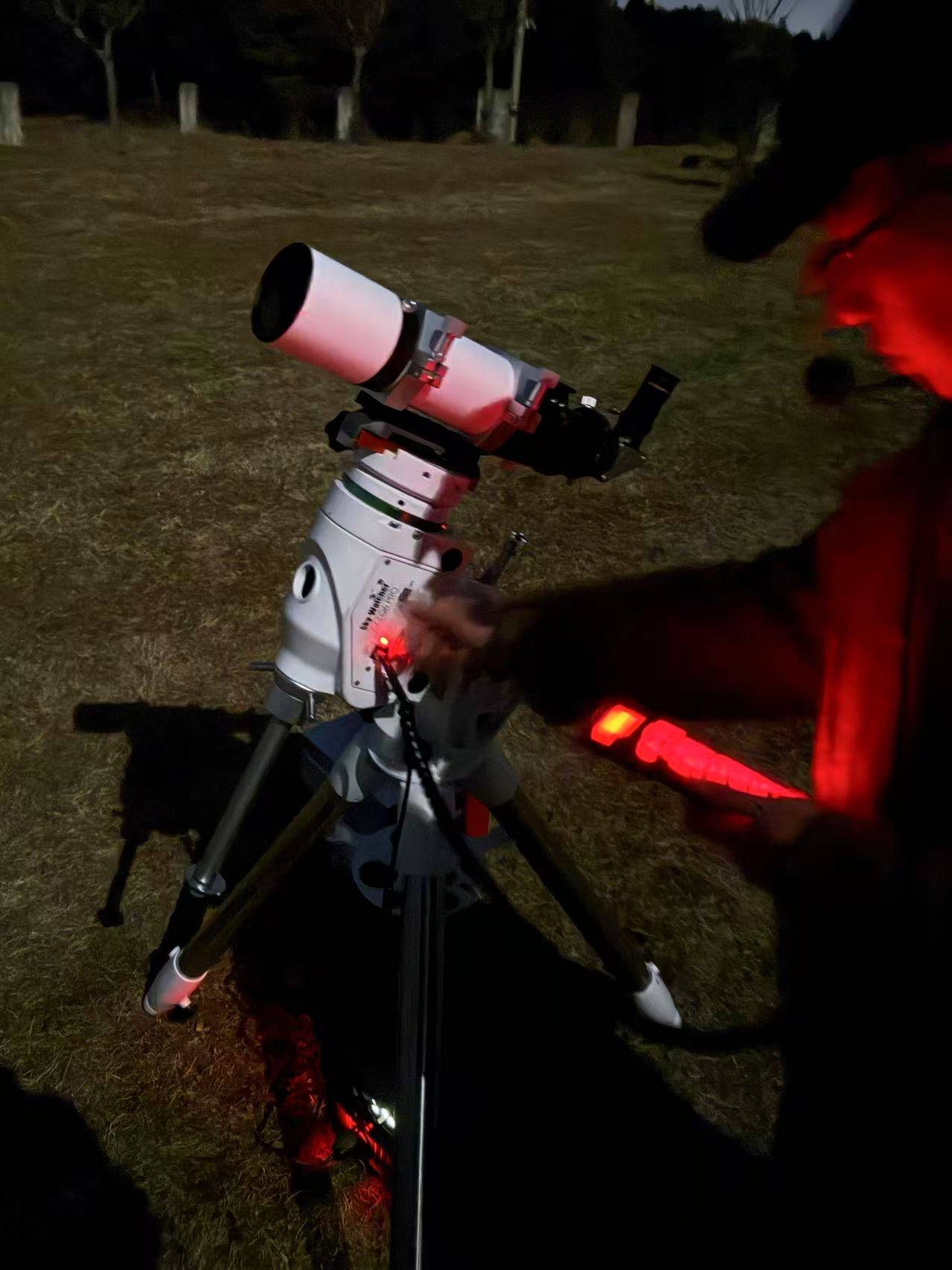
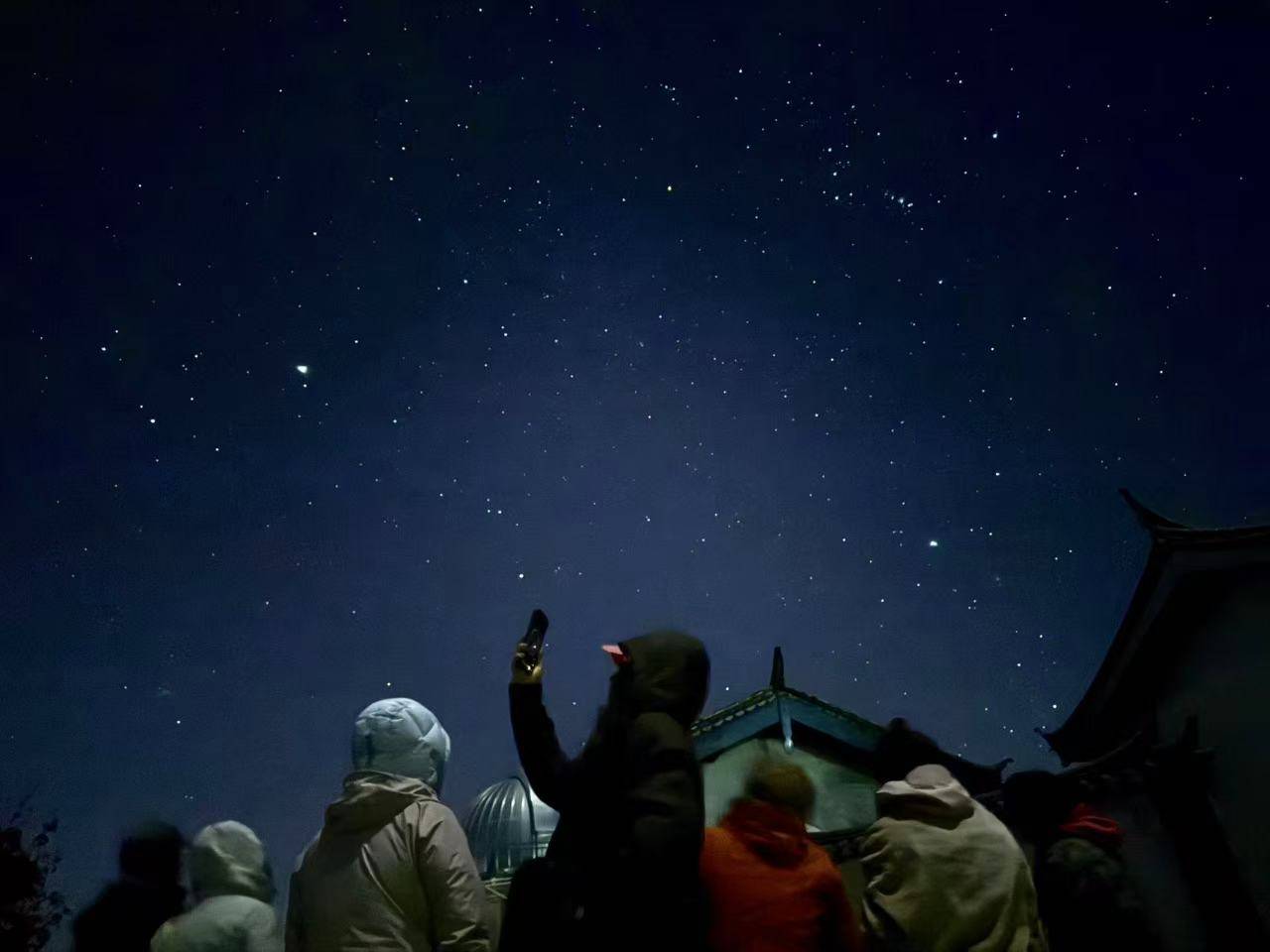
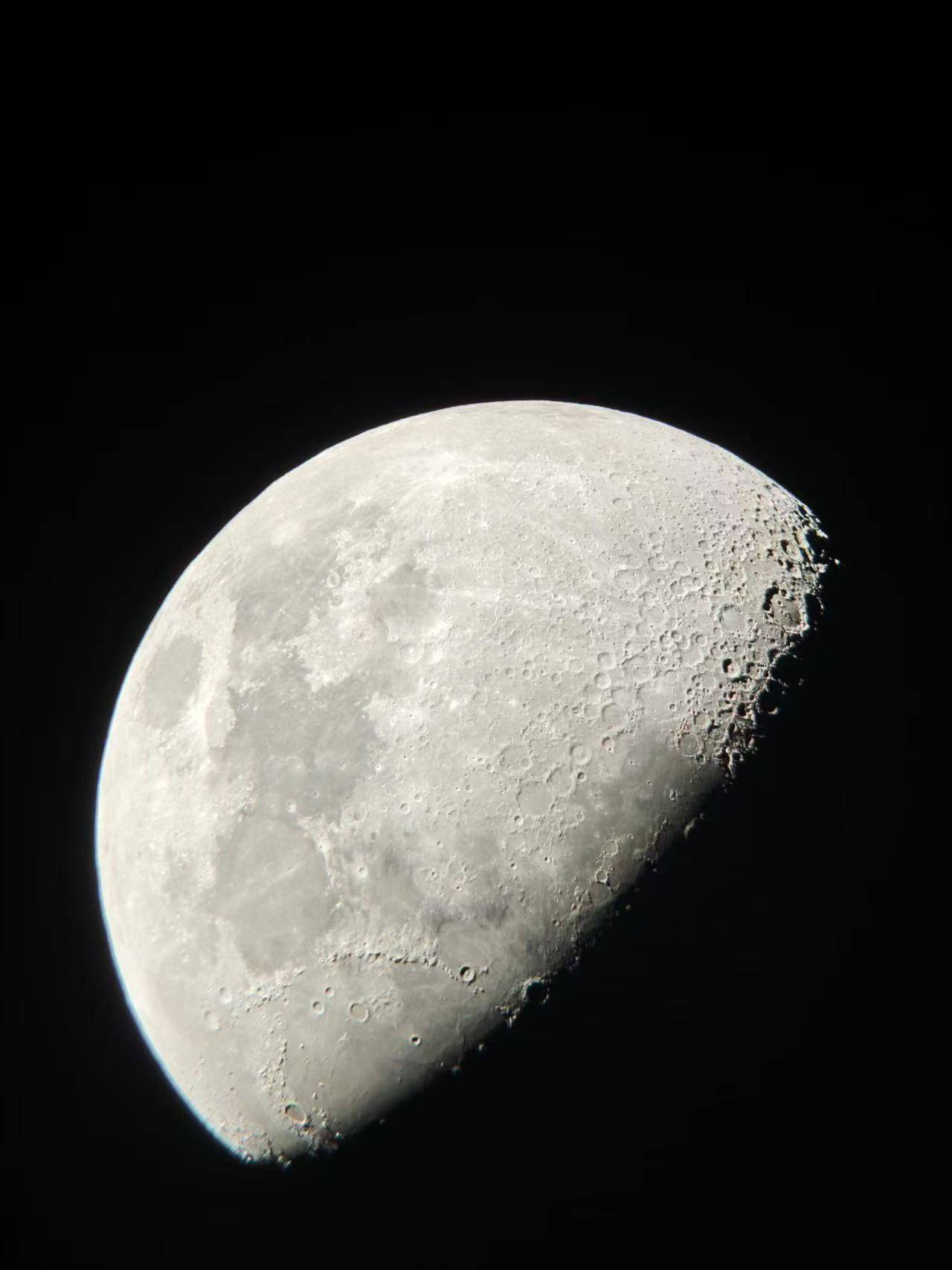
As darkness settles, objects familiar from a screen become things we can look for ourselves. On our visit, Venus appeared low in the western sky. What is visible on your date depends on the sky and observing conditions.
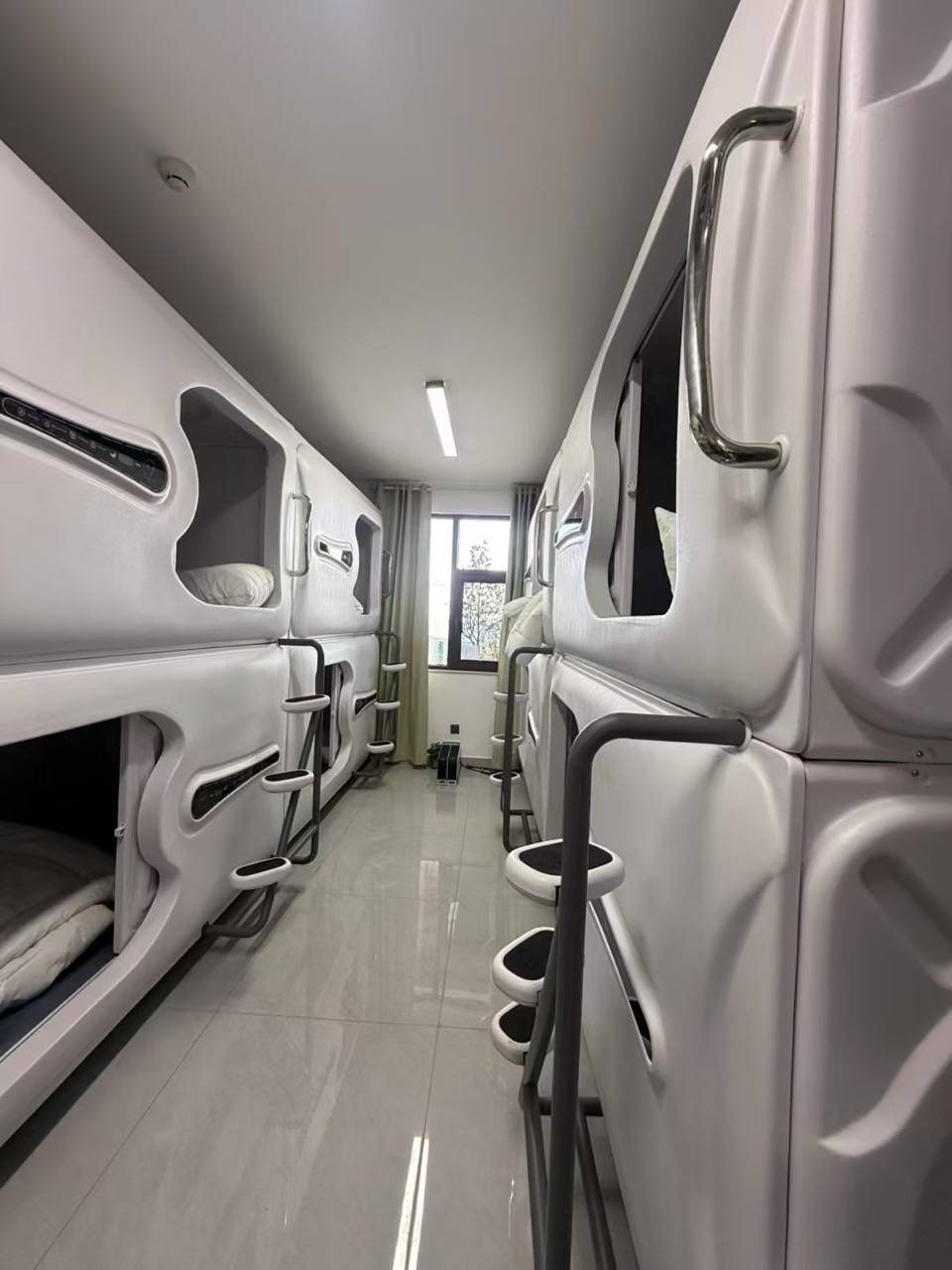
If you want to stay longer, ask about the separately paid capsule-style accommodation.