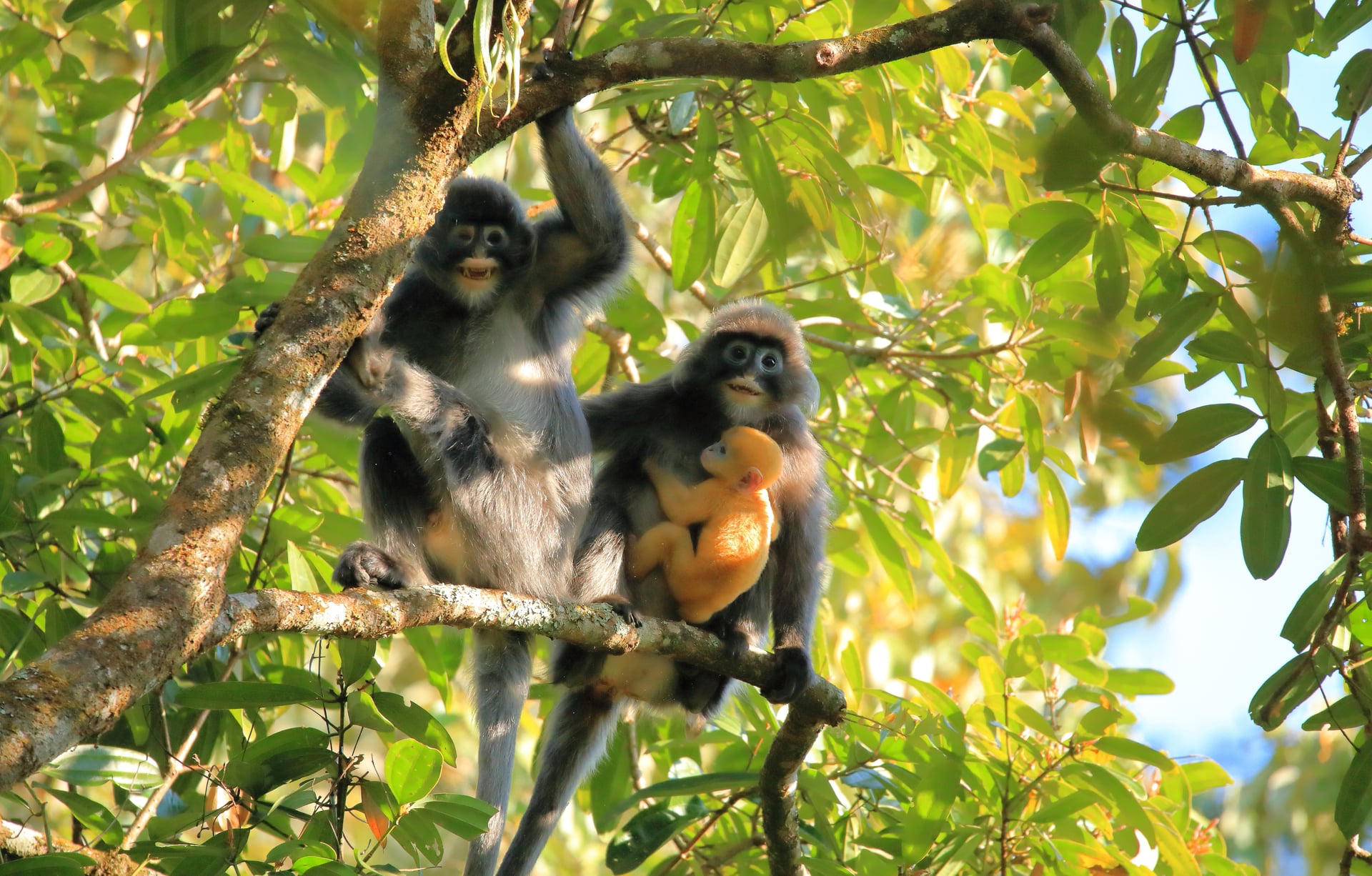
Meet the people protecting the langurs
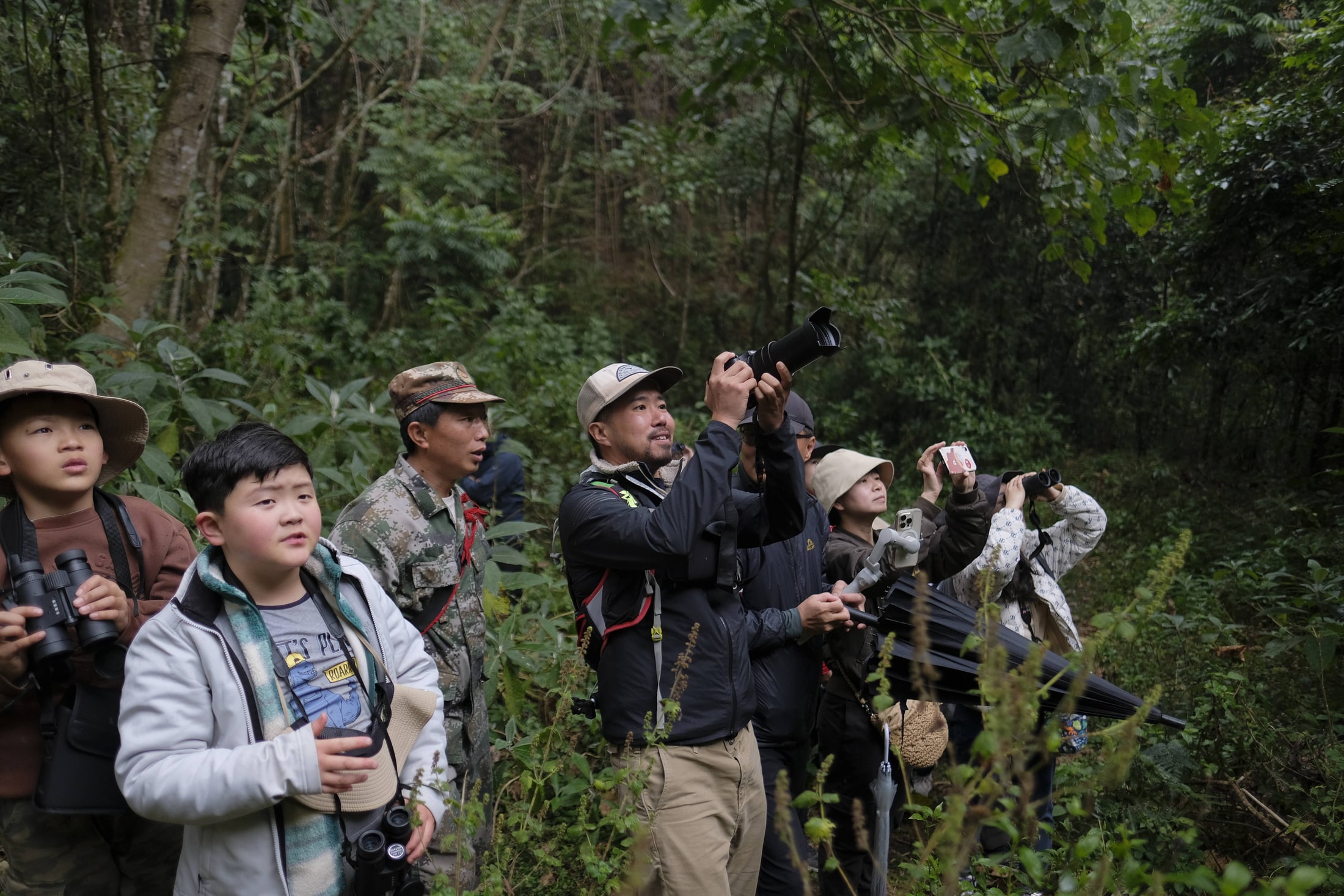
Join local conservation workers to look for Phayre's leaf monkeys—the langurs with striking blue-grey rings around their eyes. Observe them from a distance with shared binoculars, learn about their behaviour, visit the nature park exhibition and walk part of a patrol route. Your guide also introduces their food plants and the wider habitat. Lunch features locally prepared barbecue.
The day
- 09:30: meet at Boli Huishe Hotel (柏栎荟舍酒店).
- 09:45: depart; drive approximately one hour.
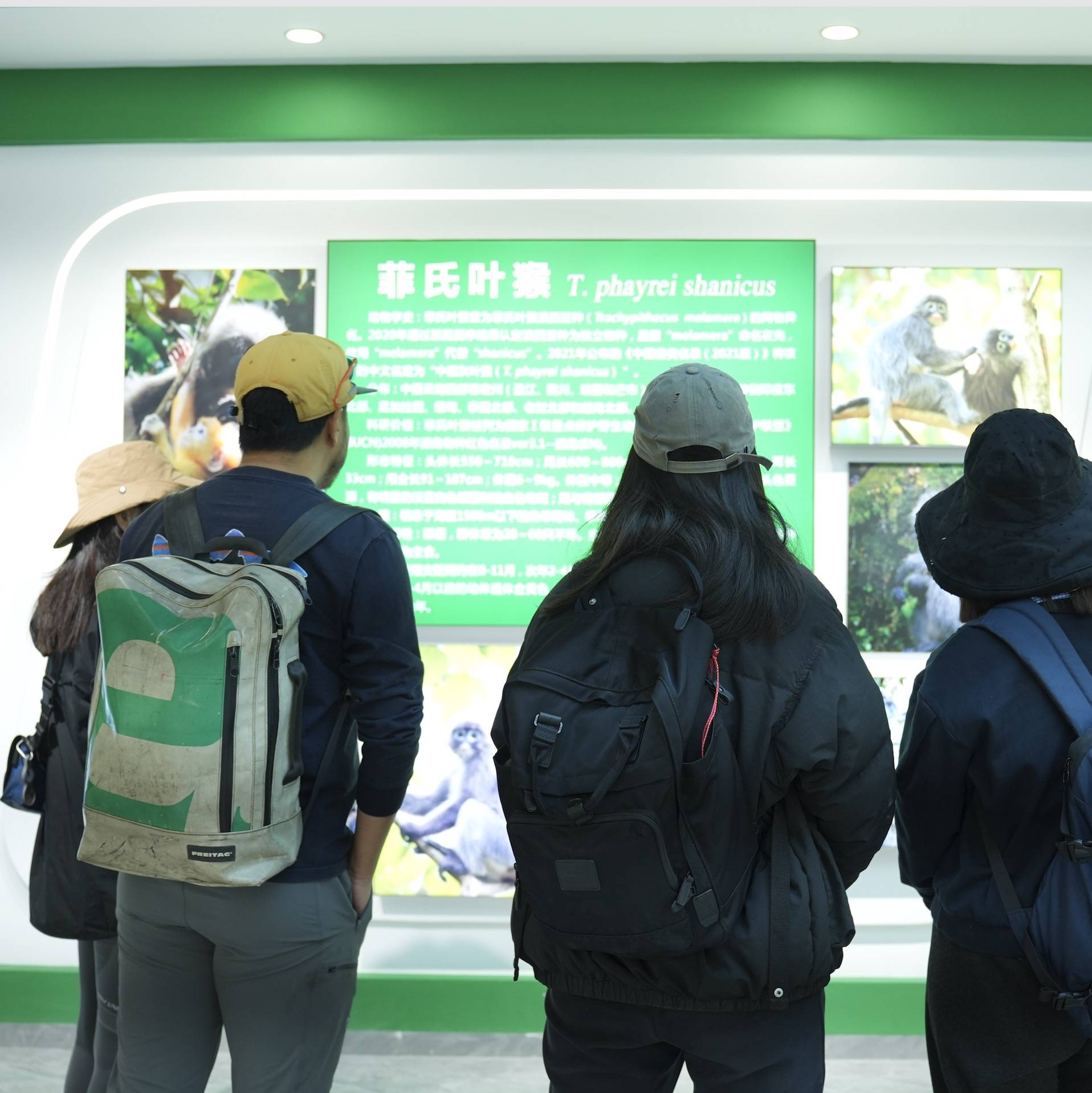
- 10:45: visit the Phayre's Leaf Monkey Nature Park exhibition.
- 11:00–12:30: guided langur observation.
- 12:30–13:30: lunch and a rest.
- 13:30–14:30: an ecology walk with your guide.
- 14:30: depart; return to Mangshi around 15:30.
Inclusions and booking
Transport, guiding, insurance, a simple meal, first-aid and insect-repellent supplies, and shared binoculars are included. Binoculars are not supplied individually and must be returned afterwards.
Minimum group: 2 guests, confirmed the day before. Ages: 8–60. If no langurs are seen, the platform refunds CNY 80. Wild animals move freely, so the order of activities may change. Final meeting details are sent to the activity group.
The langurs and their guardians
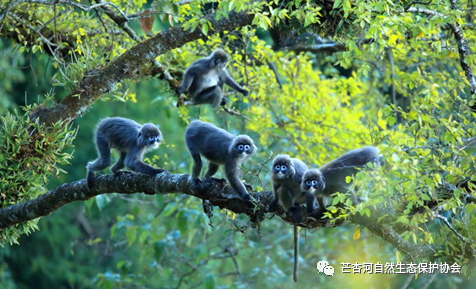
Phayre's leaf monkeys are a nationally protected species in China, listed as Endangered by the IUCN. The local account describes a Chinese population of just over 1,200, with more than 500 around Mangshi.
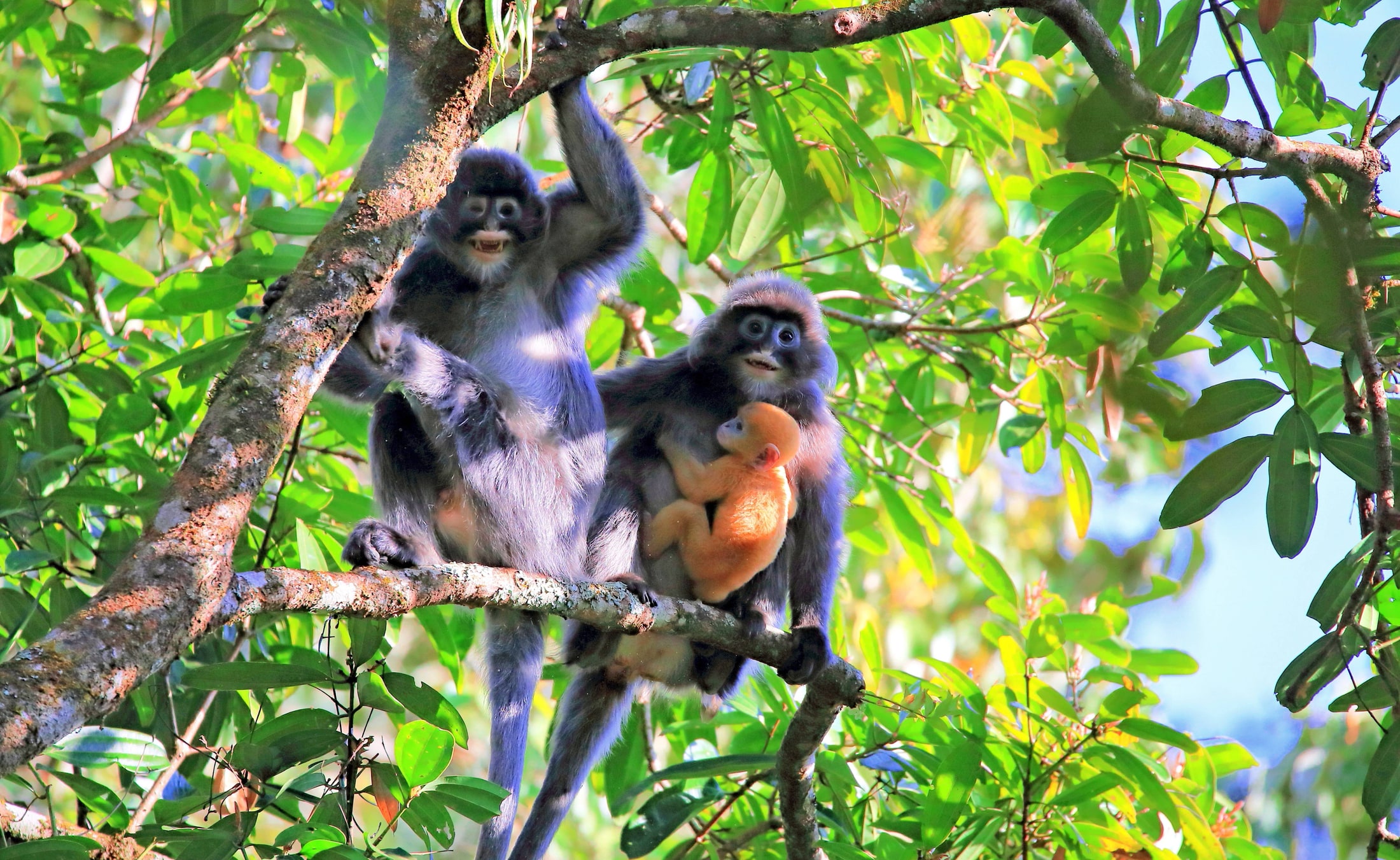
Villagers at the Mangxing River conservation area have helped protect this habitat. Their account records the local population growing from just over 300 to more than 500 over four years.
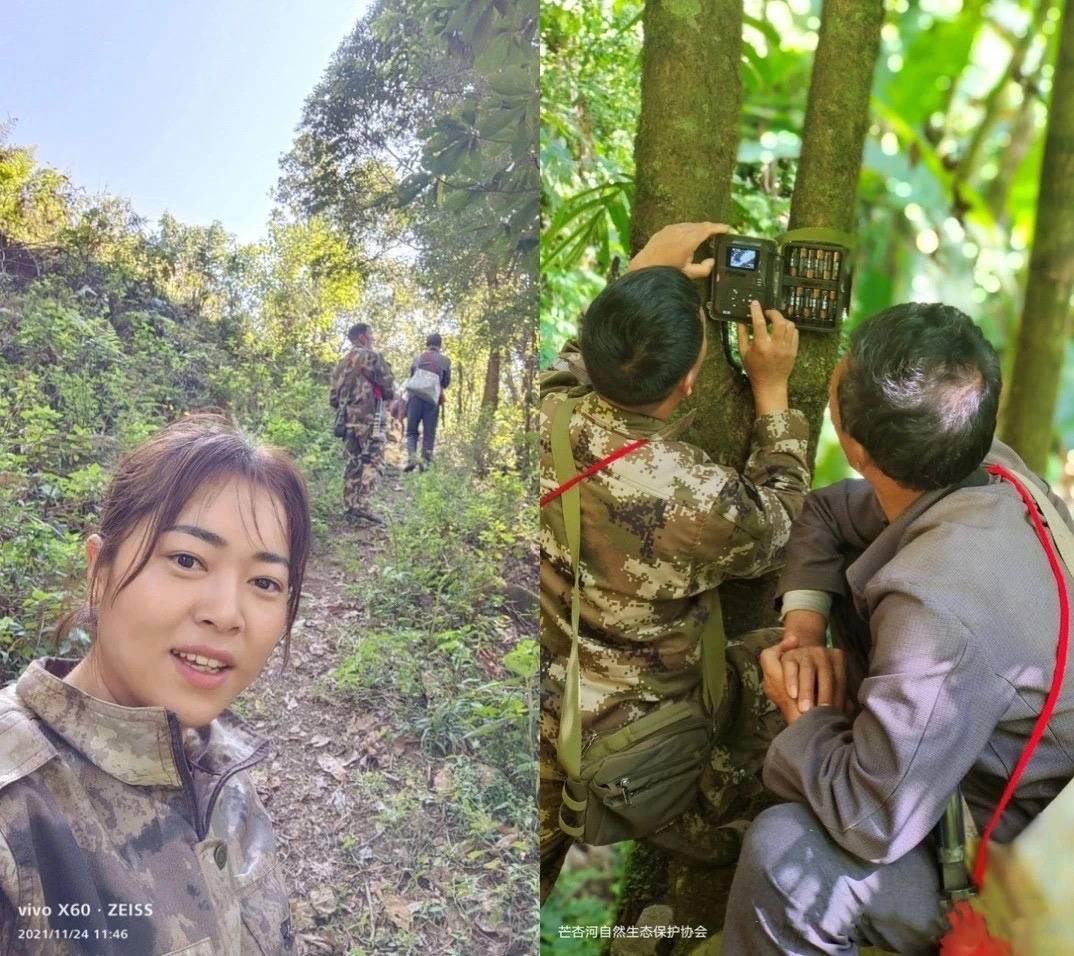
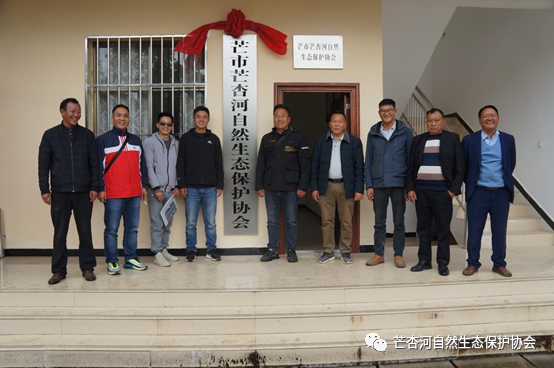
That patient work has also helped the animals become accustomed to the rangers. Taking part in this activity supports those local conservation efforts.
Start at the nature park exhibition
The exhibition introduces the villagers' work, the langurs and the other species sharing their habitat.
Rangers begin tracking the group one or two days before a visit. Rain makes this harder, and the day's sequence follows the animals' actual location.
Walk through their habitat
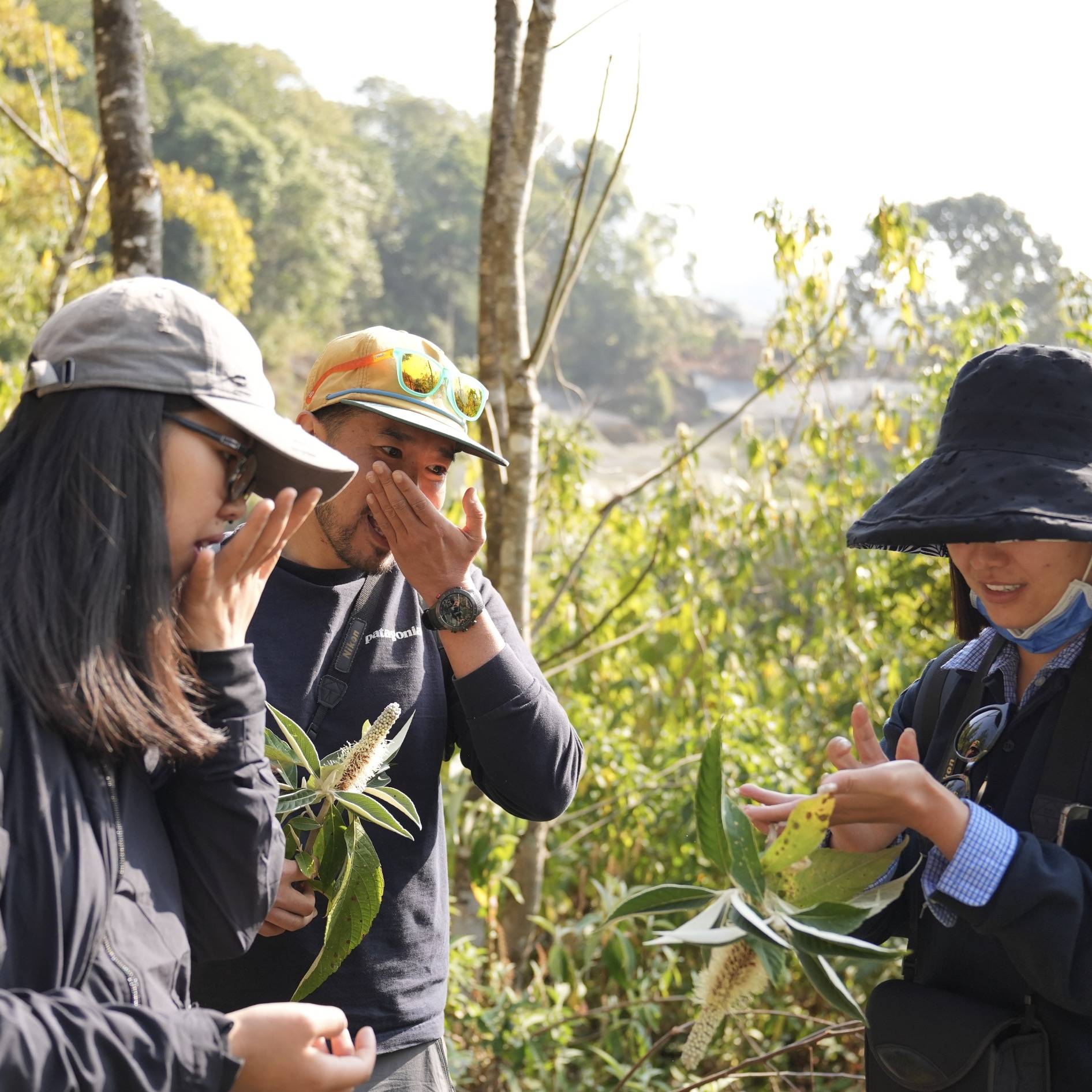
Use your senses to notice the langurs' food plants and learn about the forest around you. Do not taste wild plants independently.
When another ranger locates the troop, we move quietly to the observation point. Watch through binoculars without calling out. The rangers say the animals recognise their voices, particularly the local dialect.
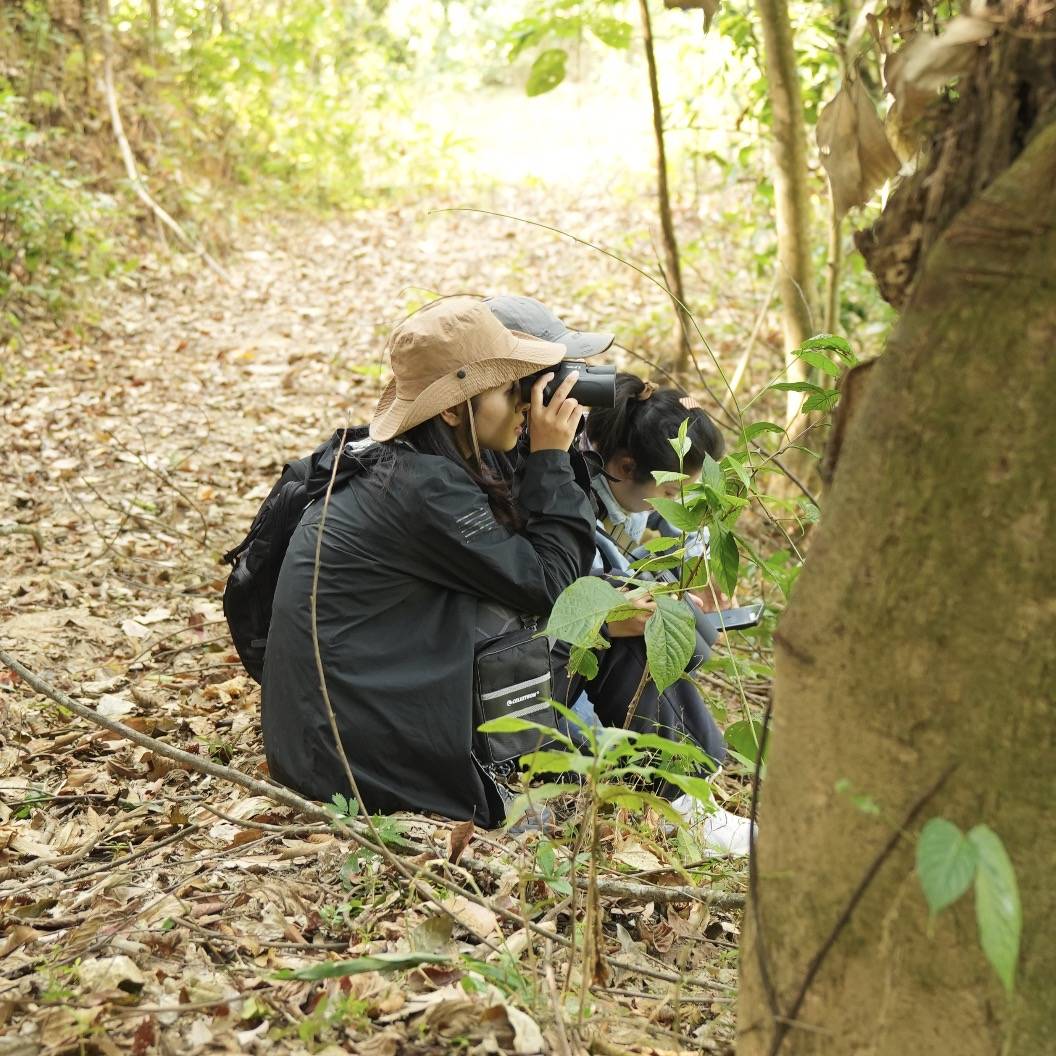
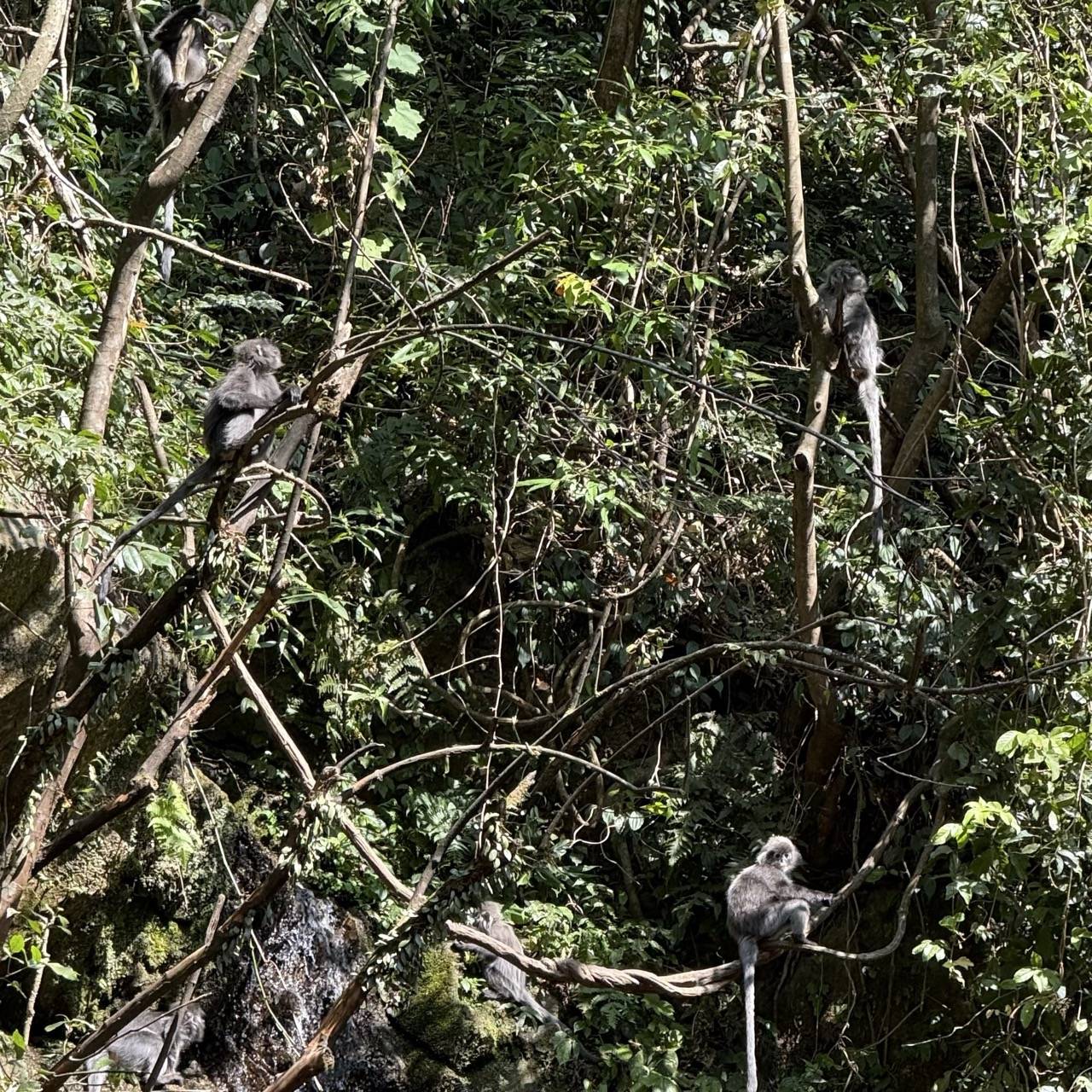
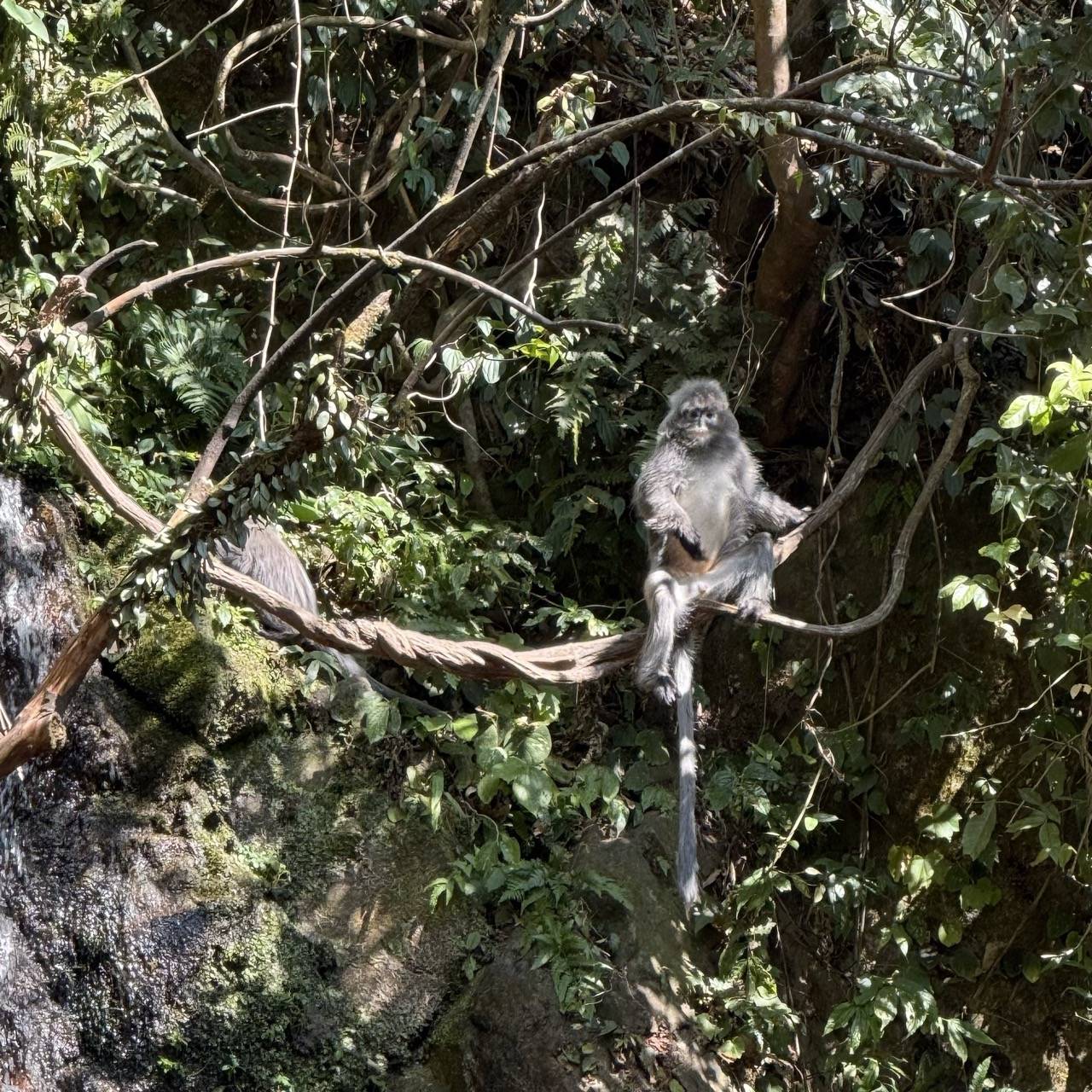
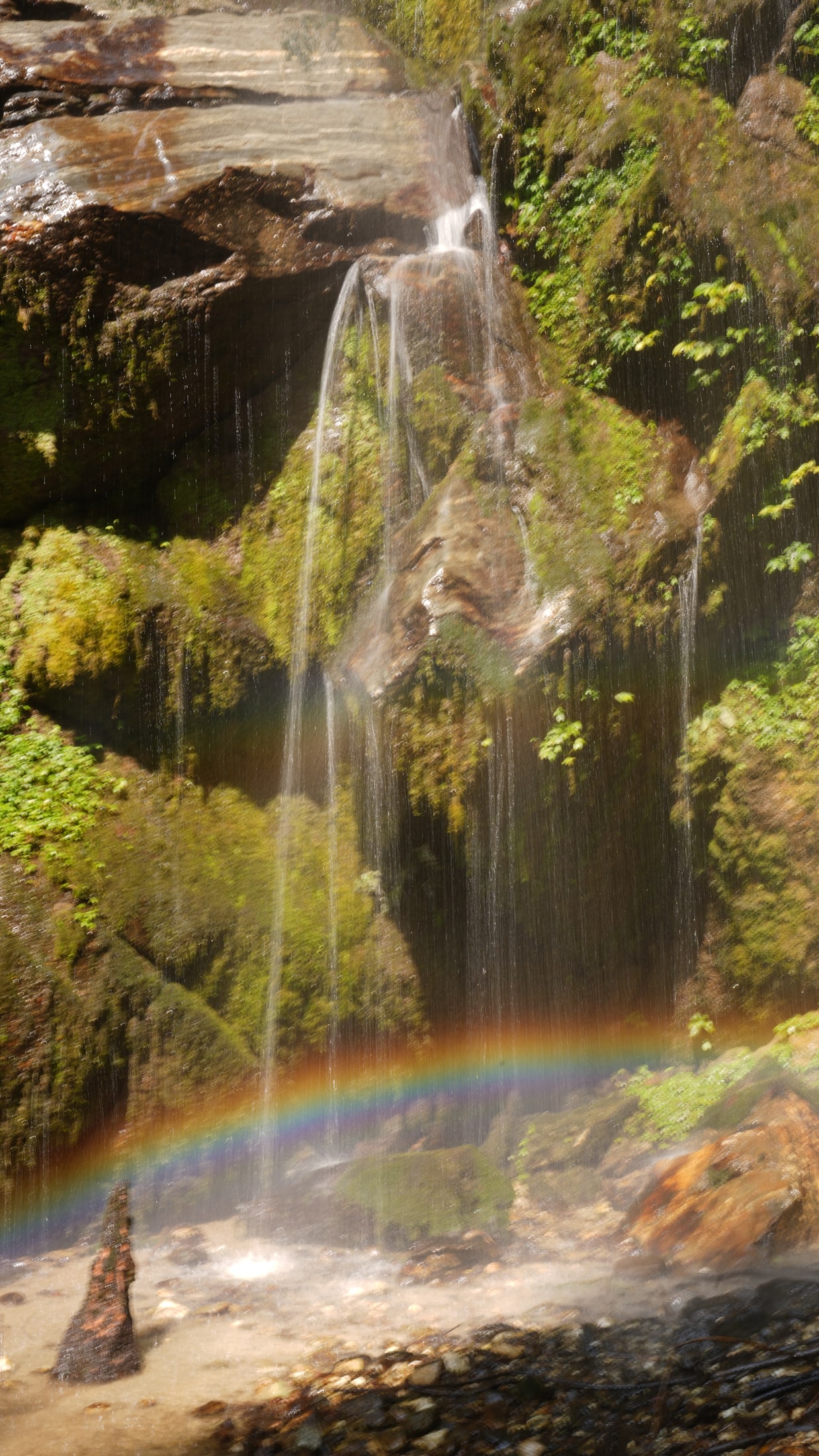
Look closely at faces and behaviour. Around the end of the year, there may be golden-coated infants. Rainbow Waterfall is one of the places the langurs favour; sunlight can bring out a rainbow in the spray.
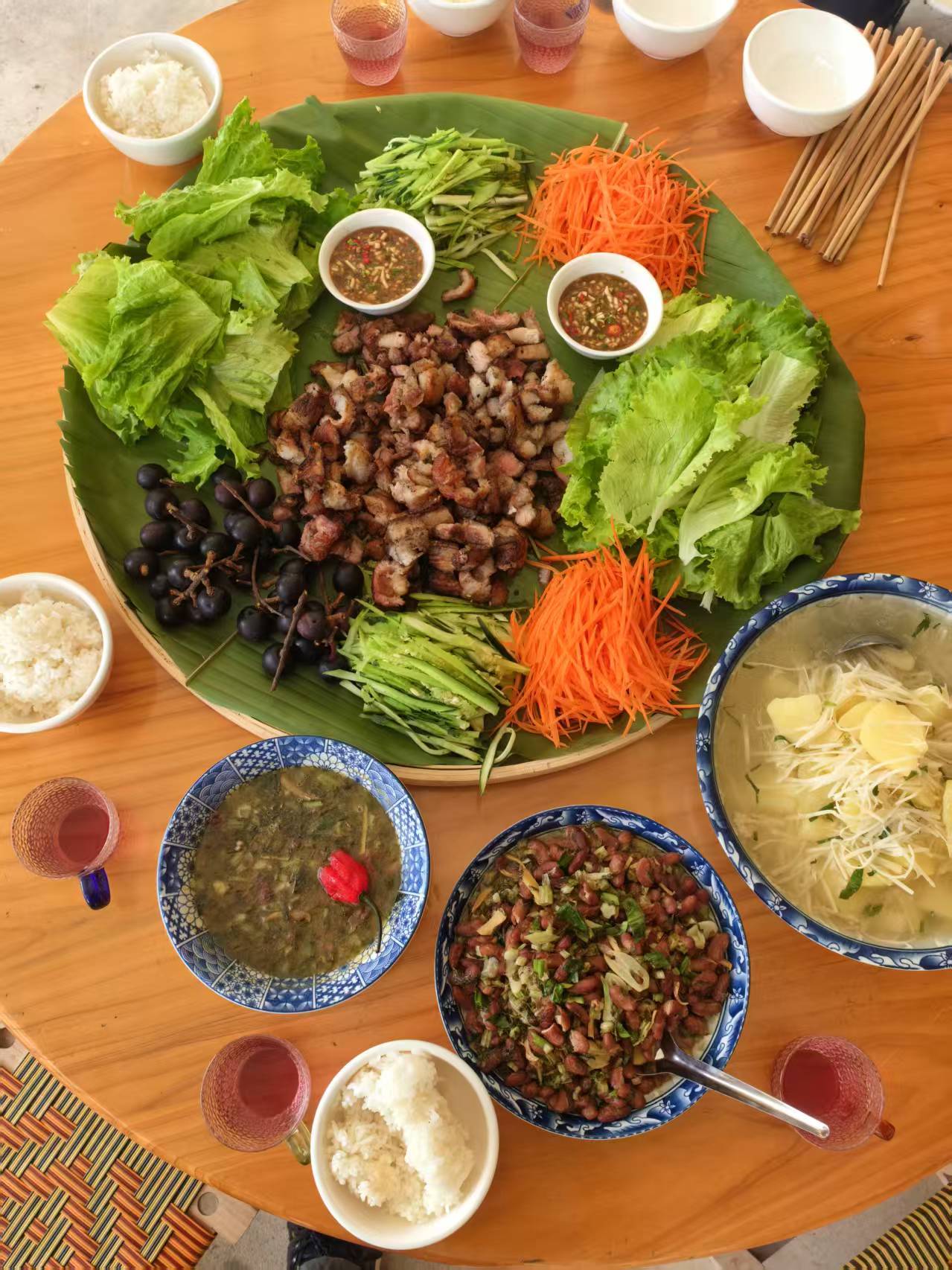
Lunch draws on Dai and Jingpo flavours: charcoal-grilled meat served on banana leaves, vegetables for wrapping and a sour, spicy dipping sauce. Dishes vary with the season; photographs illustrate the meal rather than guarantee an identical menu.
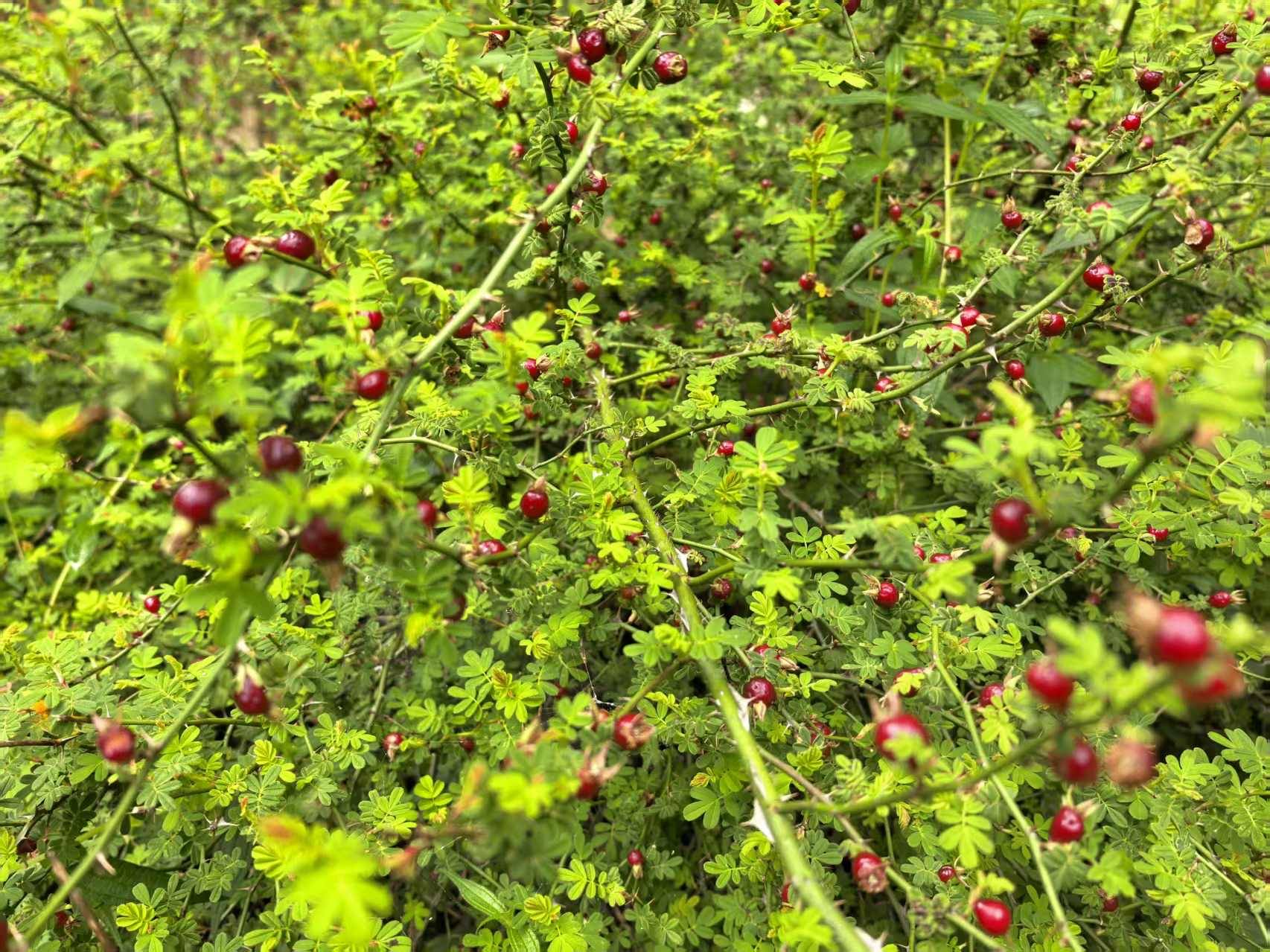
There is time for a photograph before we leave. You may notice seasonal wild fruit along the trail, but keep to looking, touching or smelling only when your guide permits—do not eat it.
If you want to continue exploring Mangshi's food afterwards, ask our team for local restaurant suggestions.