Three communities, one shared landscape
Spend a day in Jingpo, De'ang and Dai villages. We do not try to explain three cultures in a day or reduce them to a few symbols. We start with people we meet, objects still in use and the spaces where village life happens.
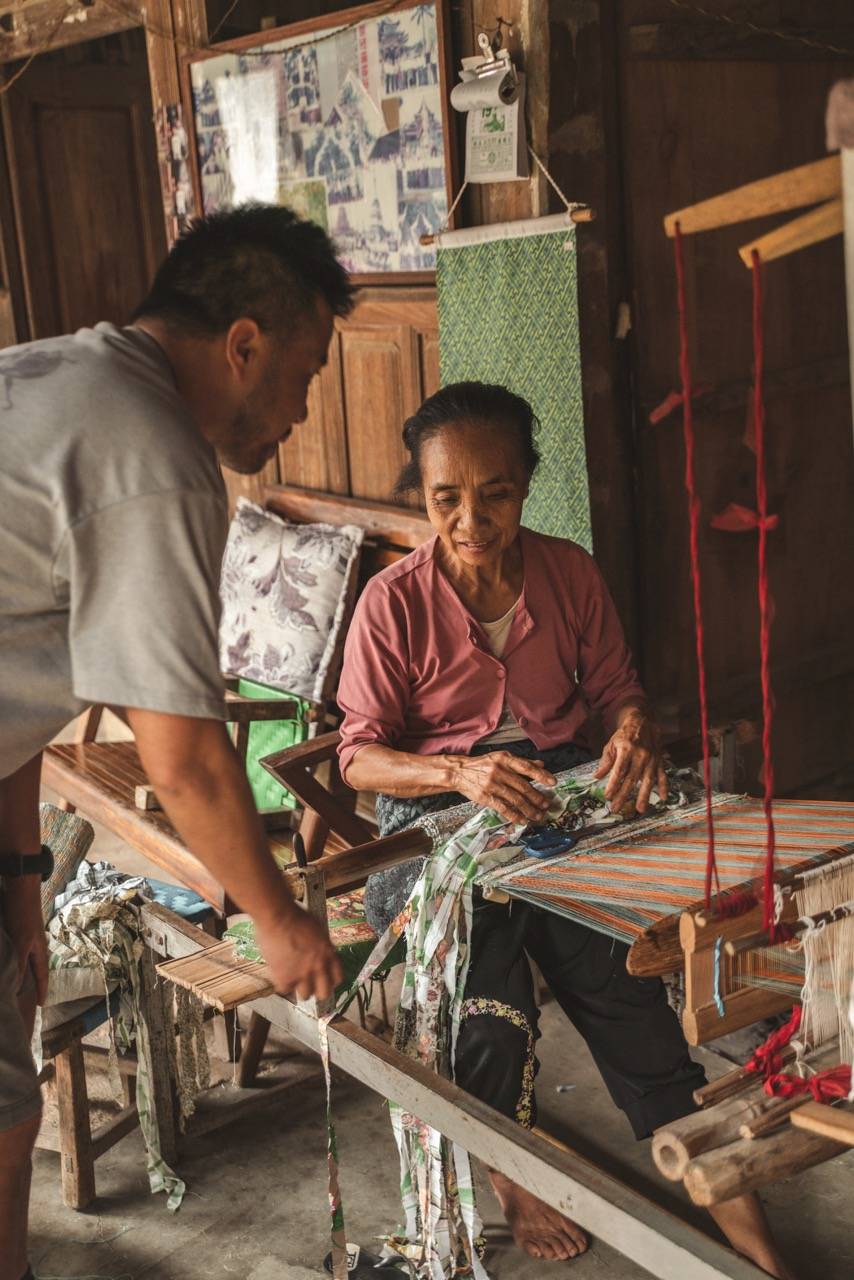
A cup of sour tea, a piece of weaving, a dance or a conversation at home might be our starting point. Hosts, craftspeople, weather and village arrangements shape each visit. Rather than repeat an identical programme, we leave time for what is happening that day.
Expect paved roads, new houses, cars, phones and household appliances—not a village frozen in the past. Local languages, hospitality, skills, family relationships and beliefs continue within this changing everyday life. We also look at how neighbouring communities have exchanged food, ideas and traditions while retaining their own identities.
The day
- 09:30: meet in Mangshi and depart.
- Morning: visit Mangliang for Jingpo dances, skills and stories.
- Lunch: eat at a Dai family-run restaurant around Zhefang and visit the Buddha enclosed by a tree.
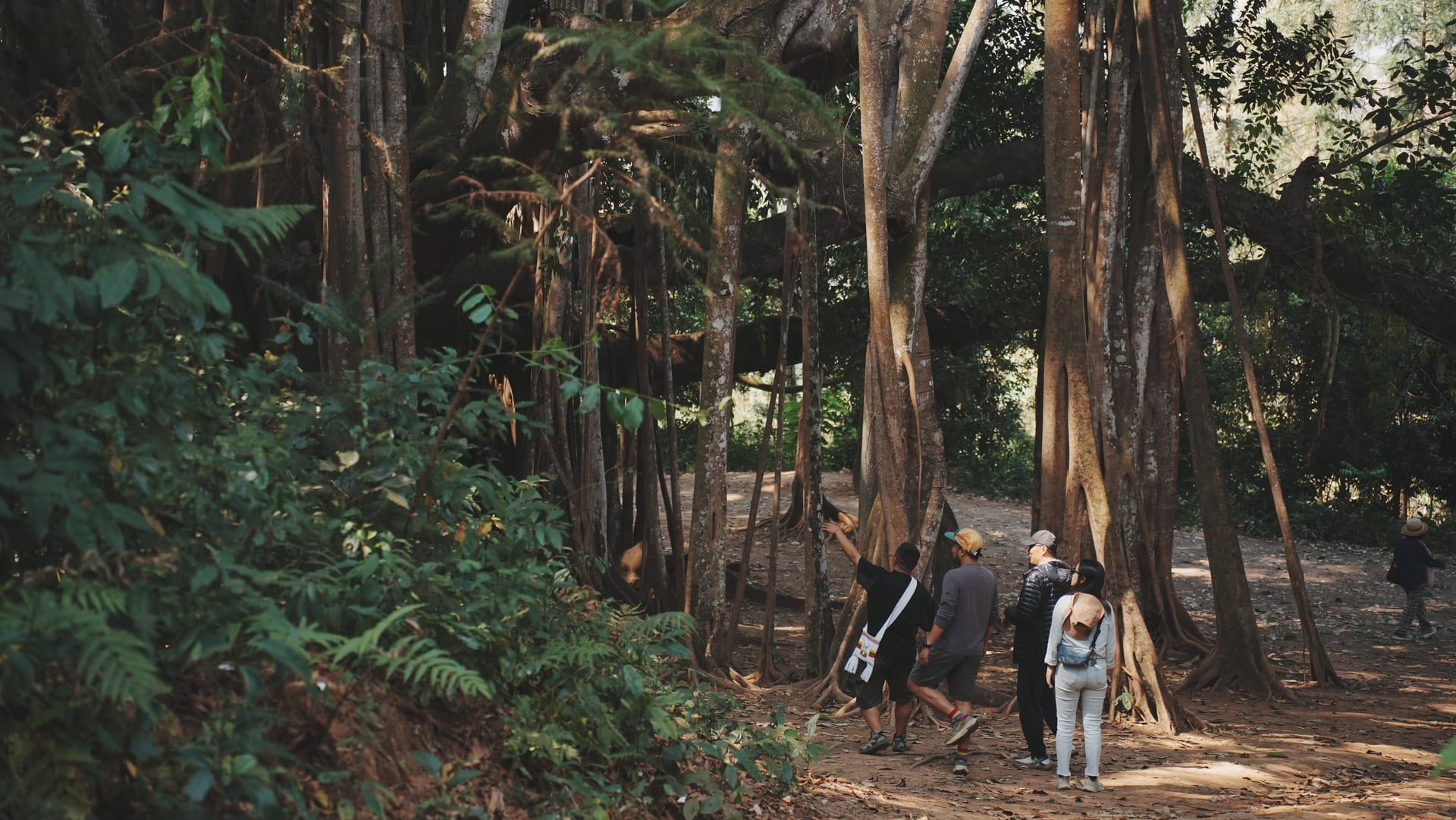
- Afternoon: visit De'ang and Dai villages around Santaishan. Explore village buildings and everyday life, and stop at the sacred banyan whose branches form a grove.
- Around 18:30: return to central Mangshi.
The day's driving covers roughly 150 km; the longest individual stretch is about one hour. The rest of the time is for walking, conversations and activities. Tell your guide if you have plans afterwards: a visit may run longer when everyone wants to stay.
Inclusions and meeting details
Transport, insurance, lunch, guiding, the activities arranged for the day and a basic first-aid kit are included. Alcohol, drinks and other personal purchases are not included.
Meet at Boli Huishe Hotel (柏栎荟舍酒店), Mangshi. Minimum group: 2 guests. Ages: 6–65.
Follow your hosts' and guide's instructions in temples, villages and homes. Ask before photographing people, especially children, or interiors. Do not enter private areas or handle belongings without permission. Home visits depend on the family's availability; markets, festivals, weather and road conditions may also change the day's order.
A closer look at the route
We visit Jingpo, De'ang and Dai communities, with time to meet the people who live here. A cup of sour tea, a textile, a language still spoken at home or a village place of worship opens a conversation about daily life.
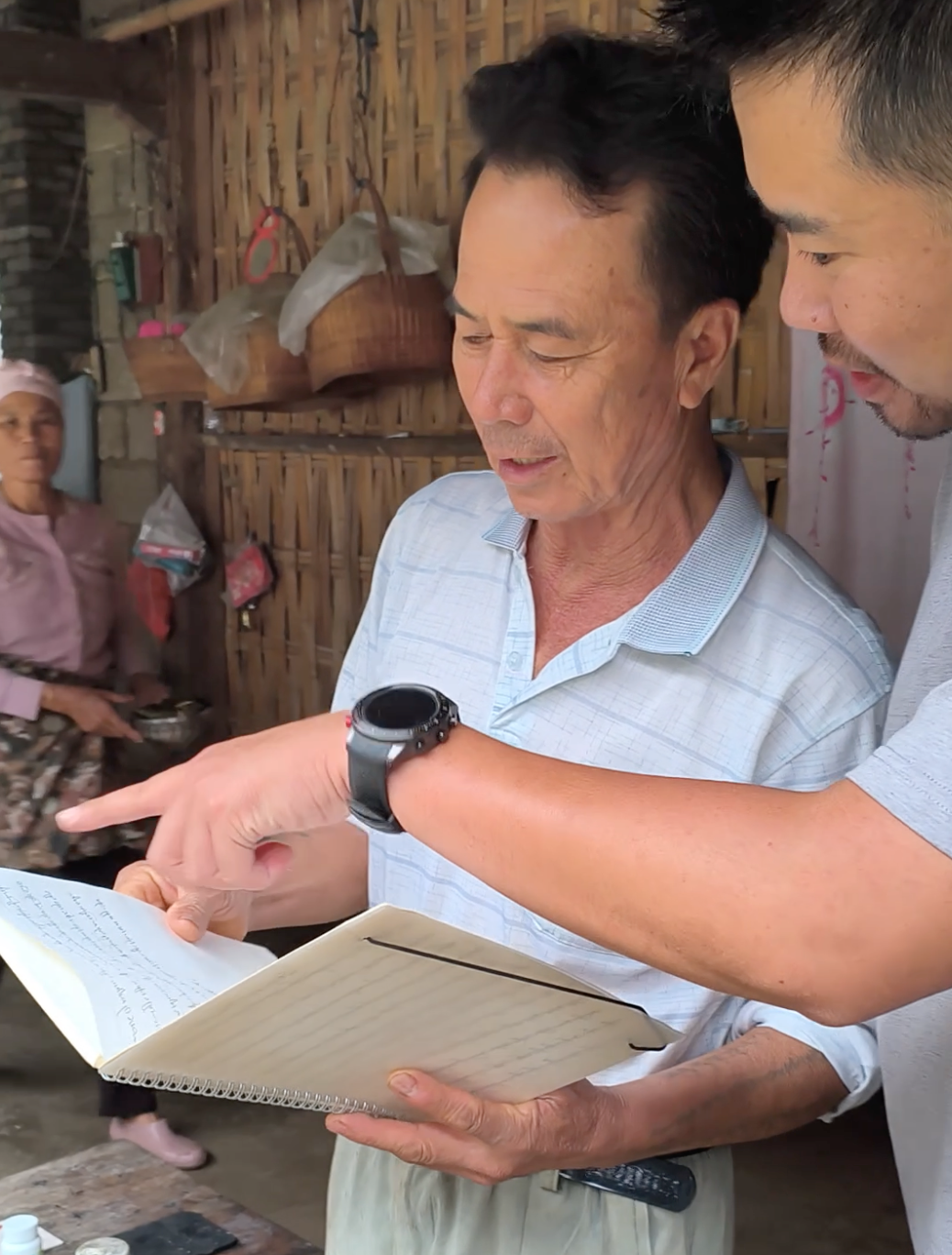
These are not three stops to tick off. Each community has its own history, language and beliefs, shaped in part by a long history of living alongside its neighbours.
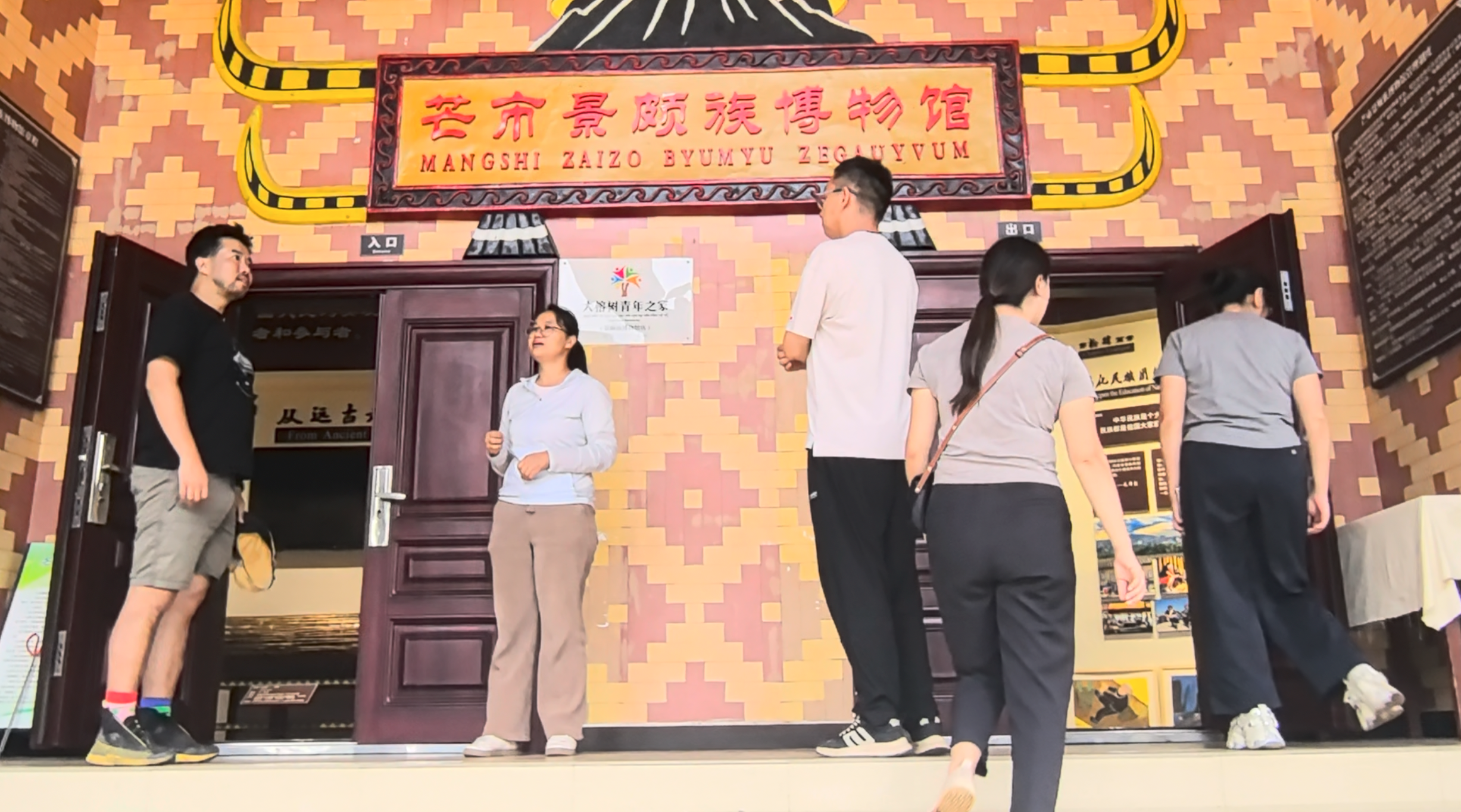
Our first stop is a Jingpo village and its ethnic museum. Jingpo communities include different branches, such as Jingpo and Zaiwa, and extend across national borders. We consider how mountain life, clothing and household objects express identity, and how Manau dancing, Shidong celebrations, weaving and family life bring people together.
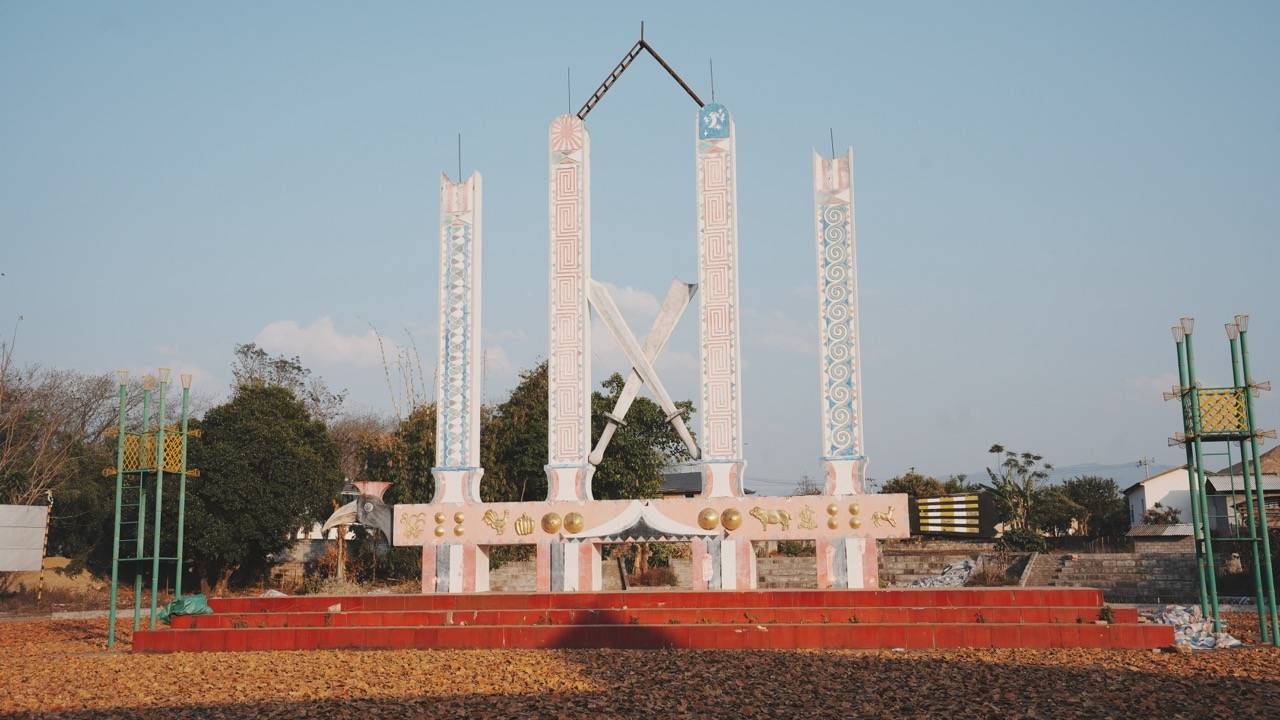
When arrangements allow, join a short Manau dance. Being part of the line can help explain how a dance carries collective memory. Lunch is around Zhefang, where irrigated rice fields contrast with mountains that supply tea, bamboo, timber and other produce. The villages belong to a connected landscape, not separate islands.
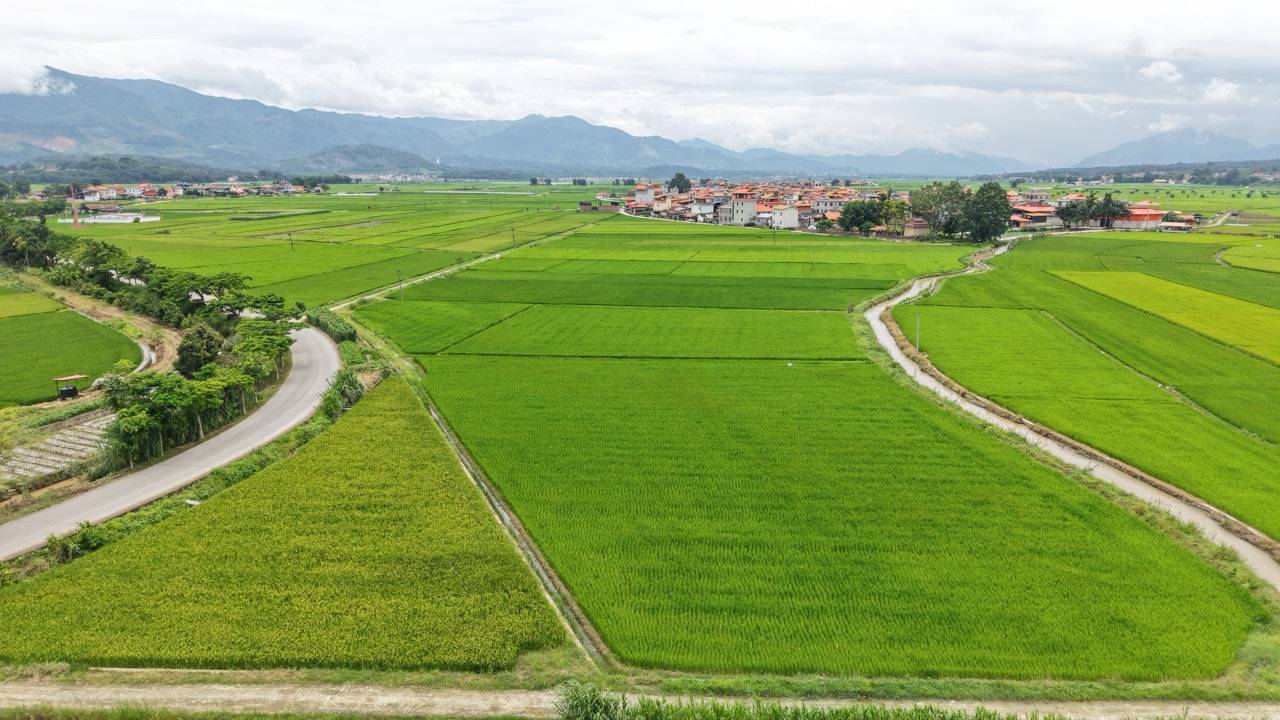
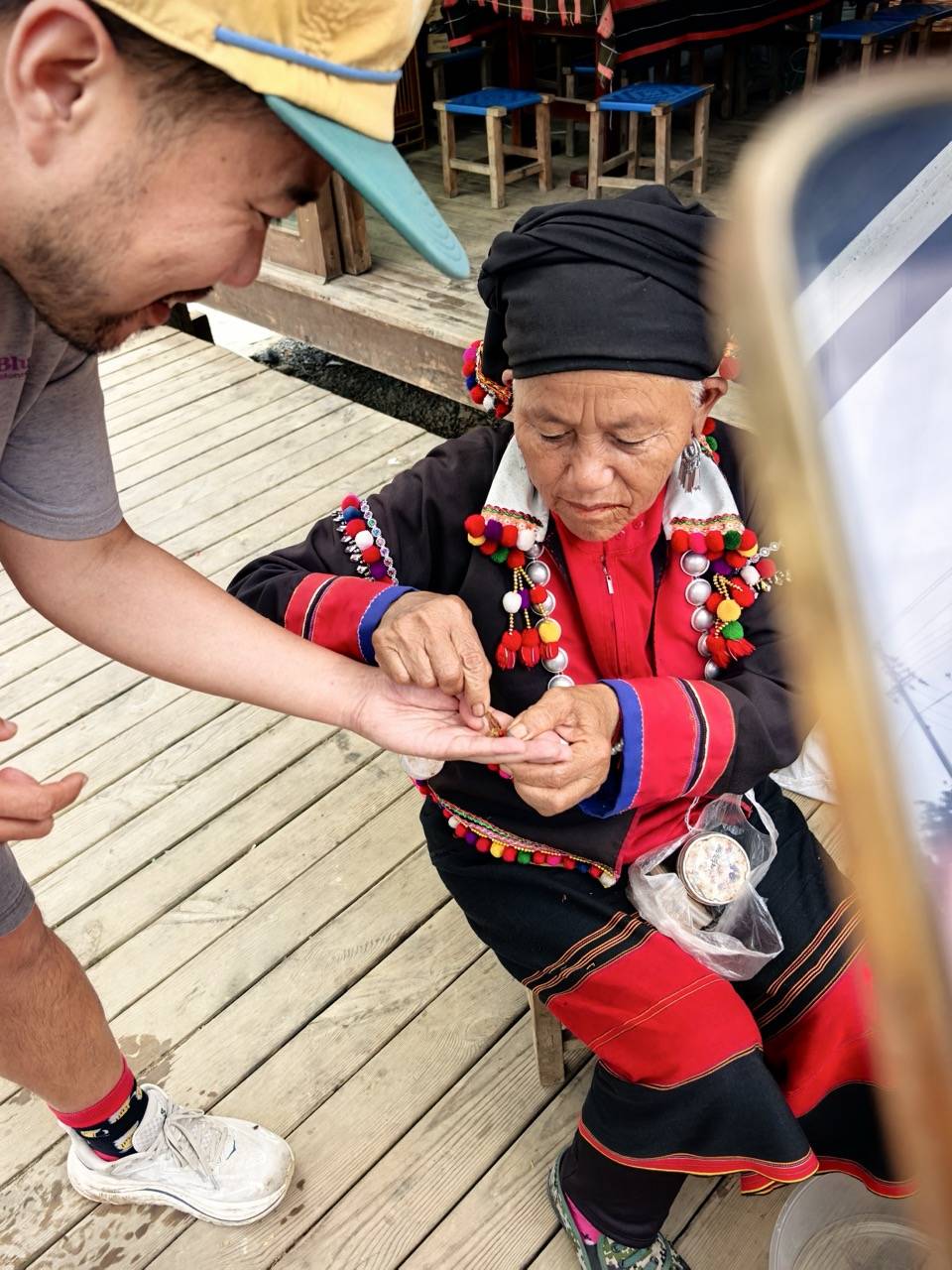
Our second stop is Chudonggua, a De'ang village. De'ang people have a long history in this region and are one of China's smaller cross-border ethnic communities. Santaishan is China's only township named for the De'ang community.
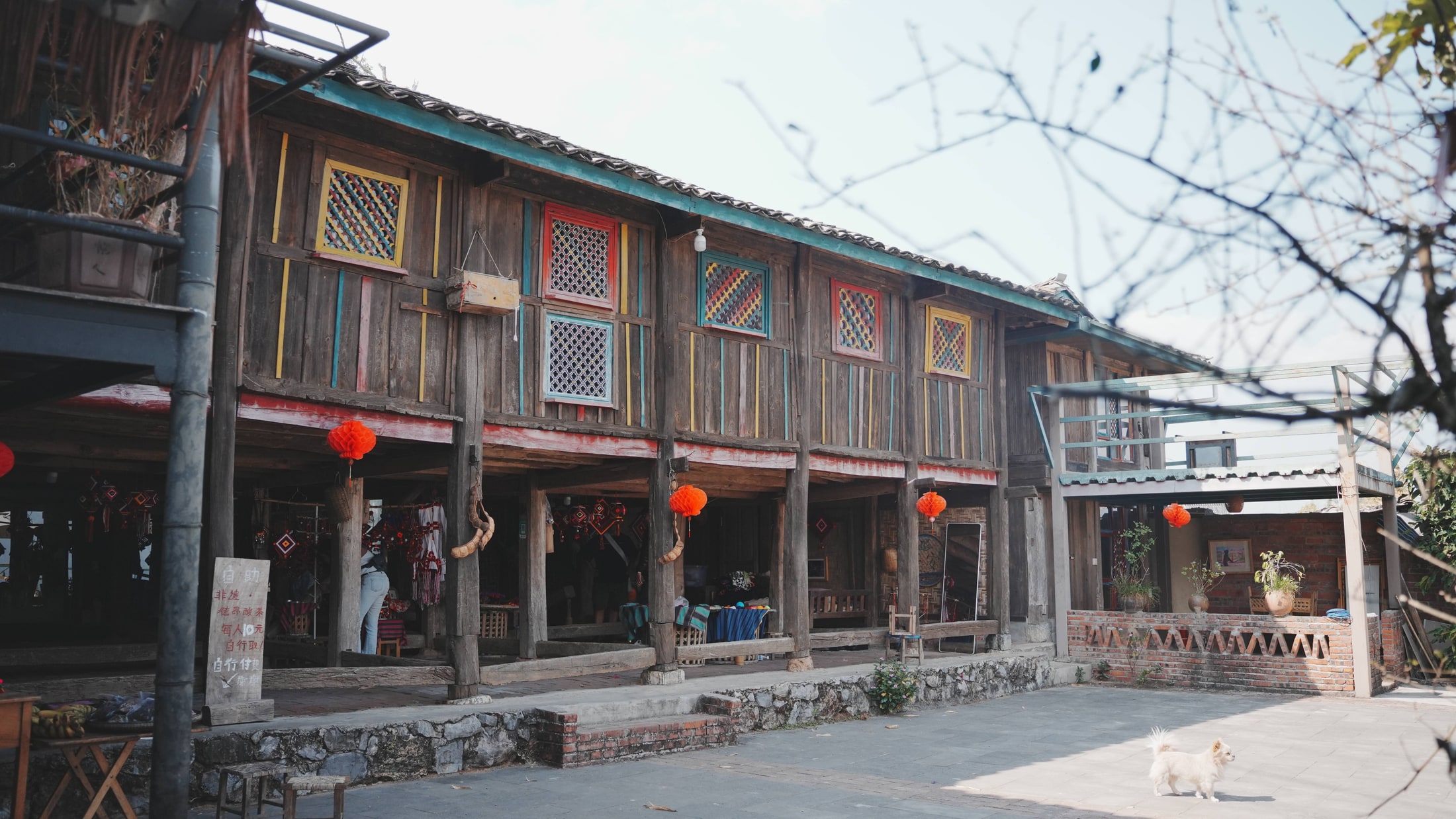
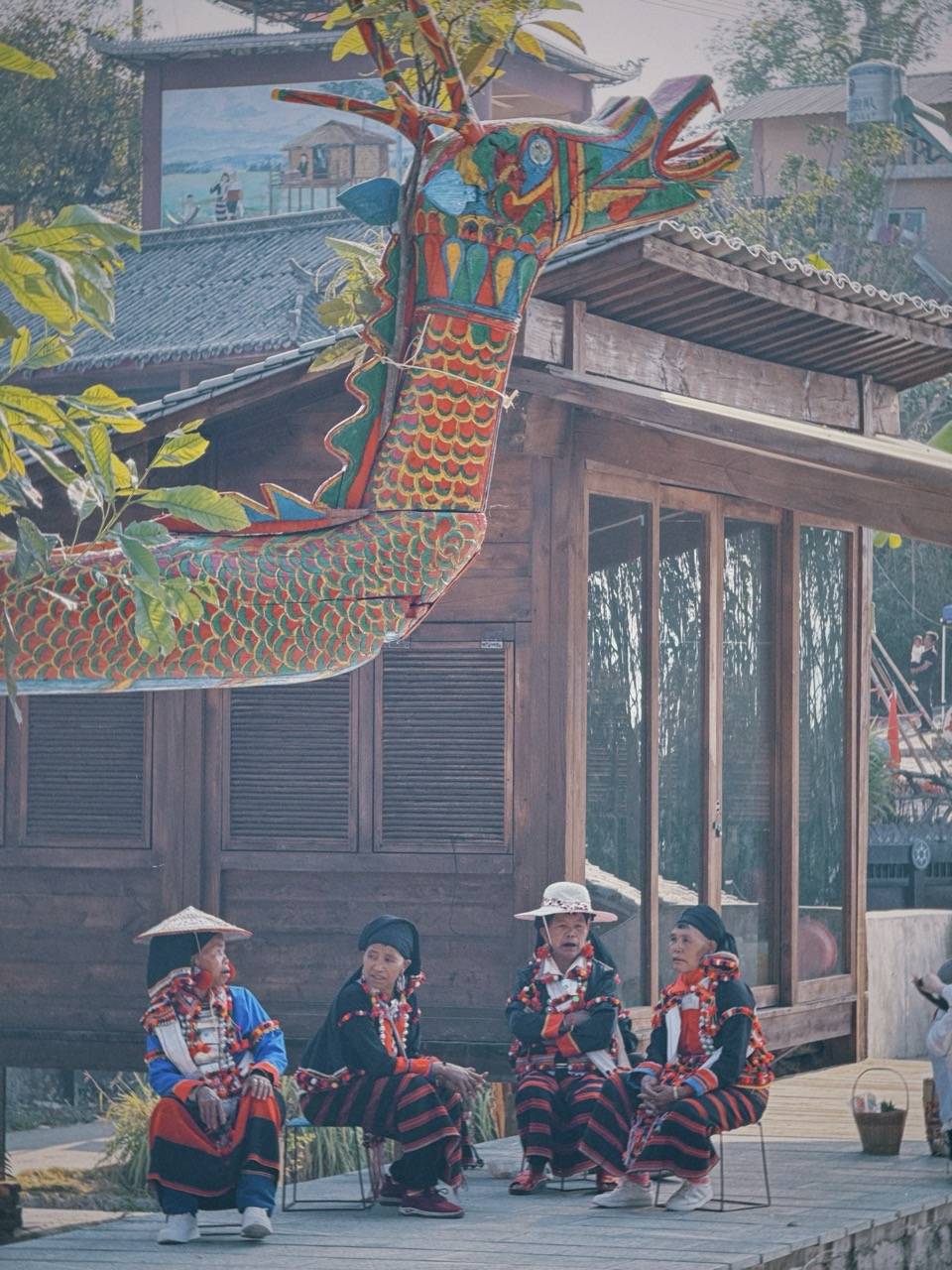
Tea is our starting point here.
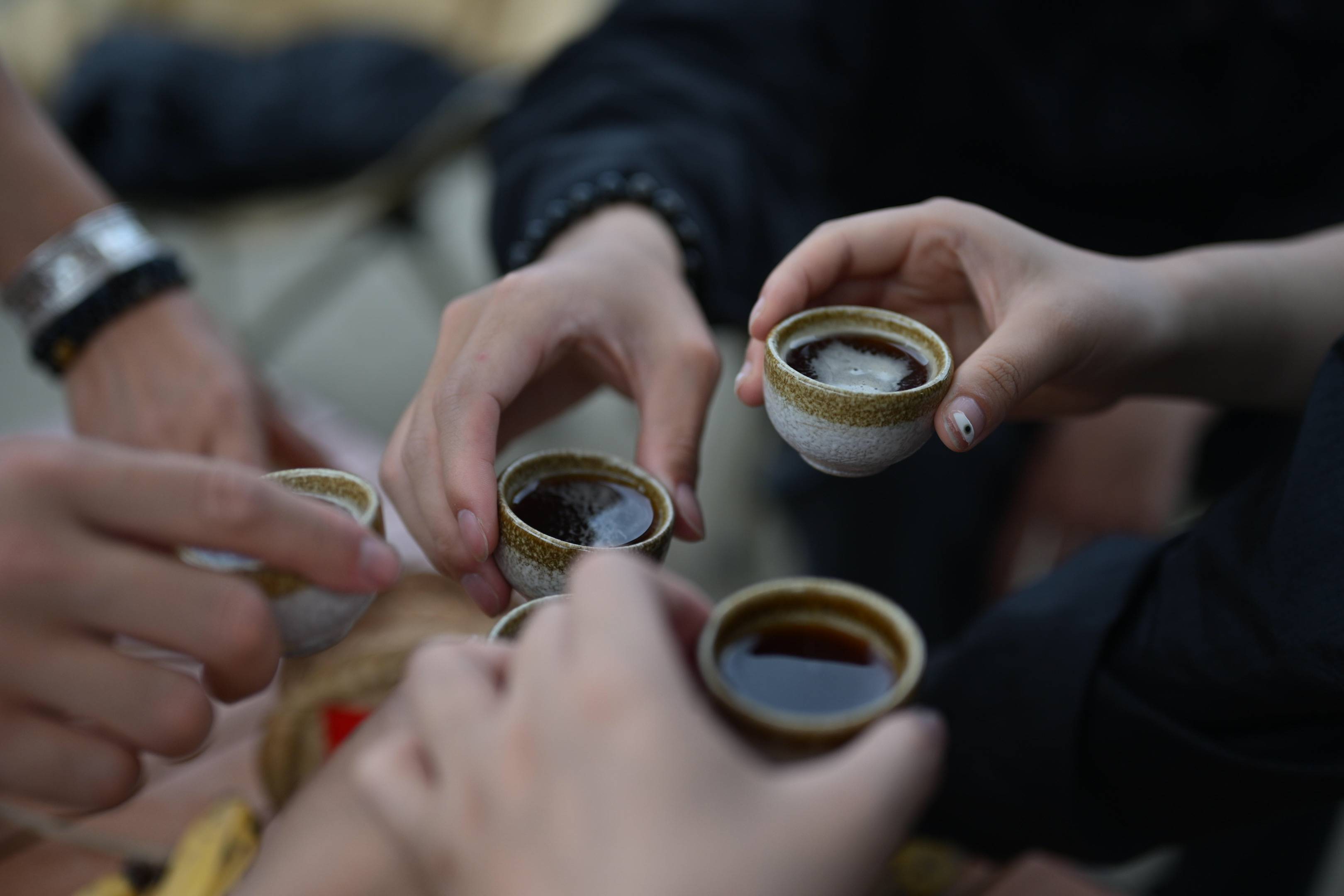
For De'ang families, tea has long been part of welcoming guests, visiting relatives, courtship and invitations—not simply something to drink.
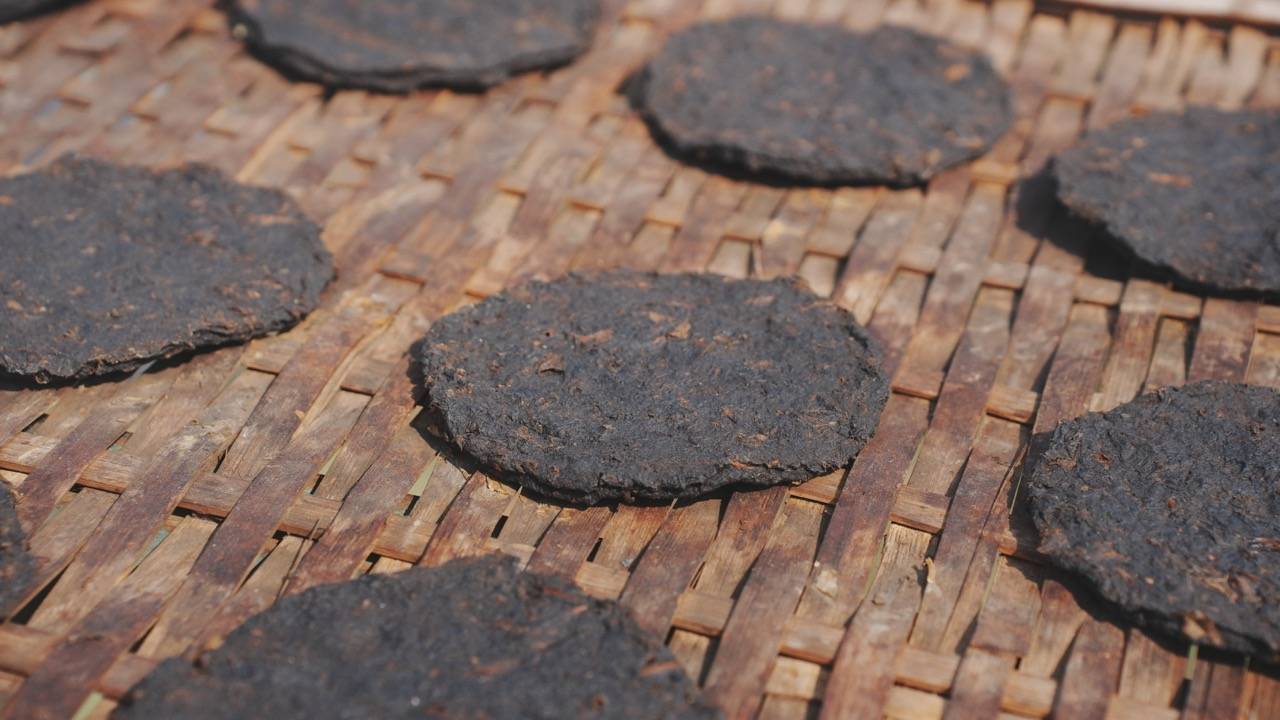
Tasting sour tea is a way to ask how a leaf became part of social relationships and everyday life.
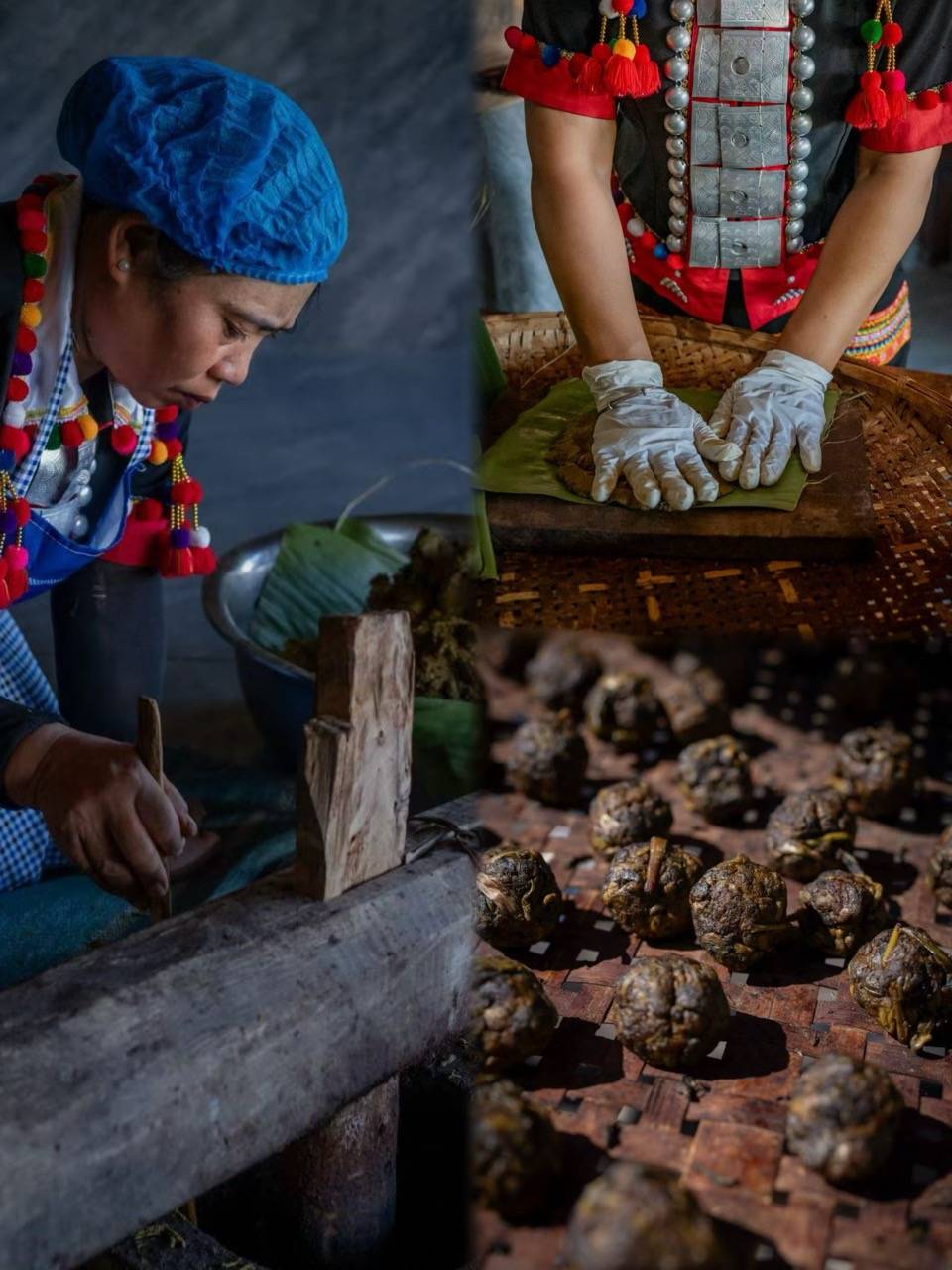
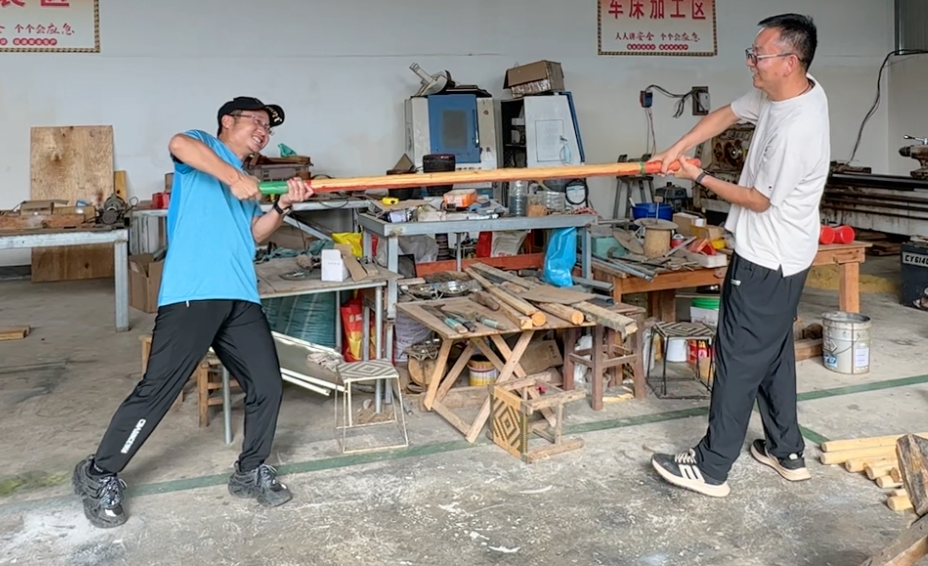
If traditional games or crafts are available that day, we make time to take part.
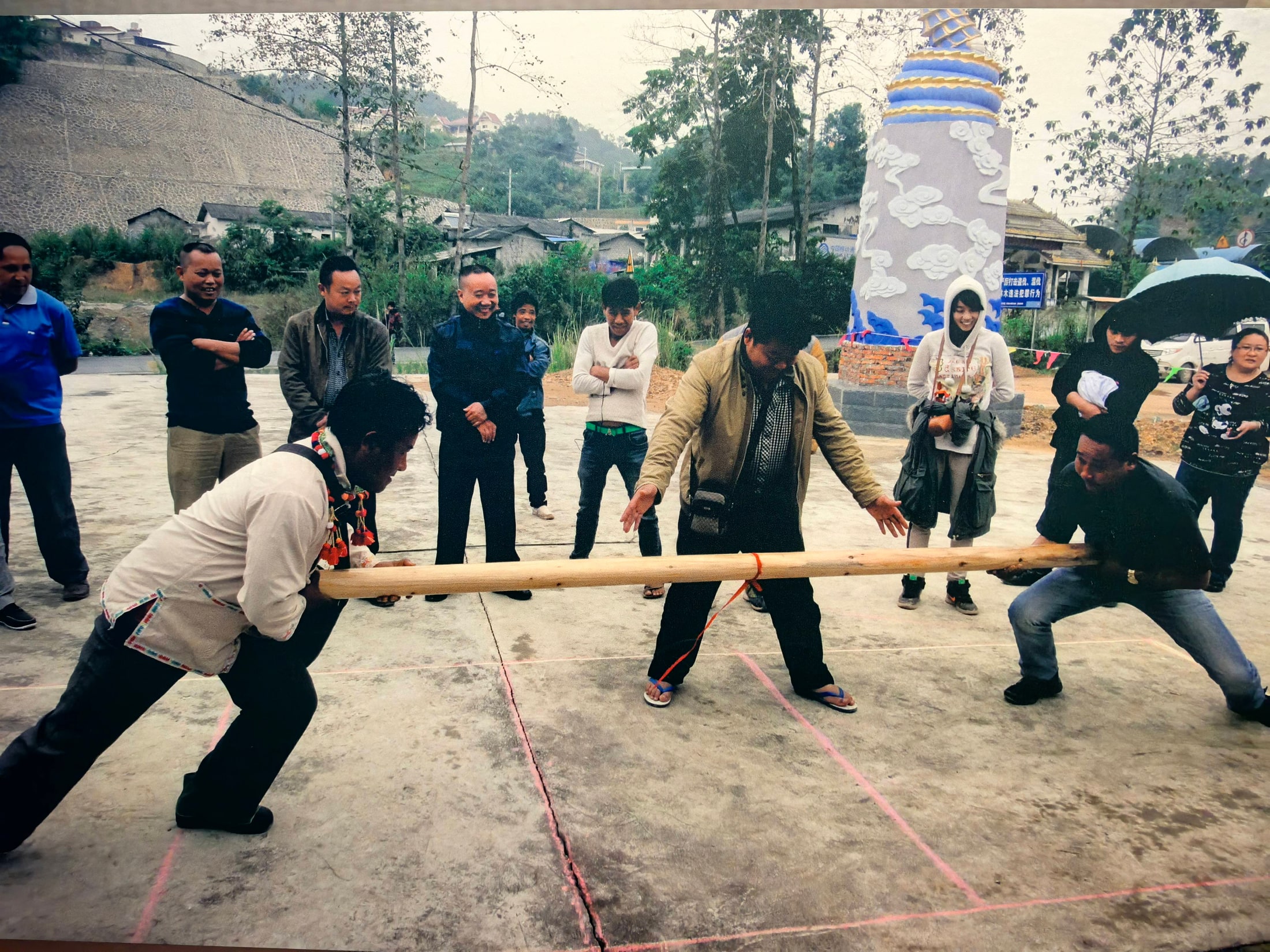
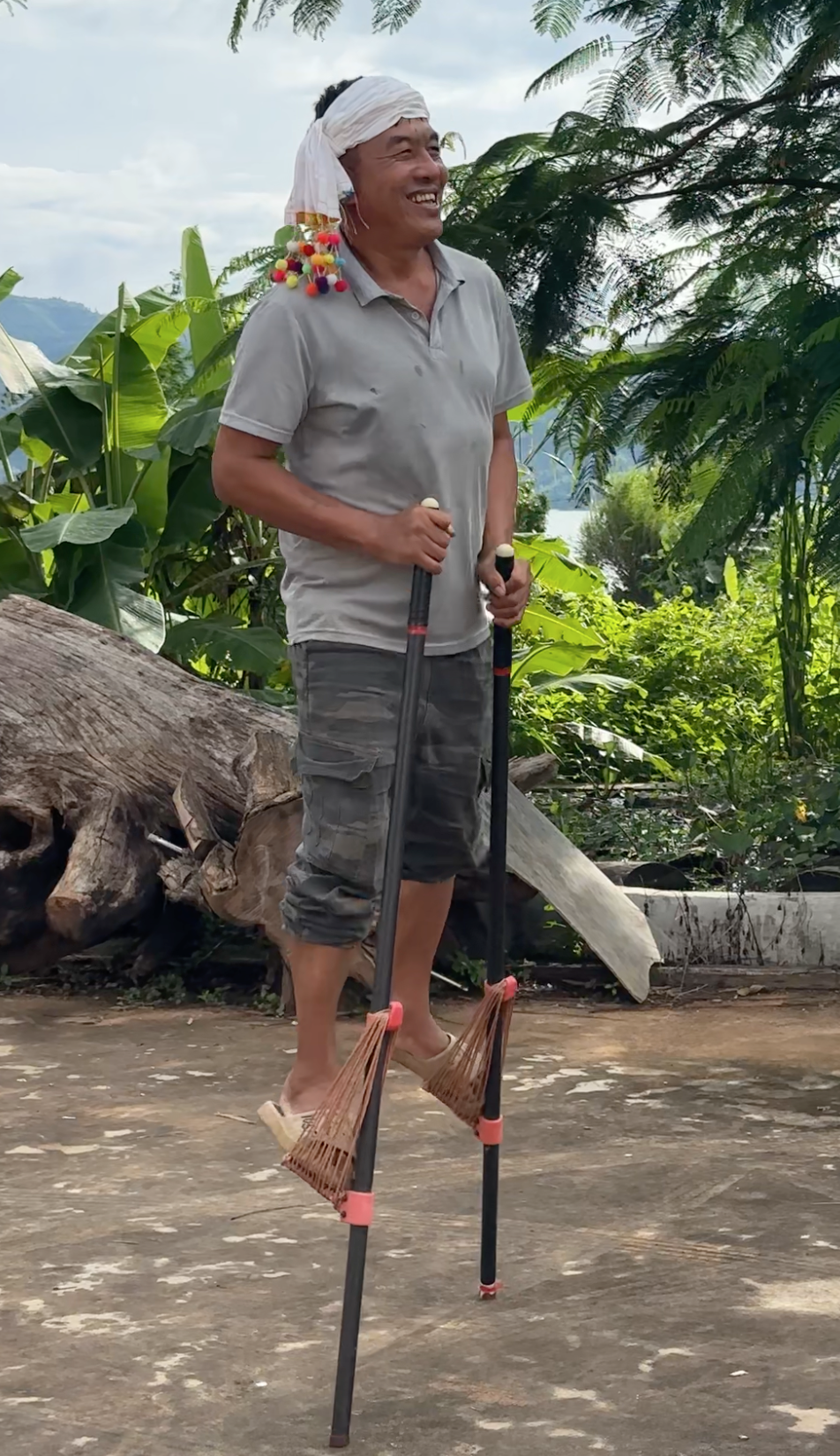
Our third stop is a Dai village.
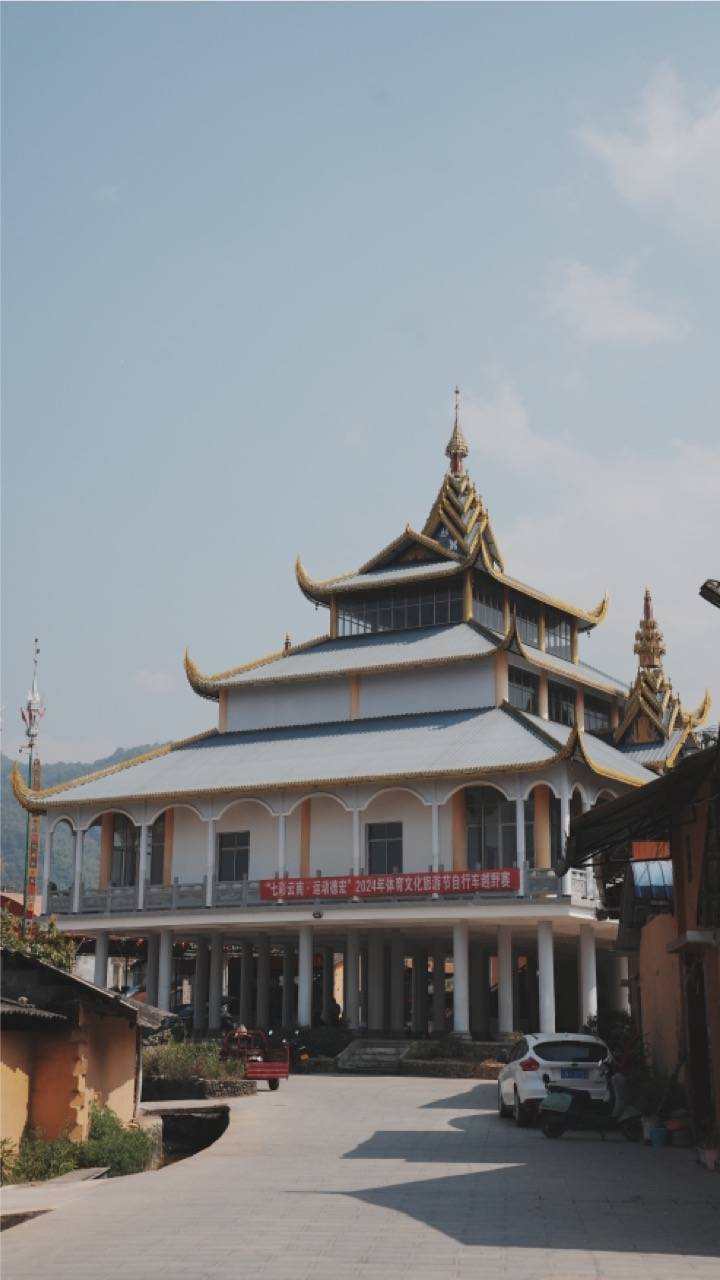
A village is more than a collection of houses. Its entrances, centre, banyan tree, Buddhist temple and family courtyards have connected roles in community life.
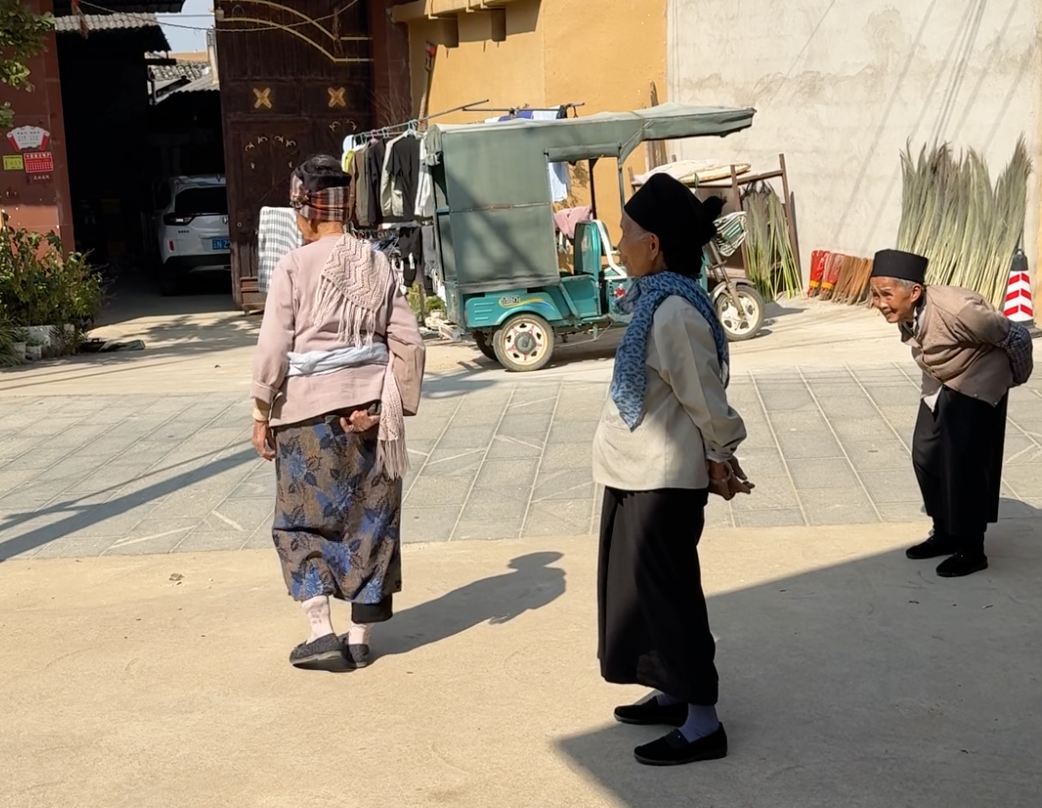
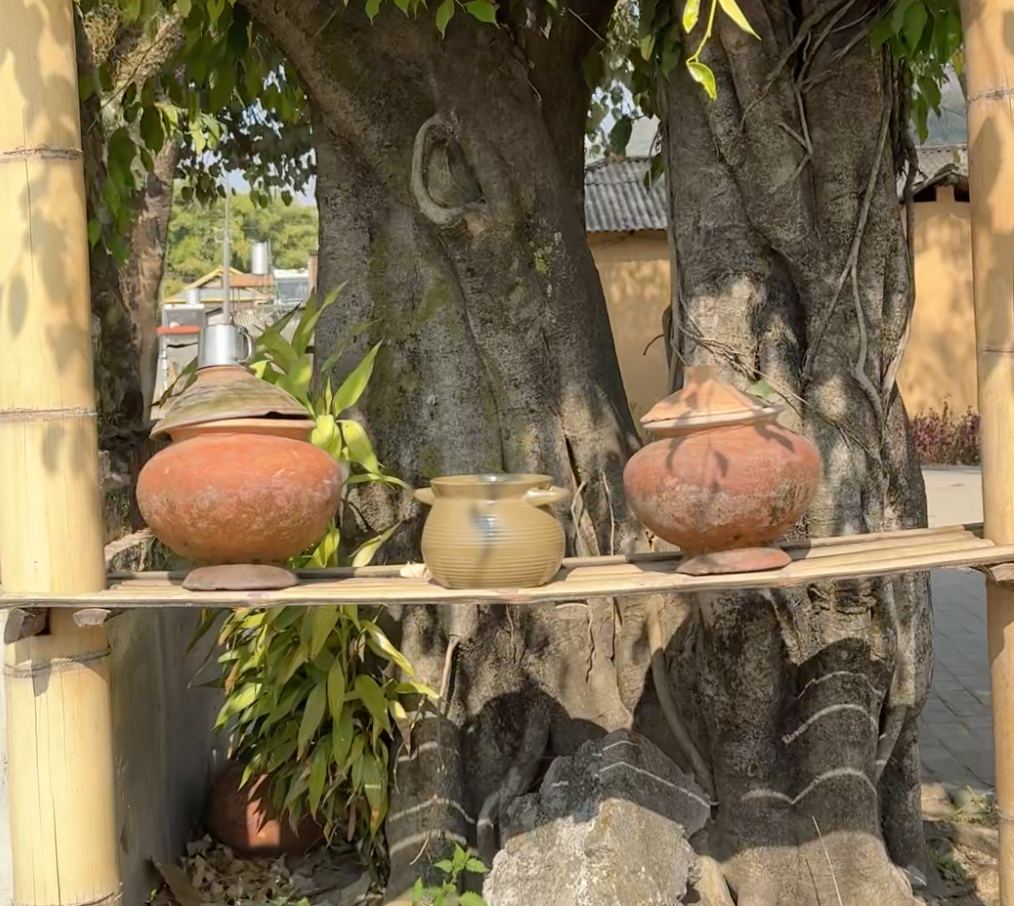
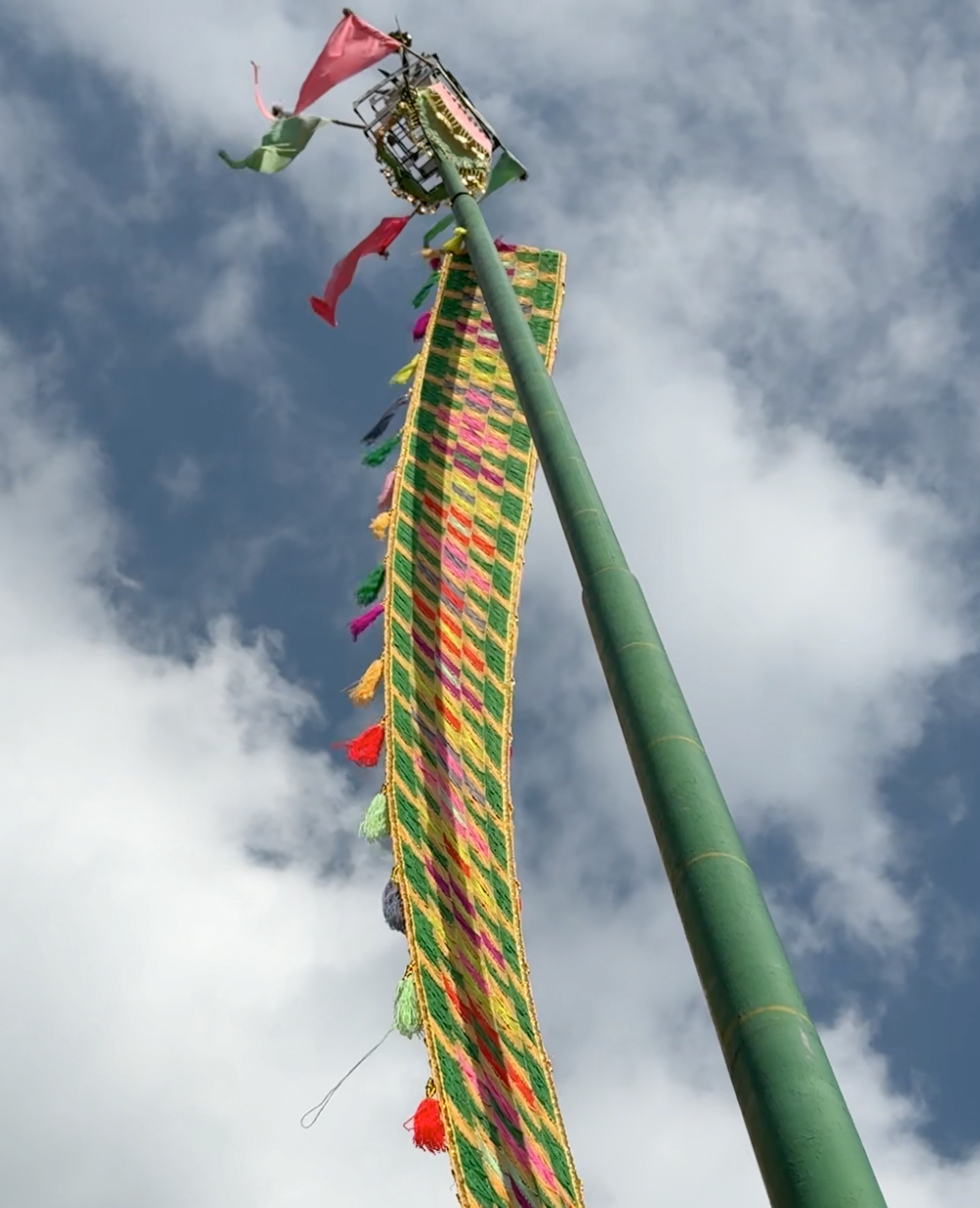
We look at how Theravada Buddhism, beliefs about the natural world and everyday routines share these spaces. Banyan and bodhi trees are respected for different reasons; weaving and family homes offer further ways to understand life on the plains.
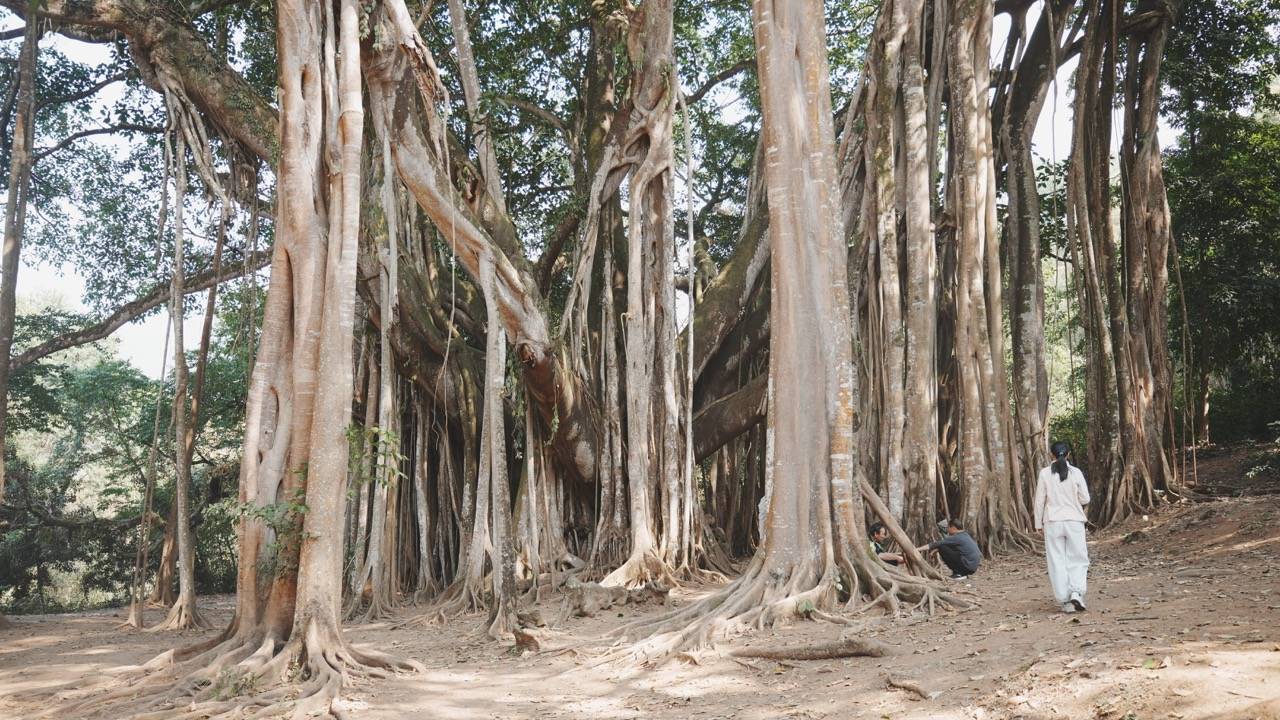
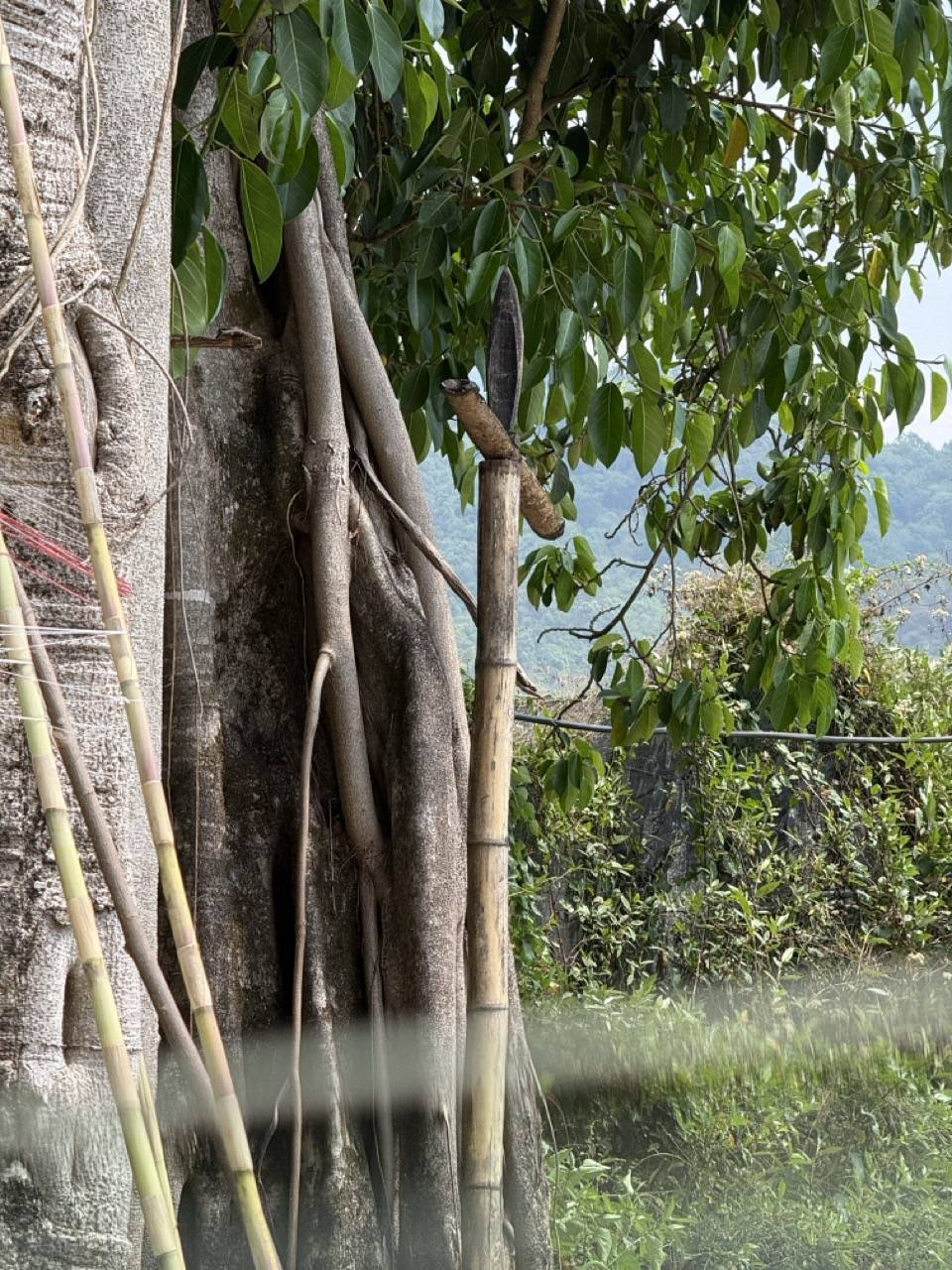
We hope you leave with more than three names. Rice farming, writing, religion, markets and daily encounters have connected these communities for generations. They remain distinct, yet their lives are intertwined.
Who this day suits
Good for first-time visitors curious about Dehong beyond its food and landmarks; families, small groups and slower travellers interested in village life, beliefs and crafts. Bring questions and a willingness to respect your hosts' pace.
This is not a staged ethnic show or a quick series of photo stops. You need to be comfortable with driving, weather changes and flexible village reception arrangements.