A day exploring Tengchong's wartime history
- Time: 09:30–18:00; meet at 09:30.
- Meeting point: the entrance to the National Martyrs Cemetery (国殇墓园).
- Price: CNY 448 per person.
- Included: transport, guiding and insurance. Lunch is paid separately, with the cost shared by participants.
- Group: three to five guests.
Many people visit Tengchong for its volcanoes, hot springs, ginkgo trees and the Gaoligong mountains. Stay another day and you will encounter a different part of the city's character.
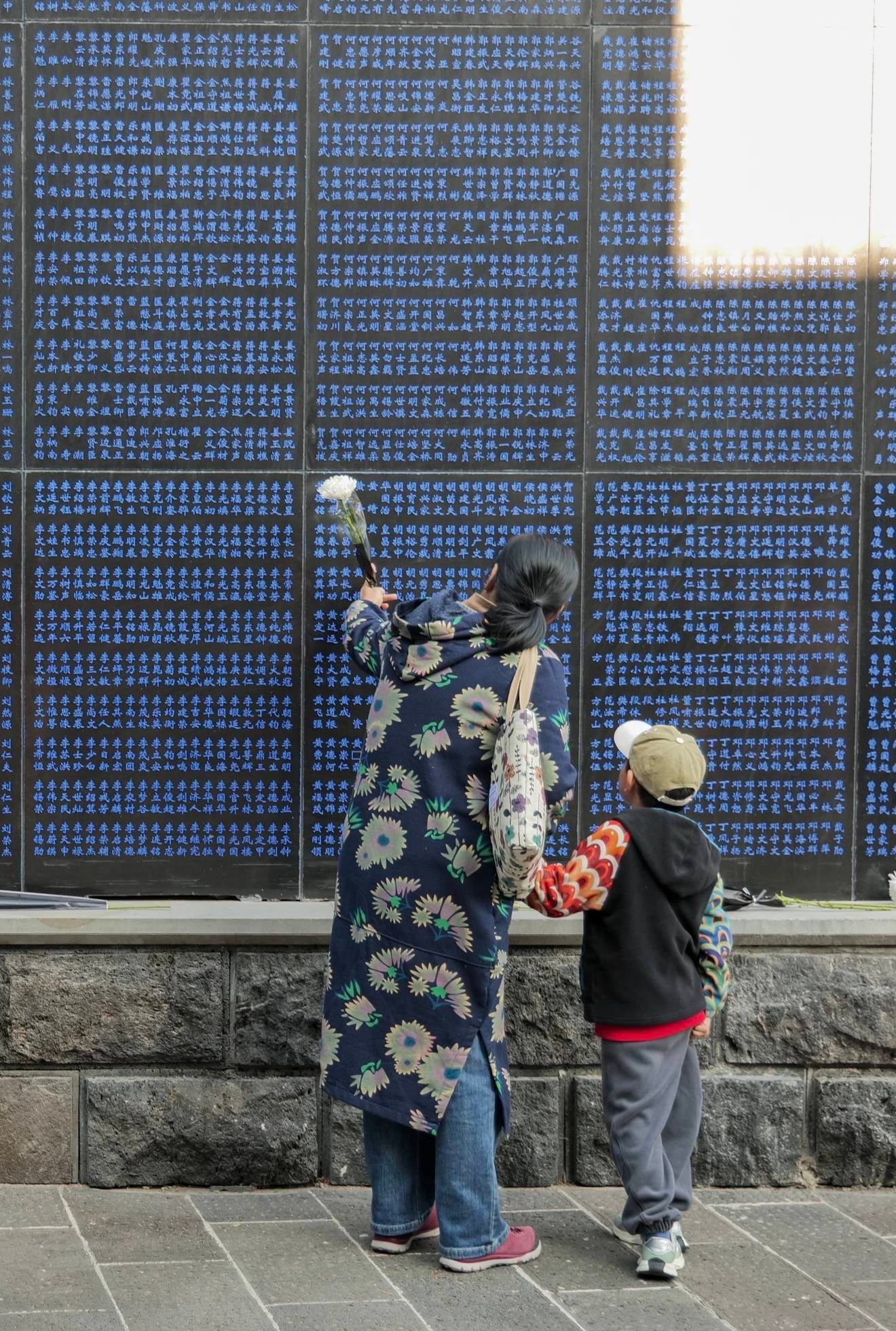
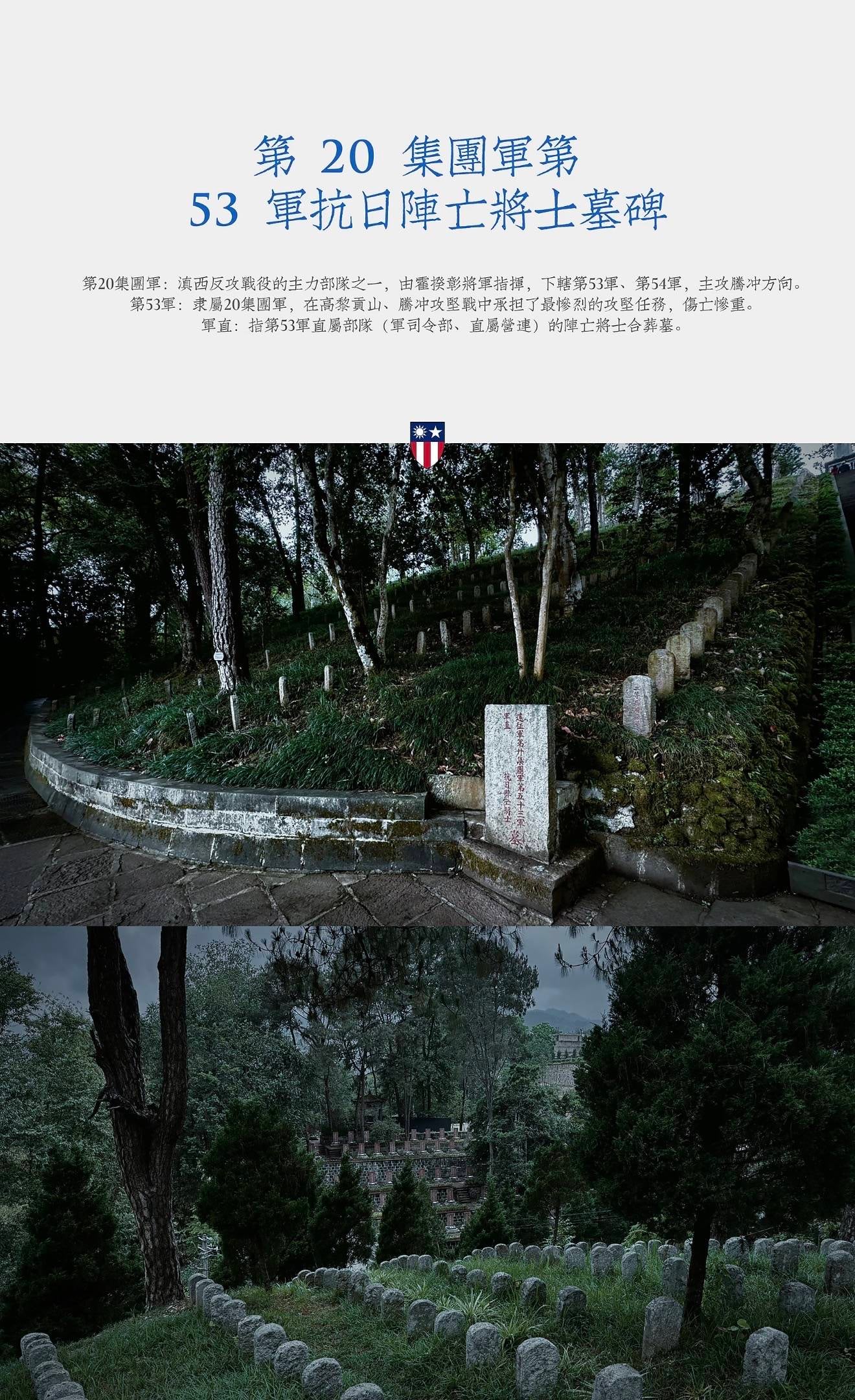
This border town was a major battlefield in the Western Yunnan campaign. In 1944, the Chinese Expeditionary Force crossed the Nujiang River, fought uphill through the Gaoligong mountains and retook Tengchong after fierce fighting. Rows of its soldiers' gravestones still stand quietly in the National Martyrs Cemetery.
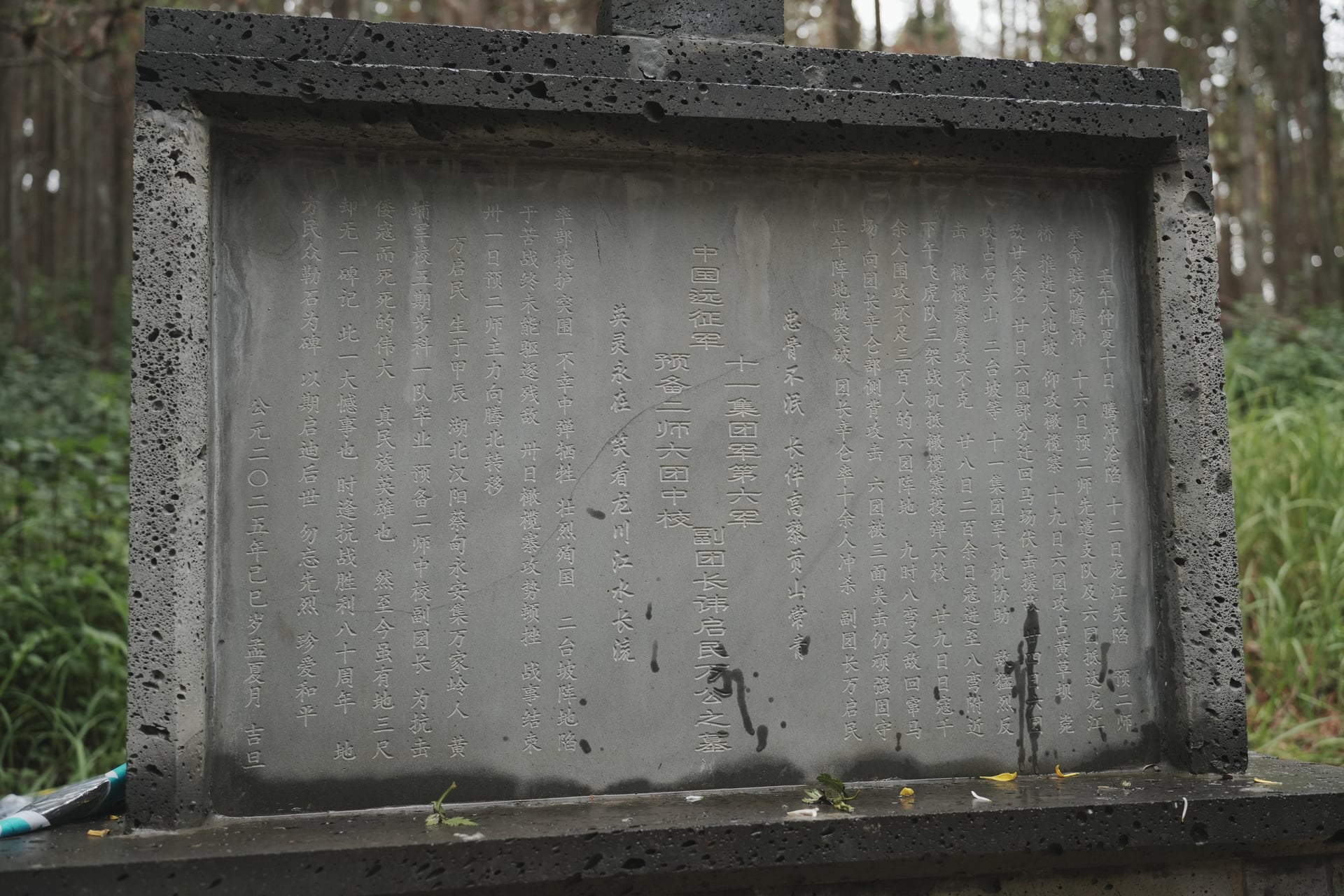
These dates and names belong to places that you can still visit.
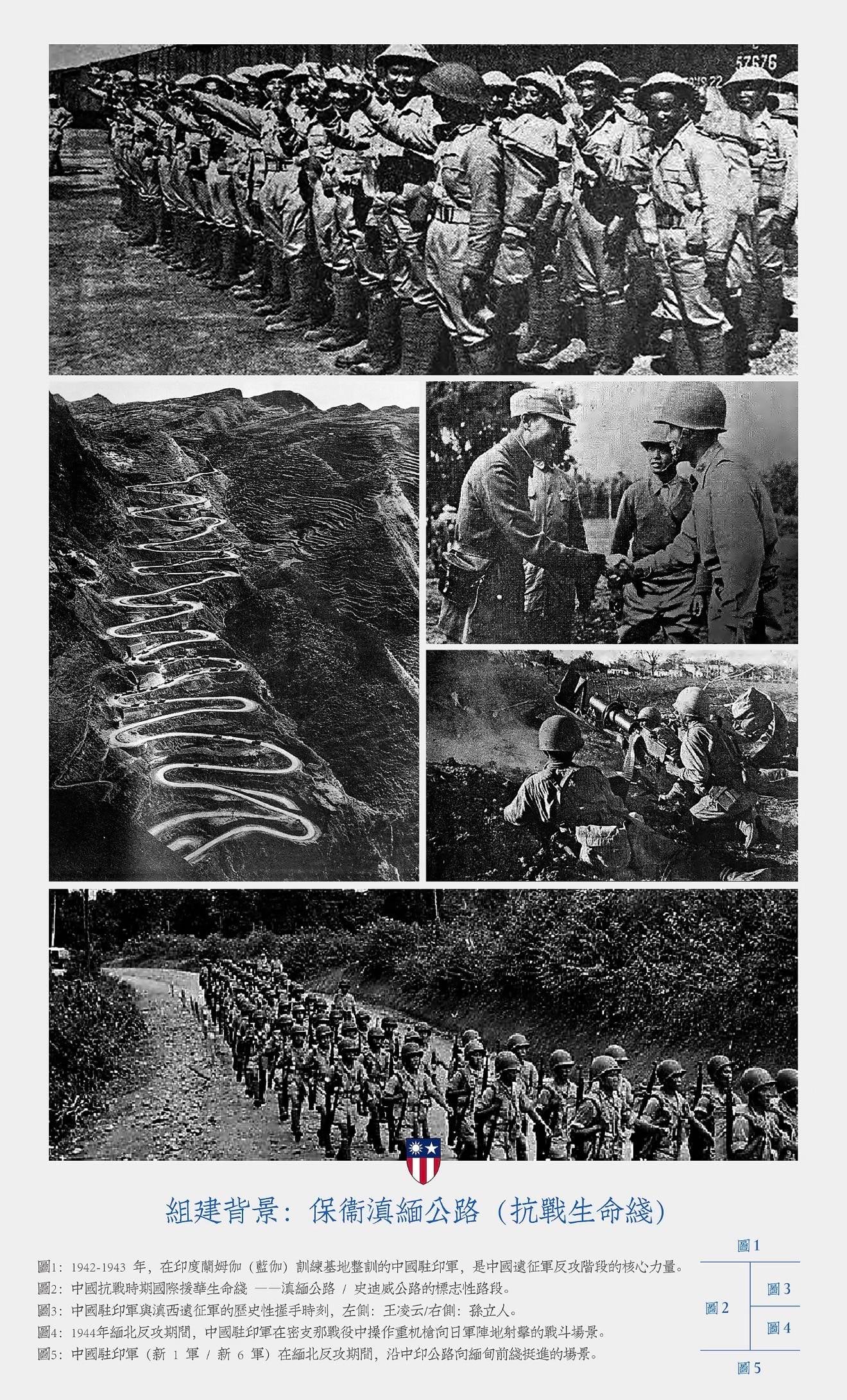
The events unfolded on mountain roads, in villages and temples, and along old routes around Tengchong. They continue to shape the city.
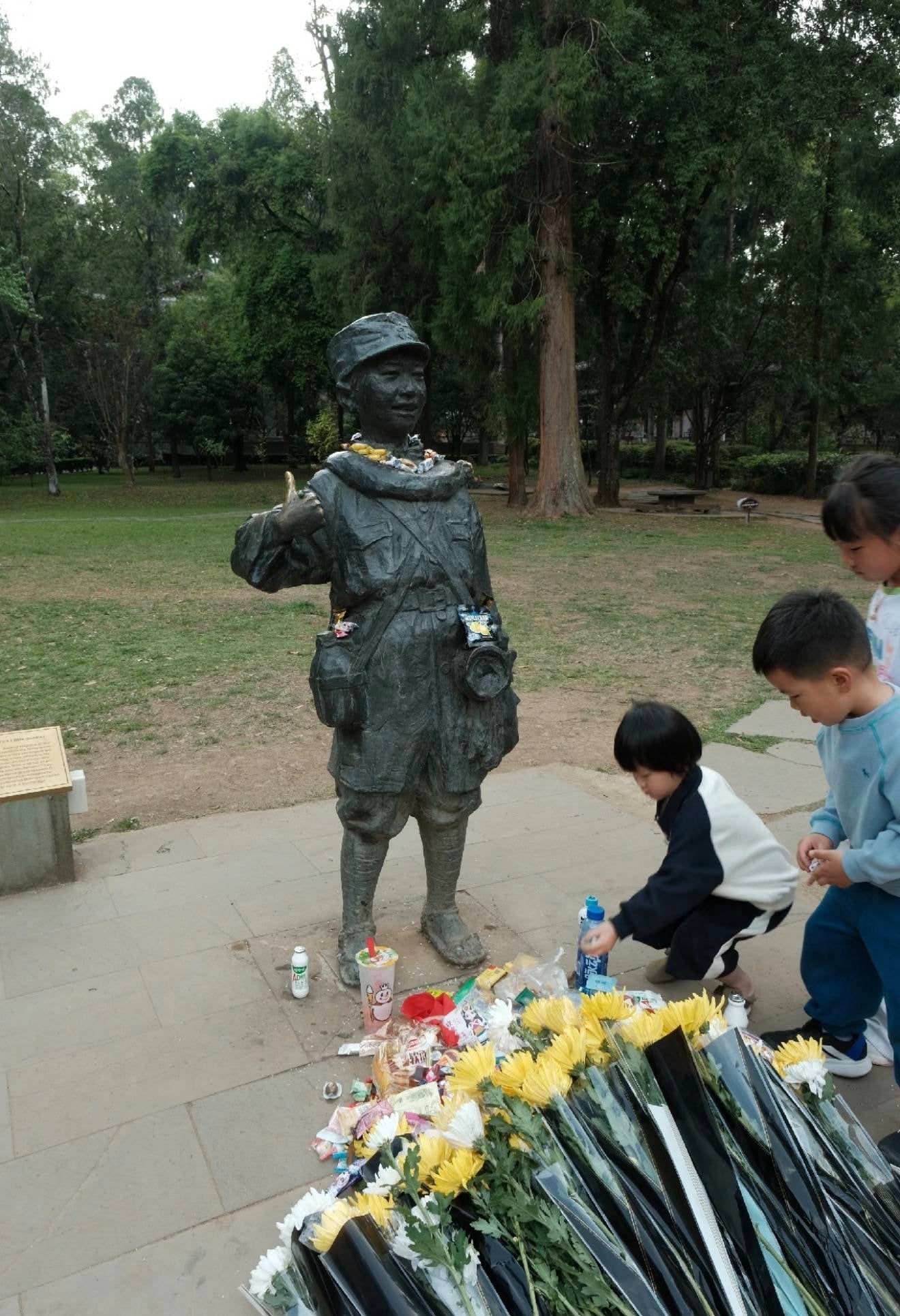
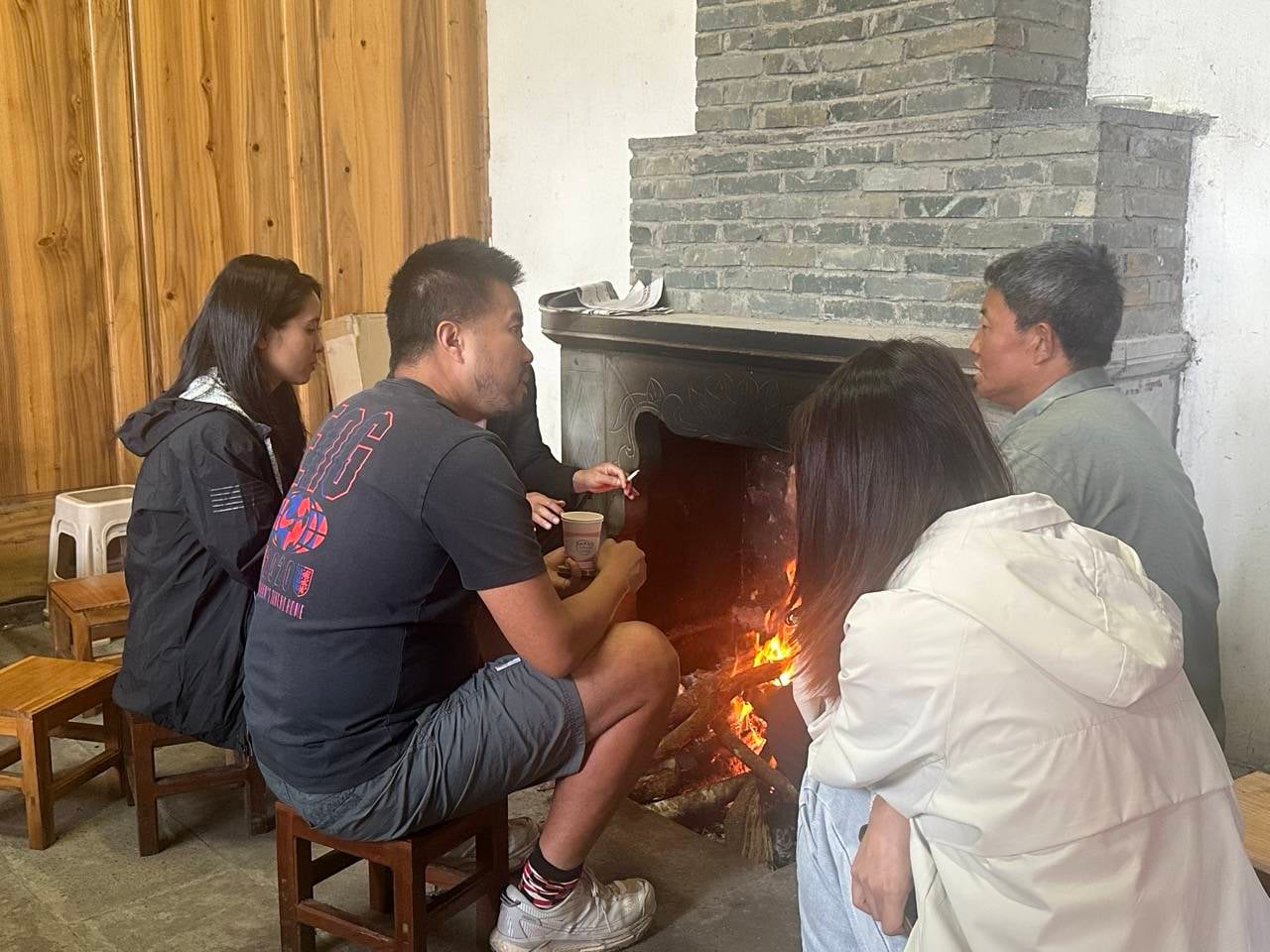
Our day is a walk through these places with a local researcher. Memorials, surviving sites, old paths and personal memories connect to the history he has spent years finding, organising and checking.
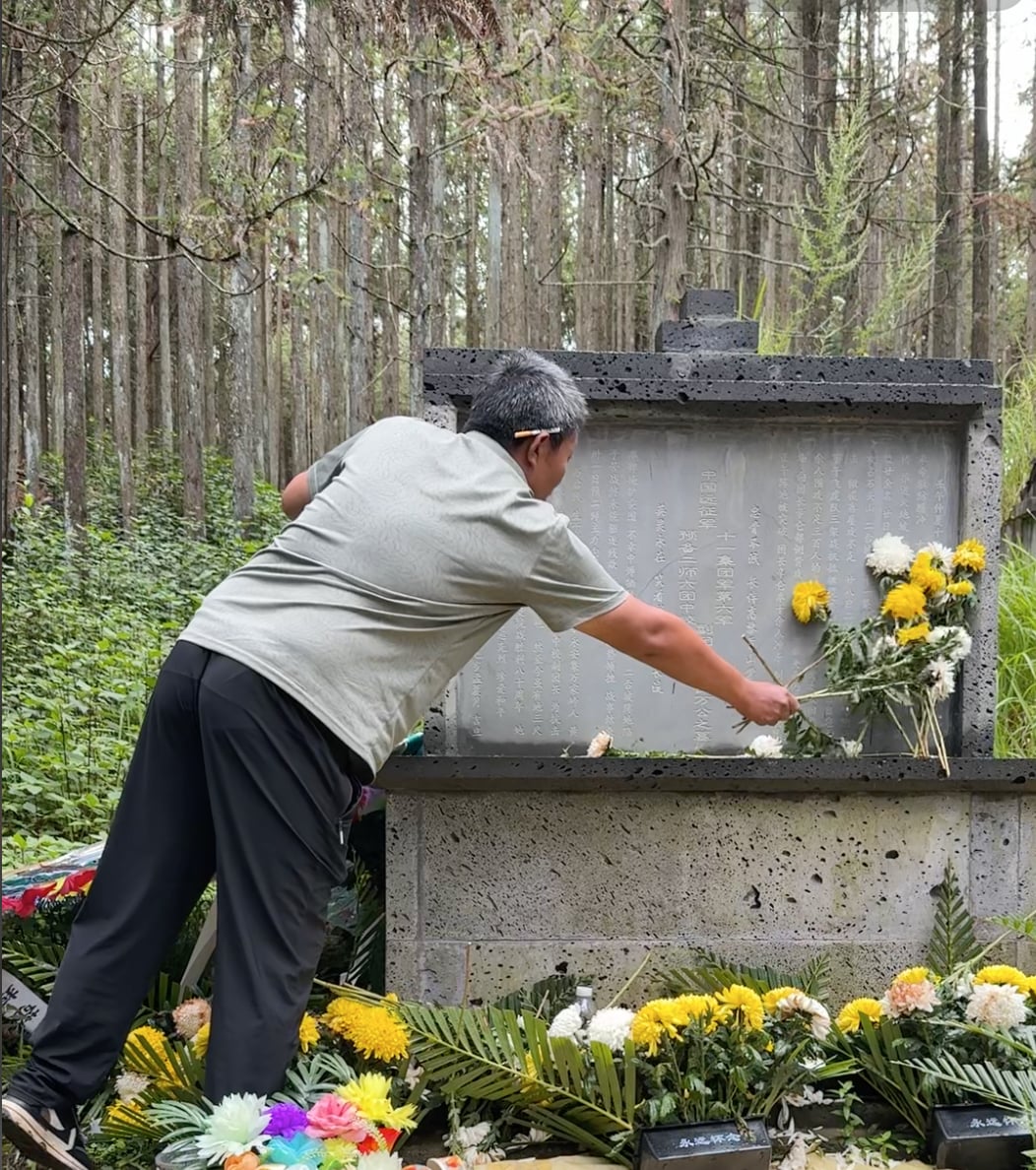
Your host is Zhou Yongpei, a Tengchong researcher who writes under the name Lai Bizi. His affiliations include the Chinese Prose Society, a certified-writer role with China Countryside, the Baoshan Poetry and Couplet Society, historical research for the Tengchong CPPCC and the Tengchong Western Yunnan War Culture Research Society.
He has spent more than thirty years studying local culture, including the Southern Silk Road, Tengchong tea culture and the war in Western Yunnan. Leading tours is not his main occupation.
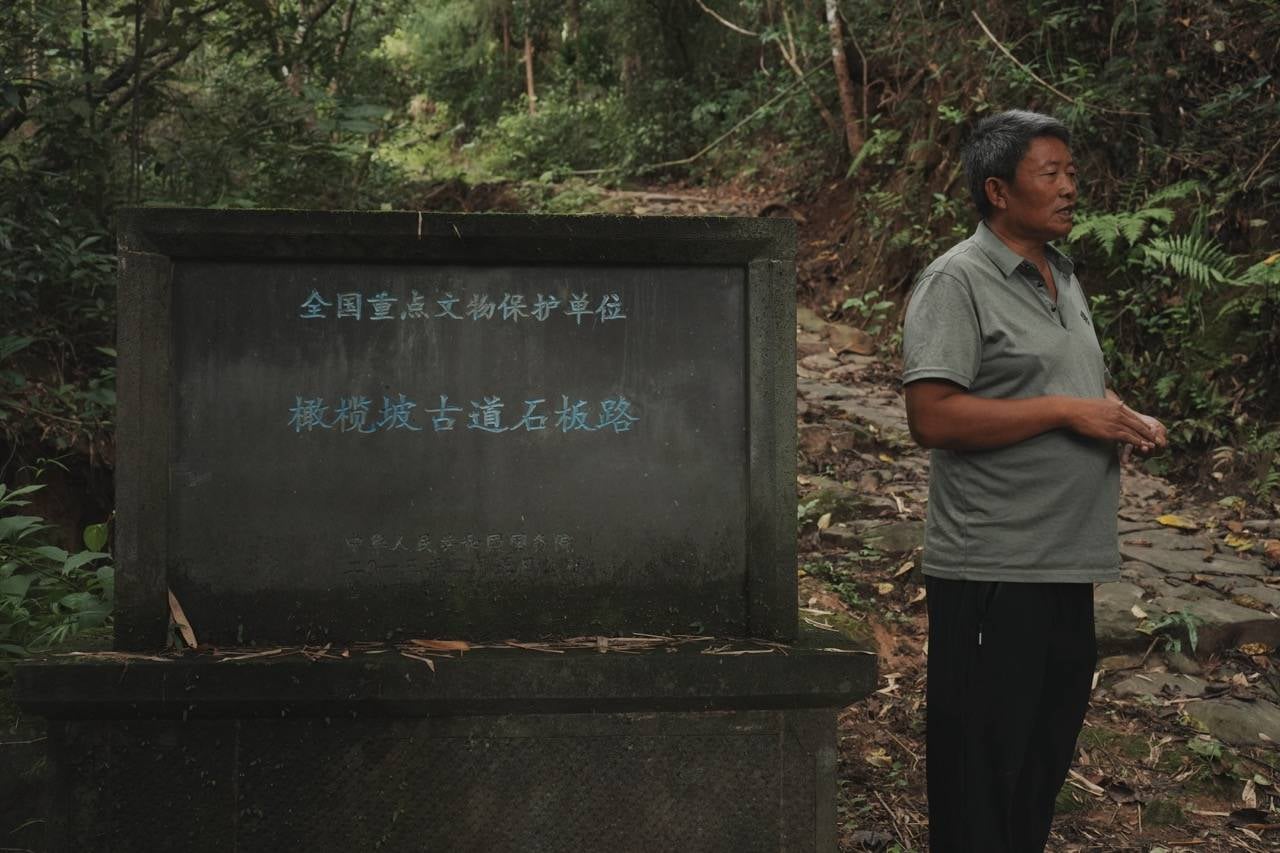
His willingness to return to these places comes from a longstanding interest and sense of responsibility. The group is limited to five guests.
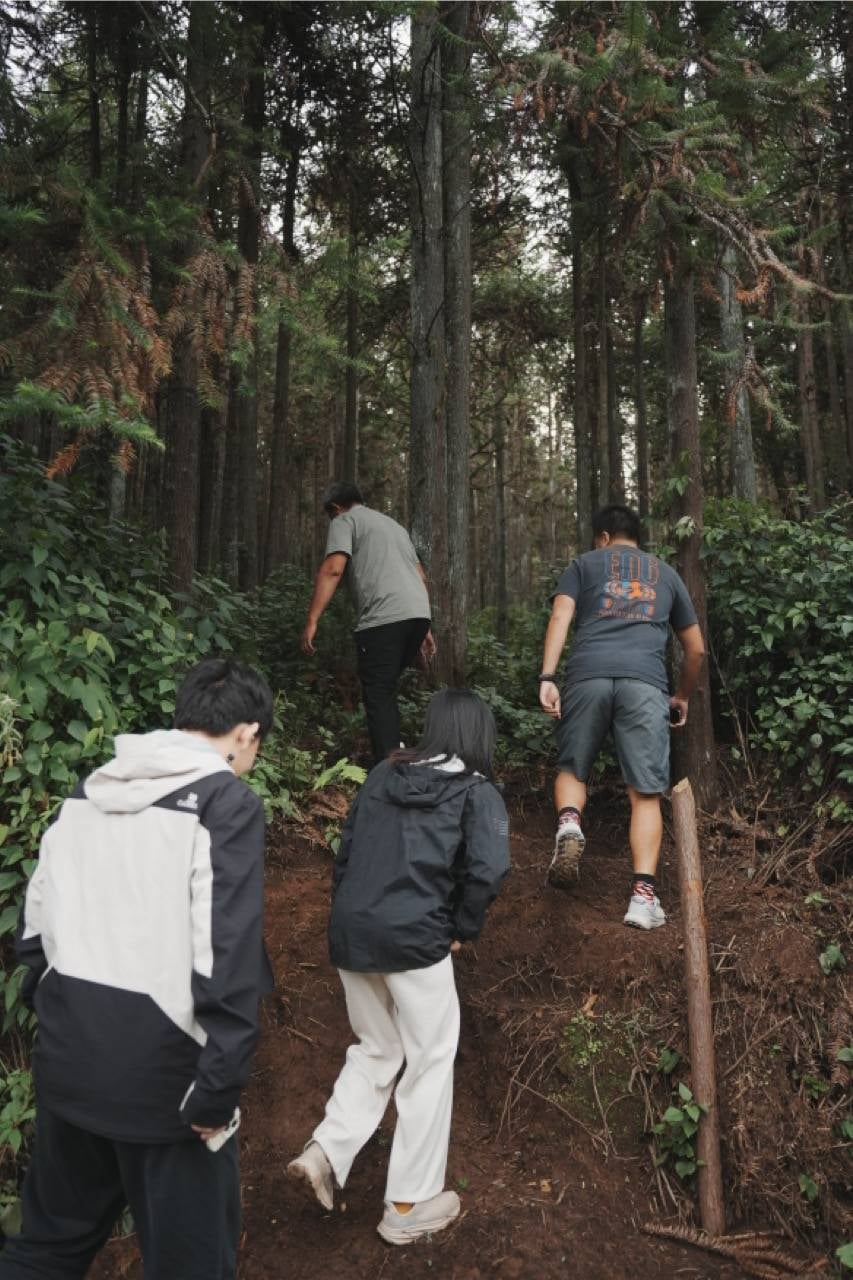
A small group allows conversation, pauses and questions to shape the day. The value lies in detailed local interpretation and time in the field, rather than the number of attractions visited.
Places we may visit
Roads, weather, opening arrangements and the pace on the day determine a selection from:
- The National Martyrs Cemetery and Western Yunnan War Memorial Museum.
- Ganlanzhai's wartime sites, associated with the first shots of the Tengchong campaign.
- Huangcaoba wartime airfield and surviving trenches.
- Sections associated with the Stilwell Road.
- The Longjiang chain bridge.
- The overlapping paths of the Expeditionary Force route, Southern Silk Road, Xu Xiake's route and Ganlanpo ancient road.
- Ganlu Temple, the former field hospital of the 54th Army, and related sites.
We spend time at selected places instead of rushing through every location on the list. The aim is to understand a few important sites well within one day.
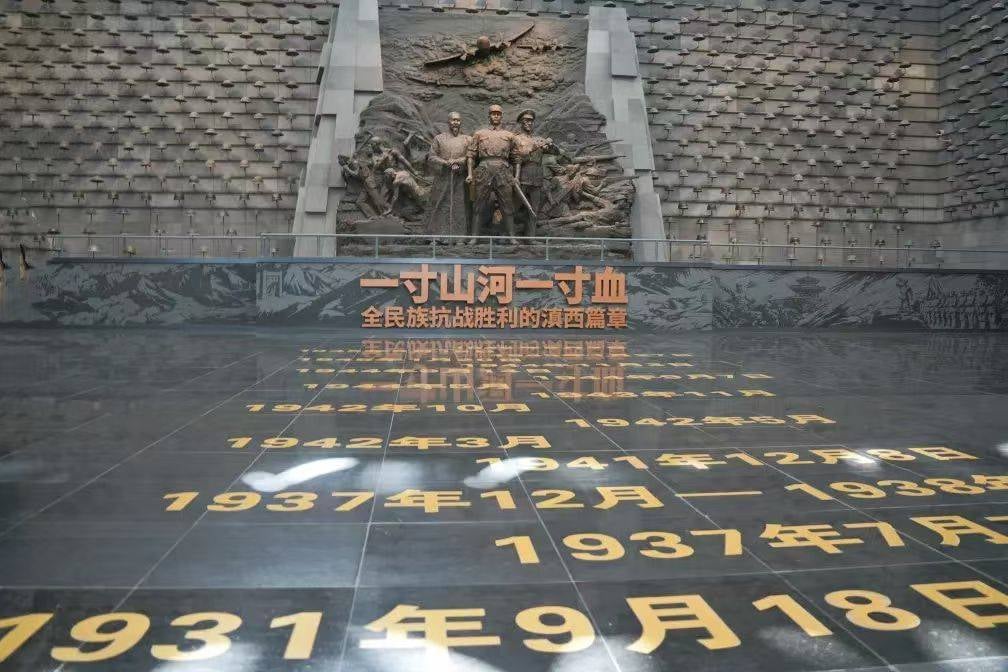
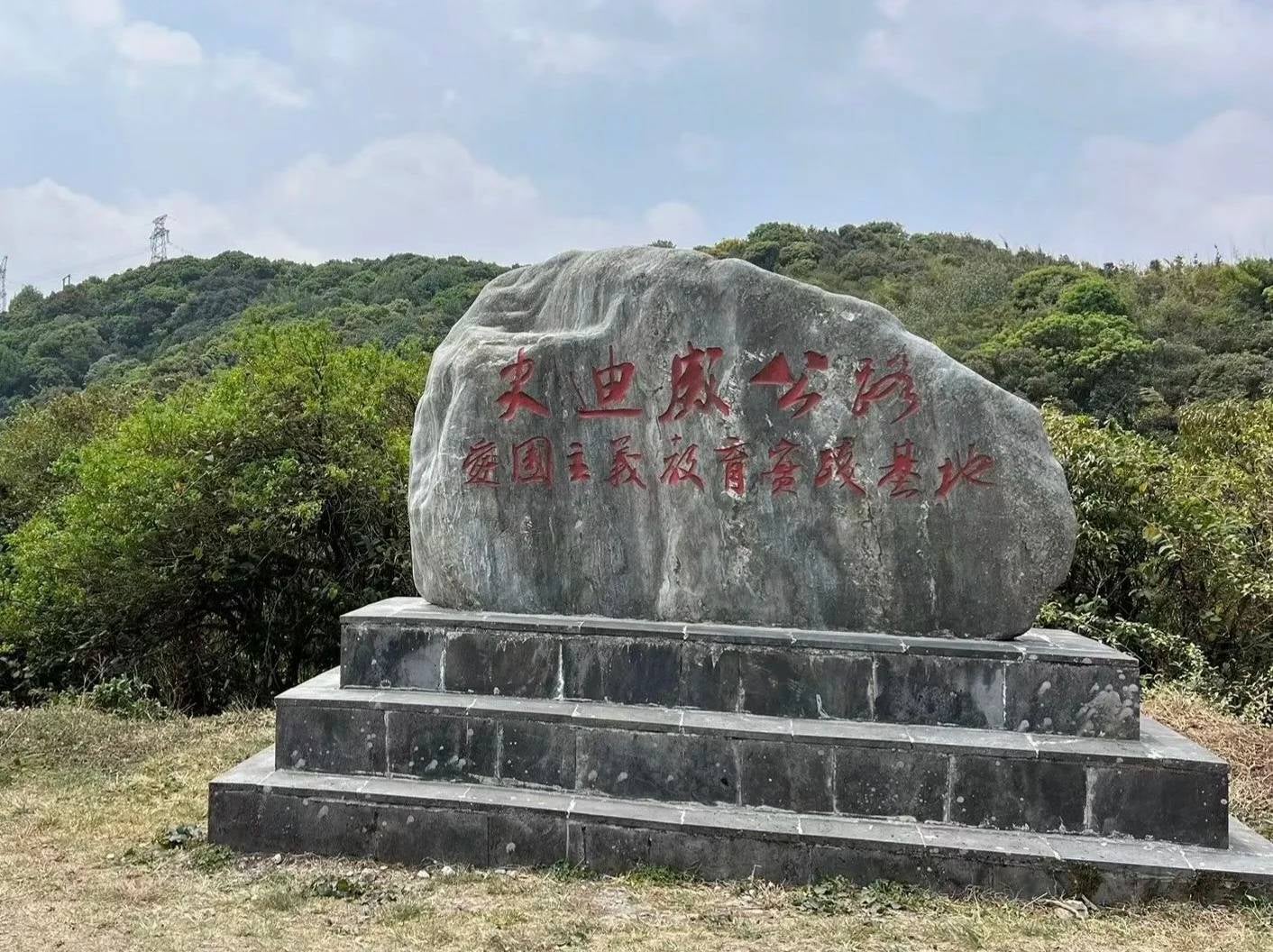
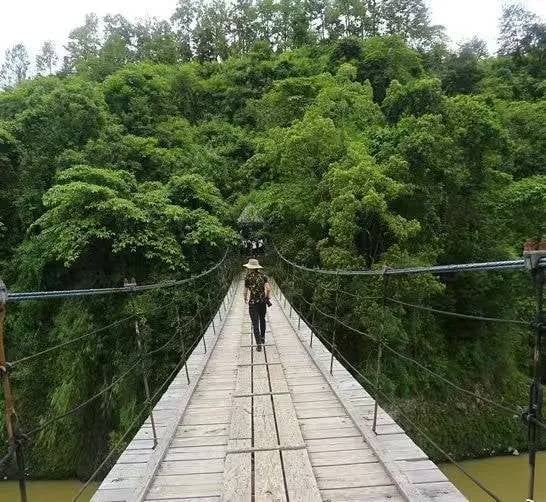
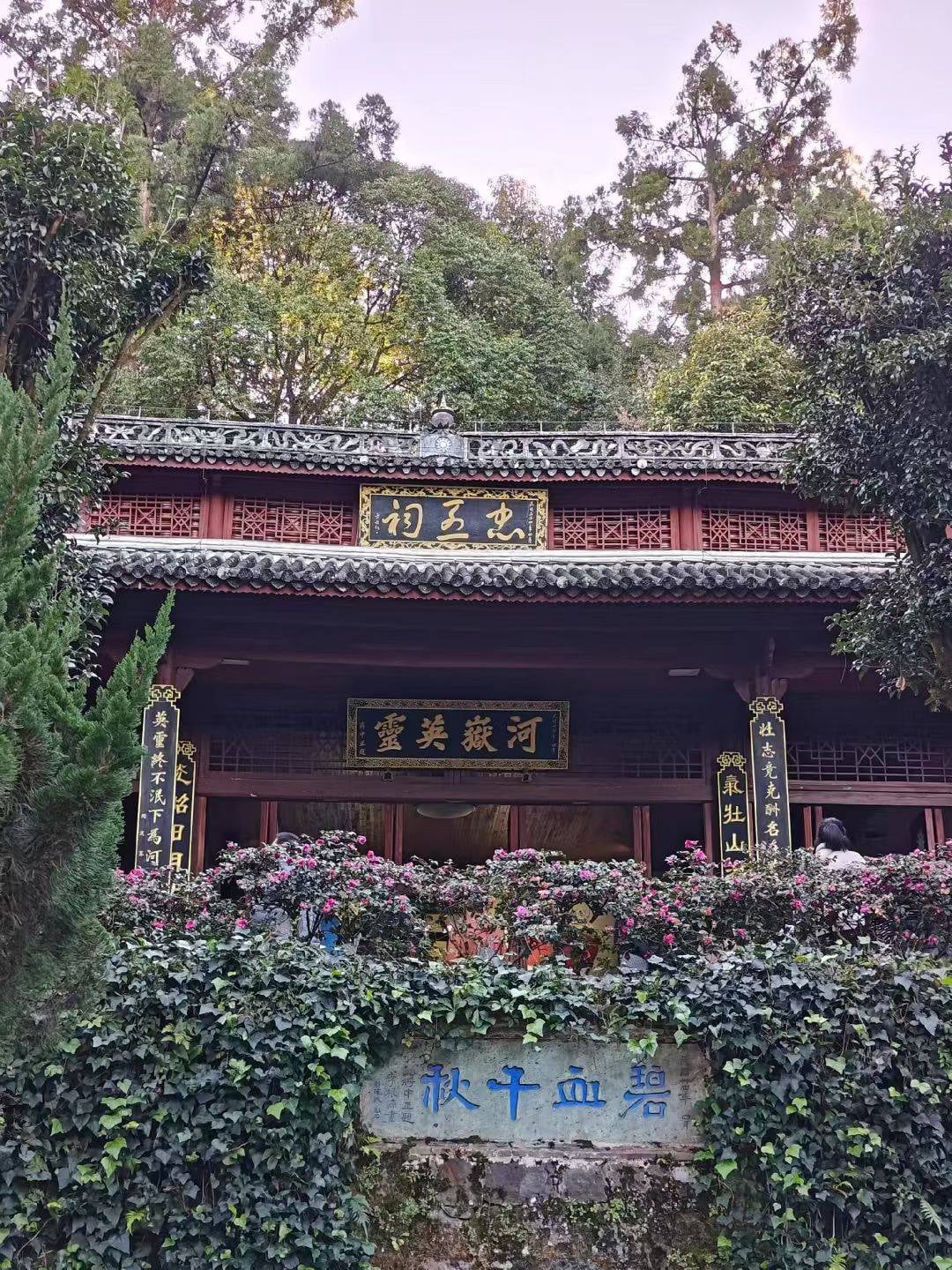
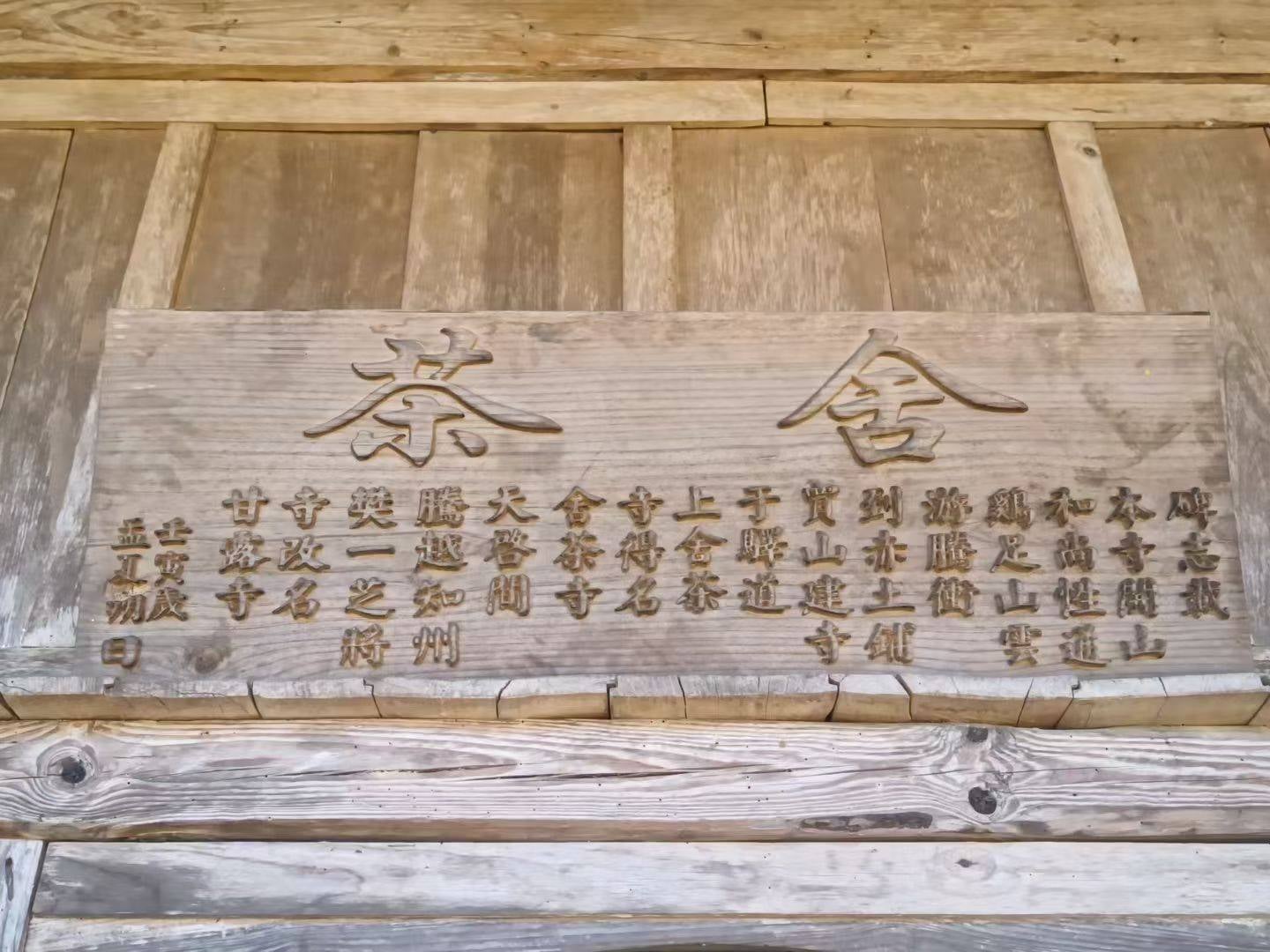
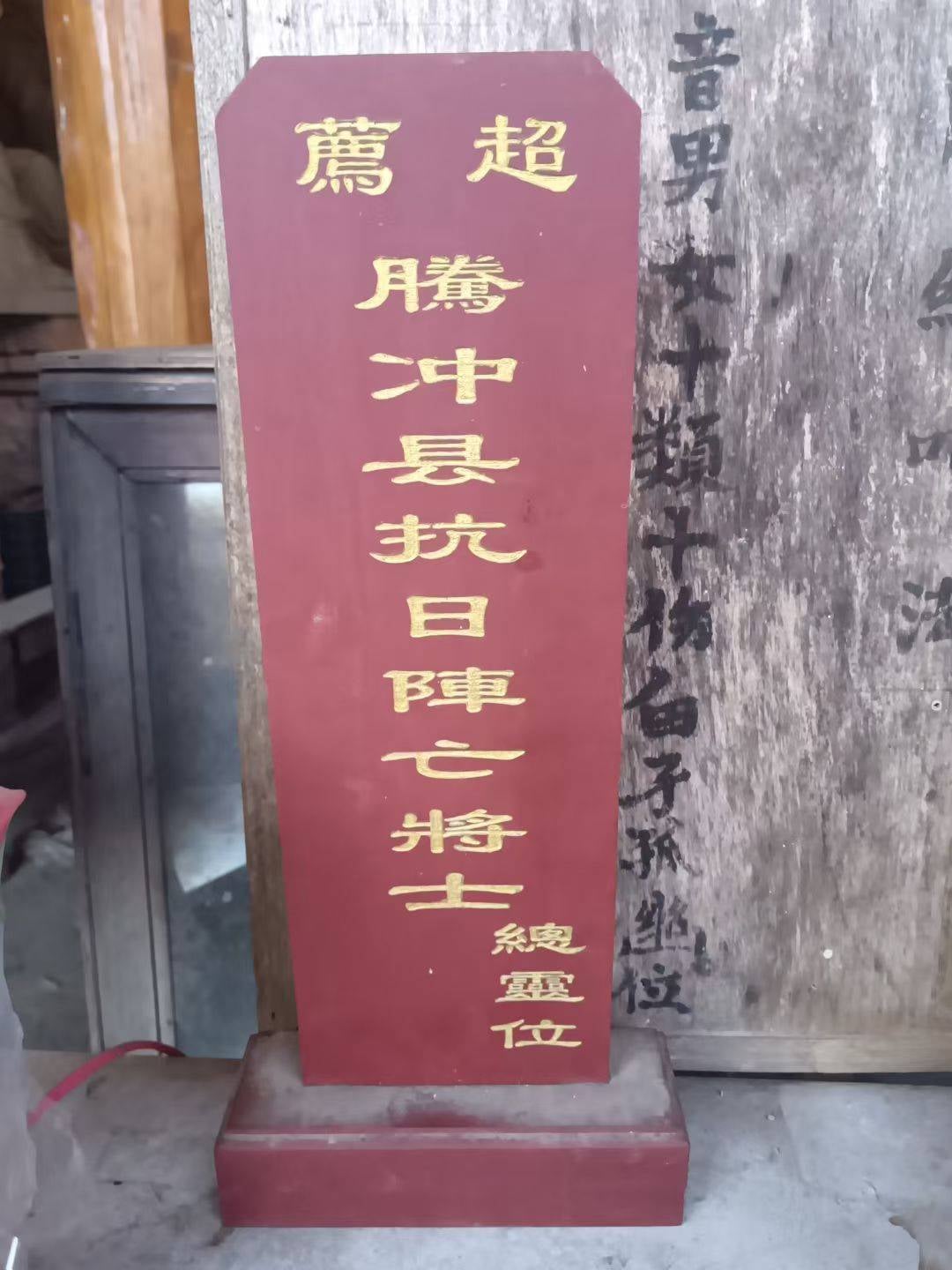
If health and arrangements permit, we may also meet an elderly witness or someone who preserves local memories. This is not guaranteed: their age, health and ability to receive visitors come first. When a conversation is possible, a few ordinary words can stay with you longer than a museum display.
Why families may find it meaningful
This day also suits families with children who can listen, ask questions and walk quietly through a full day of visits. History learned in a classroom can become more tangible beside names on gravestones, surviving objects and paths once walked by soldiers. War changed this city, families and the lives of ordinary people.
Adults and children can use the places themselves to discuss home, responsibility, choices and what people do in difficult circumstances. It is an experience to share, rather than simply a lesson for children.
Who it suits
Travellers interested in Tengchong's history, culture and wartime memory; older visitors who want to understand more than the scenery; families whose children can listen, walk and visit respectfully; and anyone willing to spend a day exploring history at a thoughtful pace.
It is less suitable for quick photo stops, guests unwilling to listen or enter memorial spaces, or very young children who cannot visit quietly or find difficult wartime subjects distressing.
Expect a quiet day of walking and conversation, through both the city's wounds and the sources of its resilience.