Introduction
Dali is hard to leave out of a Yunnan trip. It is also a place where some 600,000 newer residents have been trying out different ways of living. With Cangshan behind Erhai, its landscapes are something everyone can enjoy.
Since the television series Meet Yourself became popular, annual visits have approached 100 million. Busy holidays, traffic and commercial development have understandably shaped some visitors' impressions.
Our team has lived in Dali for five years. The place continues to give us ideas and energy, and we hope this guide helps you find its nature, culture and everyday life for yourself.
Use the sections below to find somewhere to stay, choose experiences, understand the geography, eat well, and explore markets and village communities. Contact us if you would like help.
01 Places to stay
These hotels and guesthouses are places Zhengfei has tried, selected for value within their category. Choose your dates and room type on Trip.com/Ctrip, then send us a screenshot of the quoted price to ask about our partner rate.
Zhang San's Song seafront guesthouse (张三的歌海景民宿): rooms face Erhai, with broad lake views and convenient access to S Bay and Xizhou. Friendly staff, clean rooms and shared spaces make it a comfortable holiday base.
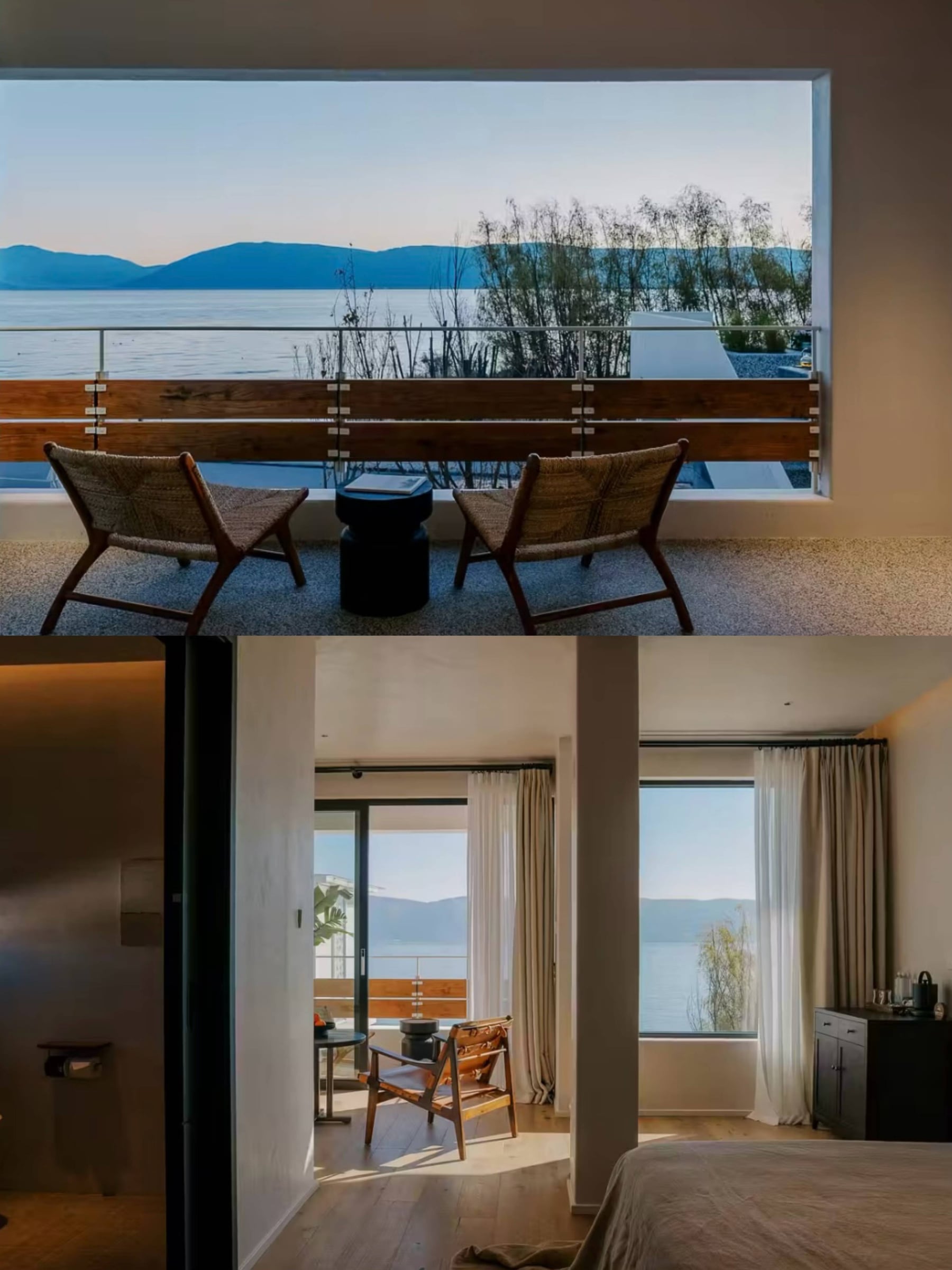
Kong Yuanzi (空院子隐奢度假酒店): good-value countryside accommodation between Cangshan and Erhai, relatively close to Dali Old Town. Its design brings Bai architecture together with Japanese-style courtyards. Spacious, clean rooms suit visitors looking for quiet rather than a busy commercial setting.
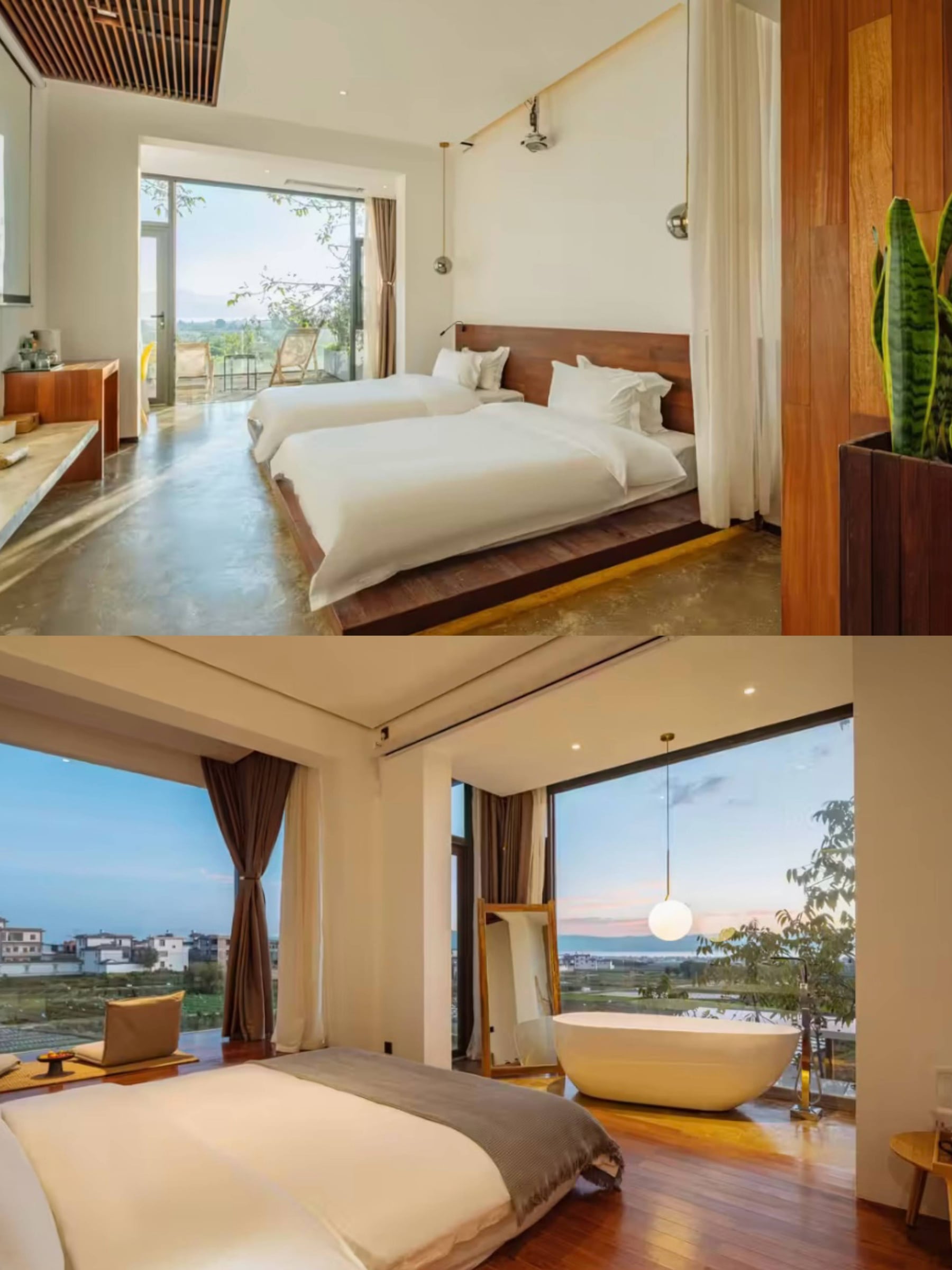
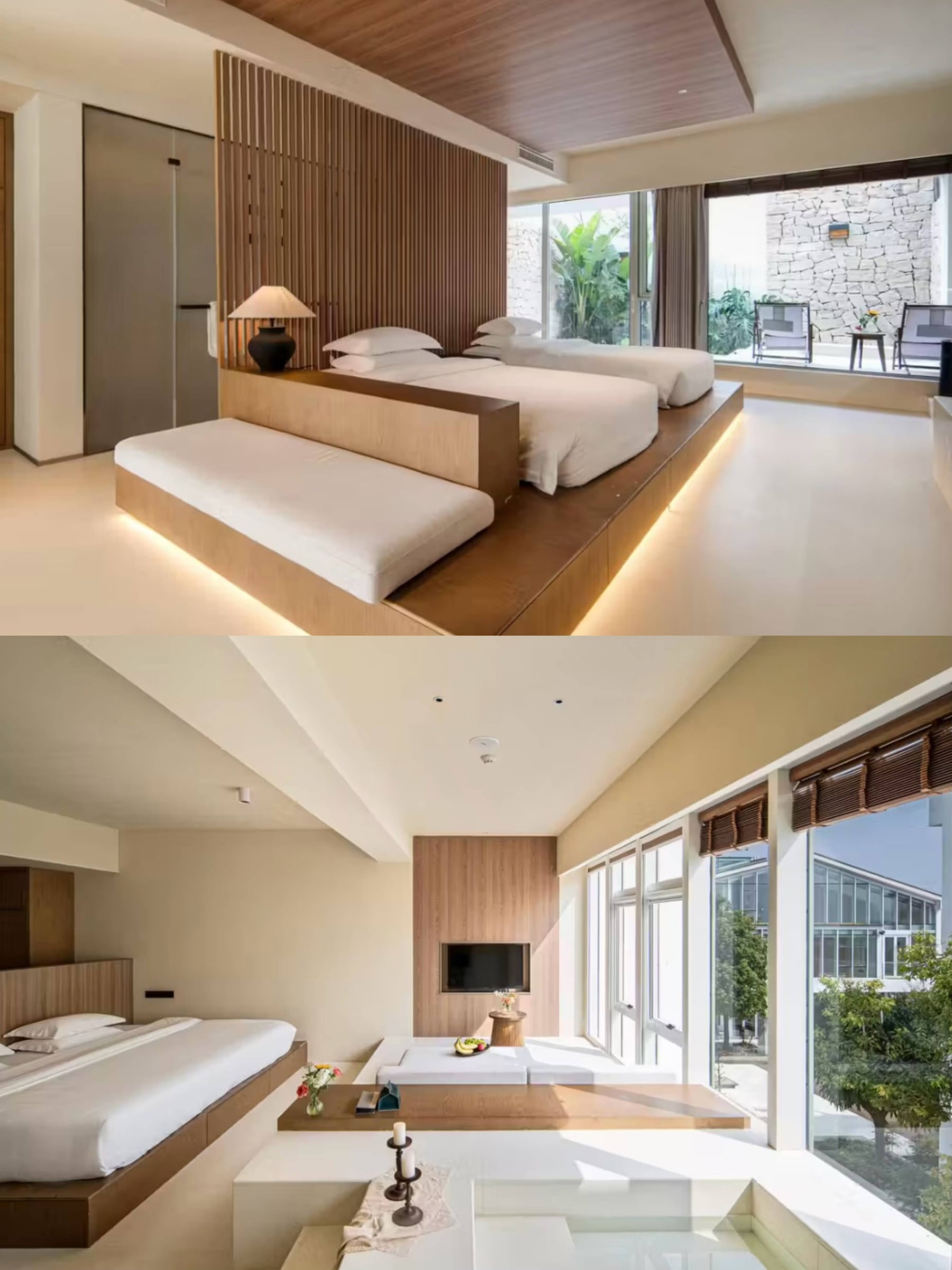
Cangshan No. 1 (苍山壹号): a quiet village setting below the mountains, described in our guide as roughly ten minutes by car from the old town and Xizhou. Thoughtful buildings and gardens, attentive butler-style service, generous rooms and, in some categories, beds up to 2.8 metres wide.
02 Experiences we love
After five years living here, these are the sides of Dali our team keeps returning to.
Cangshan and Erhai
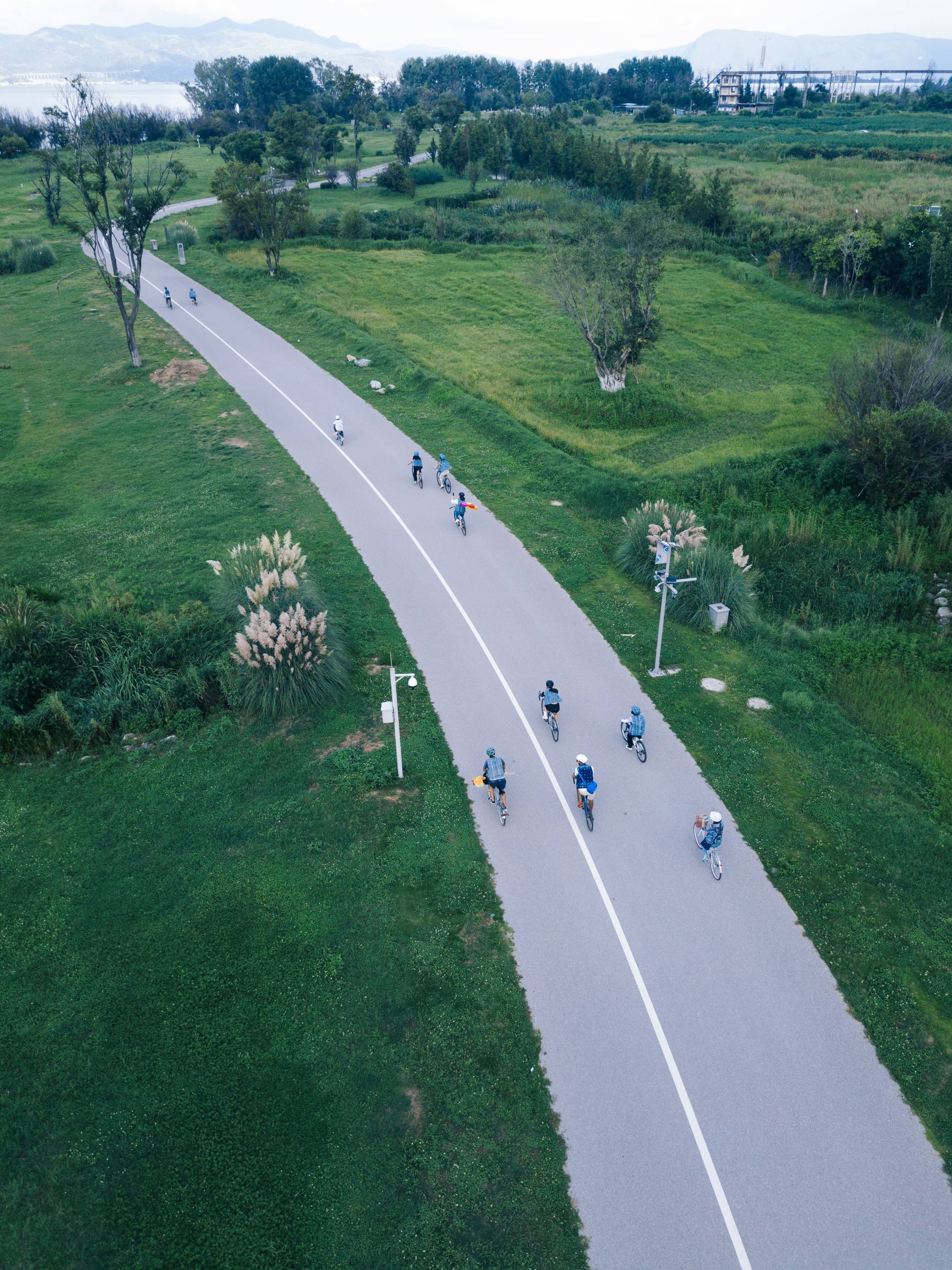
Cycle the Erhai ecological corridor to enjoy the landscape created by a major restoration project. Every stretch has something to offer; you do not need to join the crowds at Caicun or Longkan. We recommend Majiuyi for fewer visitors, gulls and trees standing in the water. Ride either towards the old town or towards Xizhou.
Shared bicycles, electric bicycles and group electric vehicles can be hired by scanning a code. Check the bicycle's condition first. If an electric hire vehicle refuses to register its return at the designated point, the local 12345 service can help with a complaint and deposit recovery. Villagers also hire out bicycles at corridor entrances; our guide quotes around CNY15 in the quiet season, with busier-season prices negotiated locally.
Join Zhengfei's Dali cycling activity to meet some of the people exploring different lives behind this familiar mountain-and-lake view.
Nature and culture together
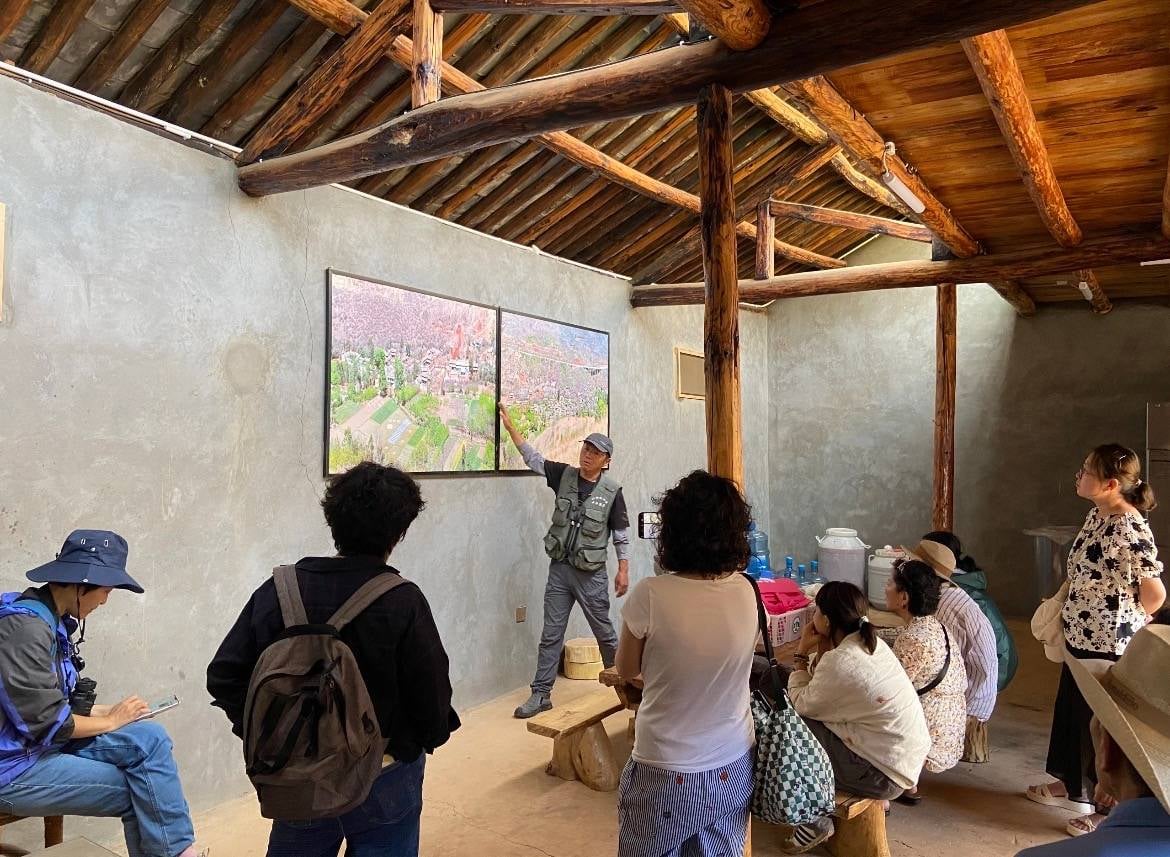
Old temples hide among Cangshan's forests. Jizhao'an is well known, but we particularly recommend Wuwei Temple, associated with more than ten kings of the Dali Kingdom who entered religious life. A visit can bring together a gentle forest walk, Erhai views, afternoon tea and wildlife photography.
Try this relaxed loop: start at Wuwei Temple's main entrance, walk to the temple, look around, join its silent vegetarian lunch, take the rear path down to Wuwei Shanju for tea with lake views, and finish at the Cangshan Image Museum.
Book the temple meal a day ahead on 15752790709 / 13577862895, and arrive before noon. Wildlife photographer Xi Zhinong established the image museum on his family's homestead; its wildlife photographs are a highlight.
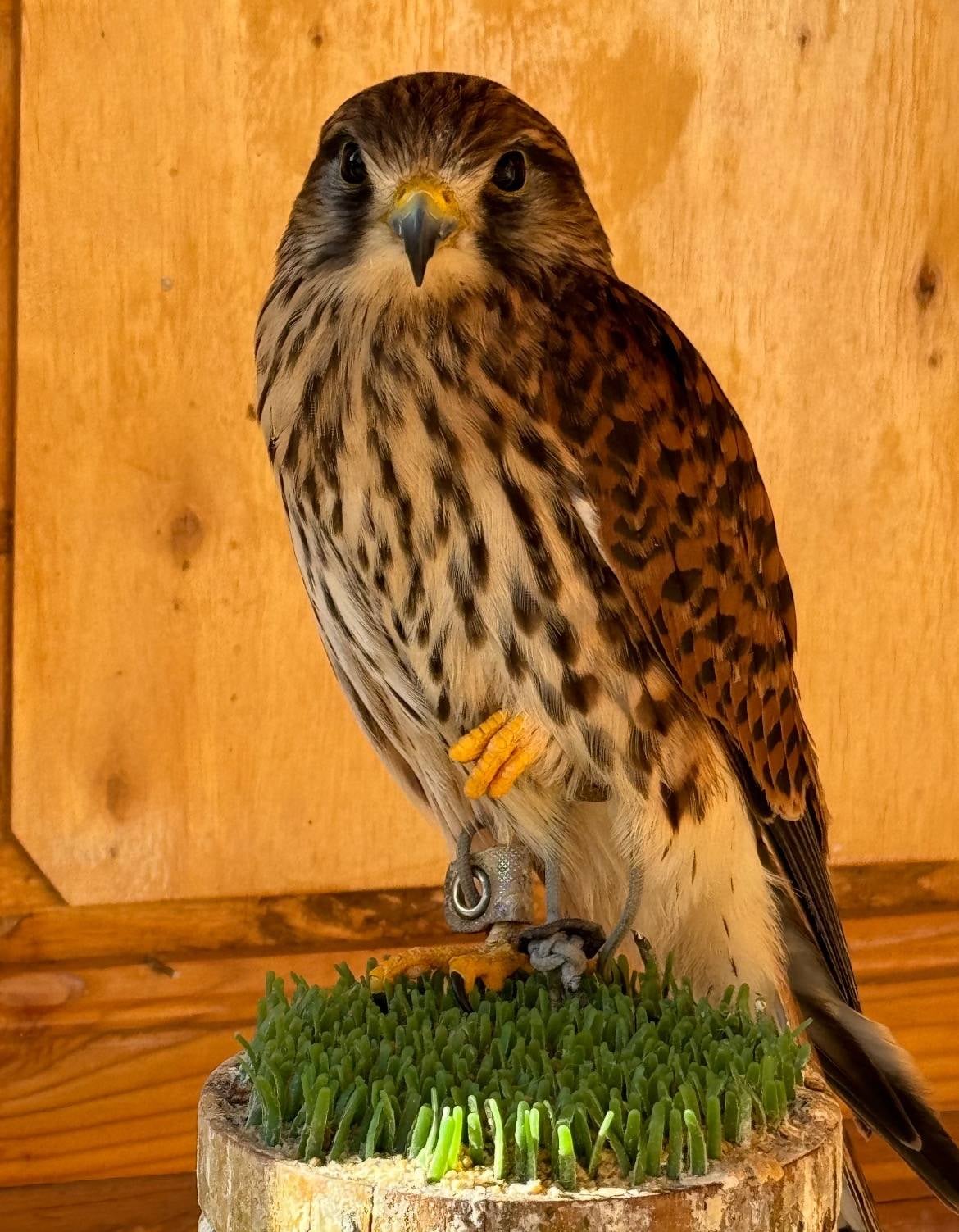
Our owl-village and art activity explores a village inhabited by eight kinds of raptors, then visits artists' homes and studios. It connects the habitats of birds with the lives and creativity of their human neighbours.
Bai heritage and everyday rituals
Visit Bai villages and take part respectfully in daily life to understand more of Dali's slower rhythm. Near the old town, Xizhou and Zhoucheng are particularly rewarding. Xizhou was home to wealthy trading families of the Tea Horse Road; despite growing visitor numbers, its buildings and residential life remain worth exploring.
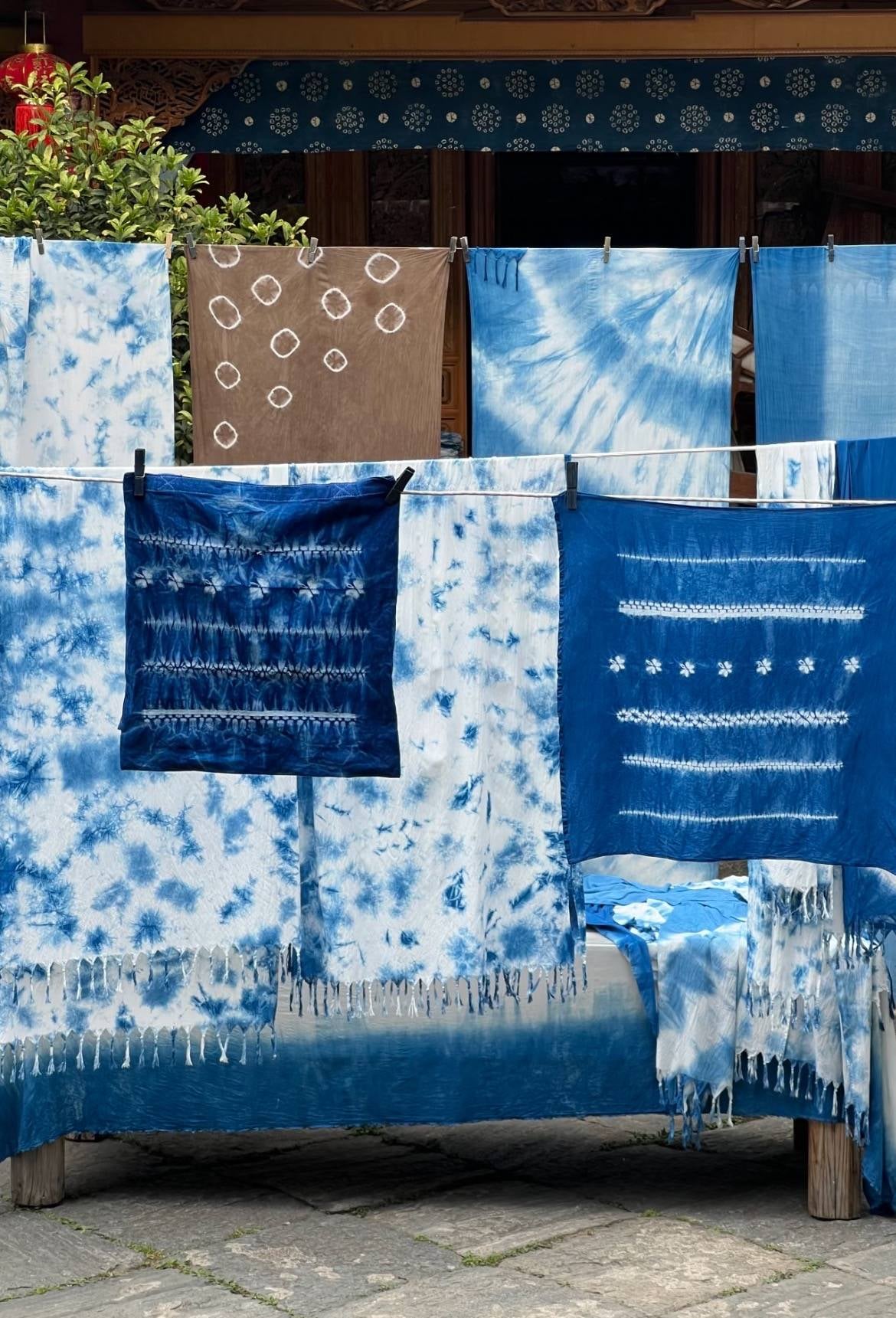
Nearby Zhoucheng is a major Bai village and a centre of tie-dye. Beyond its shops are temples, old buildings and a theatre more than 150 years old. Look for Benzhu community-deity temples, places bringing Confucian, Buddhist and Taoist traditions together, and smaller shrines to the land and dragon kings.
Two tie-dye stops stand out: Lanxu (蓝续扎染), which links sustainable local culture with plant dyes and new ideas, and Puzhen Tie-Dye Museum (璞真扎染博物馆), whose free museum shows the craft in remarkable detail.
Zhengfei works with The Linden Centre (喜林苑) on a Xizhou activity. See our miniapp for its introduction, or ask our team for a Xizhou city-walk guide.
Sunset over the lake
Watch from Erhai's eastern shore as the sun drops behind Cangshan. Clouds and water take on warm colours while the mountains divide the sky from its reflection. Options include Huoshan behind Shuanglang, the hillside viewpoint above Sanwenbi village, and wetland woodland along the shore.
A car or driver is useful on the east side. Agree the full terms before booking: low headline prices may involve shopping stops or overtime charges, quoted in our guide at CNY50–100 per hour beyond eight hours. A relaxed circuit can take nine to ten hours. Zhengfei can help arrange a ten-hour drive without extra shopping and suggest quieter stops.
Our Muxiangping walk follows a local pilgrimage route, with views across Cangshan and Erhai towards Jizu Mountain and Jade Dragon Snow Mountain, finishing at a sunset spot arranged by the team.

Different ways of living
Dali's newer residents bring many experiments in work, art and daily life. Getting to know a community takes time, but markets offer an easy first look.
Bedsheet Factory market: our guide lists weekends, 10:00–22:00. It has become busier and more commercial, but people pursuing their own ideas are still part of it.
Su Fangzhou market: usually twice a month, with dates varying by theme. Expect people involved in vegetarian food, meditation, yoga and related practices.
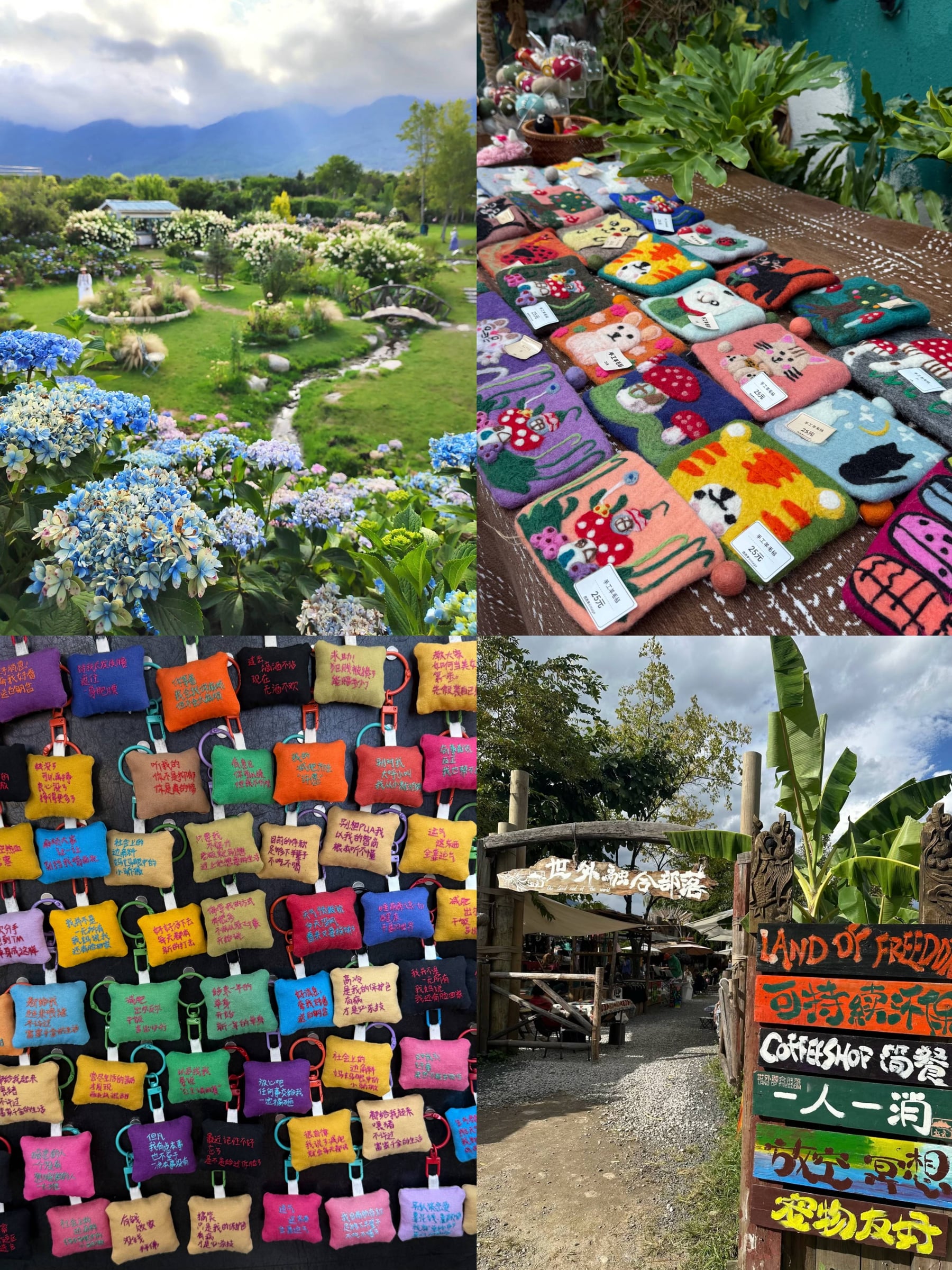
Shi Wai Rong He tribe market (世外融合部落): Fridays and Saturdays, 12:00–18:00 in Xizhou's fields, with a bohemian atmosphere and handmade objects.
Cat Garden (猫咪花园): our guide lists daily opening, 10:00–19:00. Flowers, cats and countryside make it a place for photographs and a relaxed visit. Late April to August is especially colourful, with roses, ranunculus and hydrangeas. Buy the garden's approved treats if you want to interact with its free-roaming cats.
03 Choosing your area
Erhai divides the Dali area into Haixi in the west, Haidong in the east, Xiaguan in the south and Shangguan in the north. They are far apart: our guide describes a lake circuit of more than 170 kilometres. Your accommodation location matters.
Haixi: a useful first base for culture and varied daily life, particularly near Dali Old Town. Staying just outside the old town makes transport easier. Choose between countryside, lakefront and mountain views; we often favour countryside and mountain settings for value and access.
Xiaguan: the urban centre and location of the railway station, also on the route between the airport and the old town. Visitors sometimes overlook it because it feels more like a city, but good-value hotels and views make it practical for a one- or two-night stop before travelling on.
Haidong: narrow terrain creates a string of villages and lakefront guesthouses. The views are excellent, but there is less variety of everyday activity than on the western side. We generally suggest no more than two nights unless simply looking at the lake is exactly what you want.
Shangguan: wetlands, fields and flowers at the northern end of the lake. It is farther from the airport and railway station, so fewer visitors stay here. For drivers seeking quiet, it can be a good choice.
04 Eating and drinking
These recommendations come from years of team meals and taking friends out, rather than a list of social-media favourites.
A meal with a view
Youshi (酉时餐厅), Haixi near Guanyintang: mid-to-upper pricing, good views and a menu that changes with seasonal ingredients. Try the tender Shanghai-style braised pork, beef tongue with fermented-vegetable dressing, and its rice dishes.
Mushroom hotpot
Qinghong Private Kitchen (清宏私厨), near the old town: run by a former Hilton chef, with a pleasant setting and staff who explain the ingredients. Mushroom season is a good time to visit. Book ahead through Dianping; the guide notes that groups larger than four are not accepted.
Lao Xiong Jia (老熊家), inside the old town: mushrooms, grilled meat and rich mushroom broth, with an enthusiastic host who helps with the grilling.
Bai and local food
Hehuayuan (荷花园), near Guanyintang: known for shengpi, with quick service. Other choices include mashed potatoes, pea-flour jelly and sweet-and-sour ribs.
Ruifengyuan (瑞丰园), near Guanyintang: clear-broth beef and local rolls, generous portions and friendly service in a simple farmhouse courtyard. Guests staying at Kong Yuanzi can walk here.
Zhao Jie Fish Restaurant (赵姐鱼庄), Xiaguan: Shaba-style sour-spicy fish, fried intestines and fried pea-flour pieces. The style takes its name from Shaba village on Xiaguan's outskirts; a local story links the fish's sweetness to its water.
Wase Caixiangyuan (挖色菜香园), listed in the guide near the old town: mashed potatoes, mint-fried ribs, minced beef and aquatic-flower soup, with homestyle cooking and substantial portions.
Western food and bread
Fly Me to the Moon (向月球飞去): branches in the old town and on Cangshan Avenue. Popular, good value, and a reliable all-day brunch choice.
Pushi Bakery (朴石烘焙), beside Dali University: European-style crusty bread with a pleasing sour flavour; the ciabatta is a particular favourite.
Beer and books
April Fairy craft-beer bar (四月小妖精酿啤酒馆), Yeyu Road: a small bar with a changing selection and clear descriptions of strength, bitterness and flavour, useful if you are new to craft beer.
Dolphin Ade Bookshop (海豚阿德书店), Bedsheet Factory: a long-established bookshop with a strong arts selection and interesting creative products. Look for the owner's copies of The Little Prince in different languages and editions.
05 Markets and village communities
Markets, small shops and the gatherings of both long-term and newer residents are good ways to experience Dali's daily life.
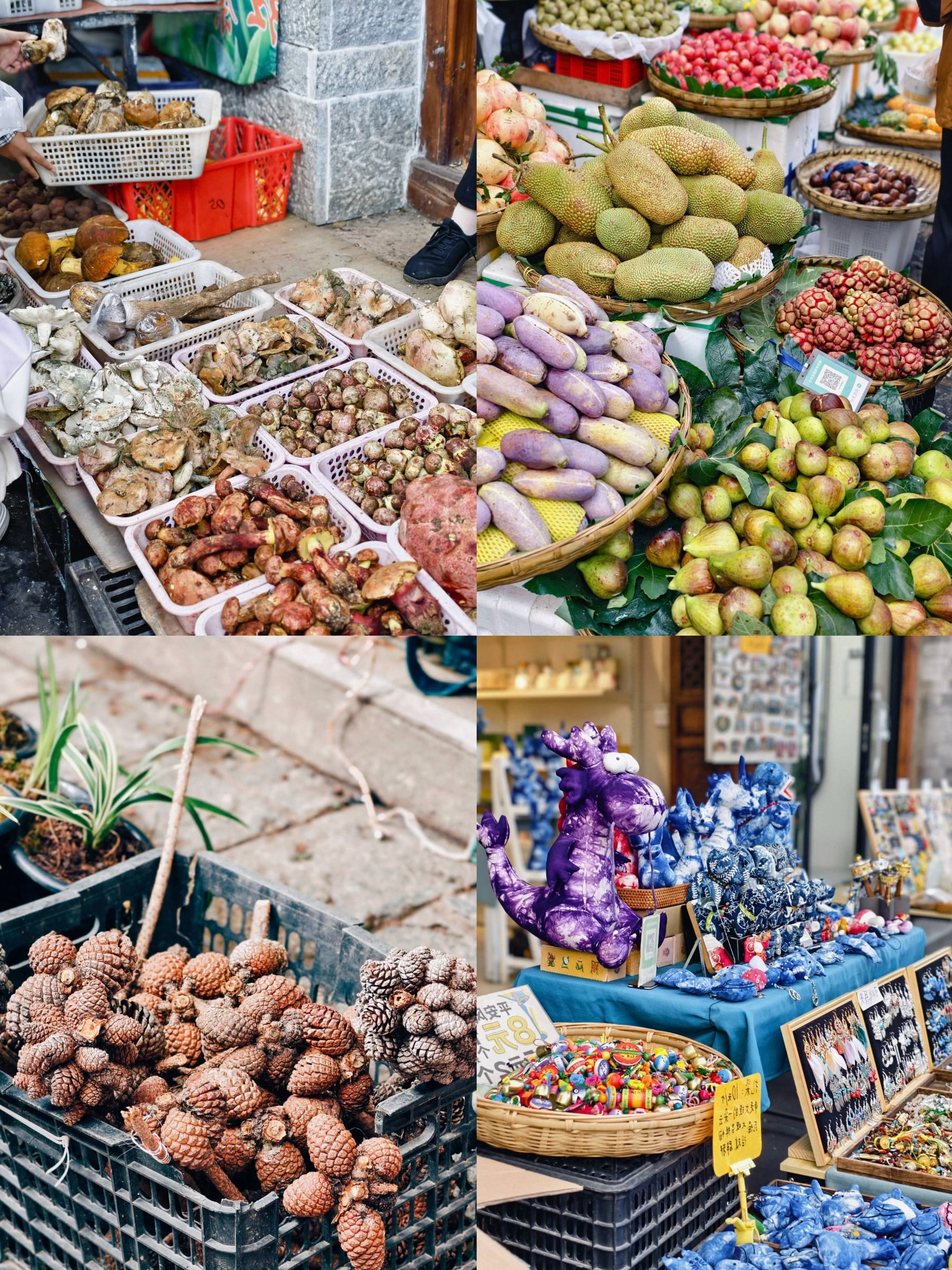
Old Town North Gate market: the outdoor trade starts as early as 03:00, with people using head torches, and winds down around 06:30 as the main market opens. Food stops in our guide include Wu Gong's fried dough and baked flatbread, Yumi Dashu's corn juice and cakes, pork ersi, Jiu Niang's pea-flour jelly, Xizhou Yang Ji's flaky baba, and Doudou's tofu.
South Gate market: try Yang Shi rice rolls and sour-plum drink, Wang Jie grilled fish, Xiao Song Dai food, preserved plums opposite Li Ji barbecue, Xin Peng bread, Dong Xia pepper chicken, Xiao Yang chicken feet, halal flatbread, Zhao sisters' Bai cooked dishes, or A Lan Bai Yan's breakfast ersi, soy milk and fried dough.
Third Month Street: a major week-long annual market begins on the fifteenth day of the third lunar month. Regular market days are the second, ninth, sixteenth and twenty-third days of each lunar month. Fruit, vegetables and daily necessities remain, alongside more commercial stalls.
Guanyintang: a compact Bai neighbourhood near the old town's south gate, with food stalls, shops and everyday life. The temple was once an important place of prayer for travelling merchants. New cafés and vintage shops add another layer.
Yinqiao, Jiangwei and Yousuo markets: quieter local choices, particularly the more distant Jiangwei and Yousuo.
Xiyao night market, Xiaguan: look for Brothers fried rice with ingredients you choose, large tangyuan quoted at two for CNY5, and the Shaanxi roujiamo stall that starts around 20:30.
The second-hand market at the flower-and-bird market: Sunday mornings, with old objects, produce and useful finds. Arrive early if you enjoy searching for something special.
Culture in daily life
Bai Benzhu community-deity worship sits alongside Buddhist and Taoist traditions. Each village has its own temple and stories. The guide describes Lianchihui groups of older women gathering for rituals on lunar dates in early June and September. With the hosts' welcome, conversation, cooking and three-course tea can offer a different visit from a café stop; ask before photographing people.
Dali's newer residents also bring artists, remote workers and people choosing slower lives. In the old town at night, you may encounter fortune-telling and other readings at a range of prices. Friends often visit one another's homes to explore these different ways of living.
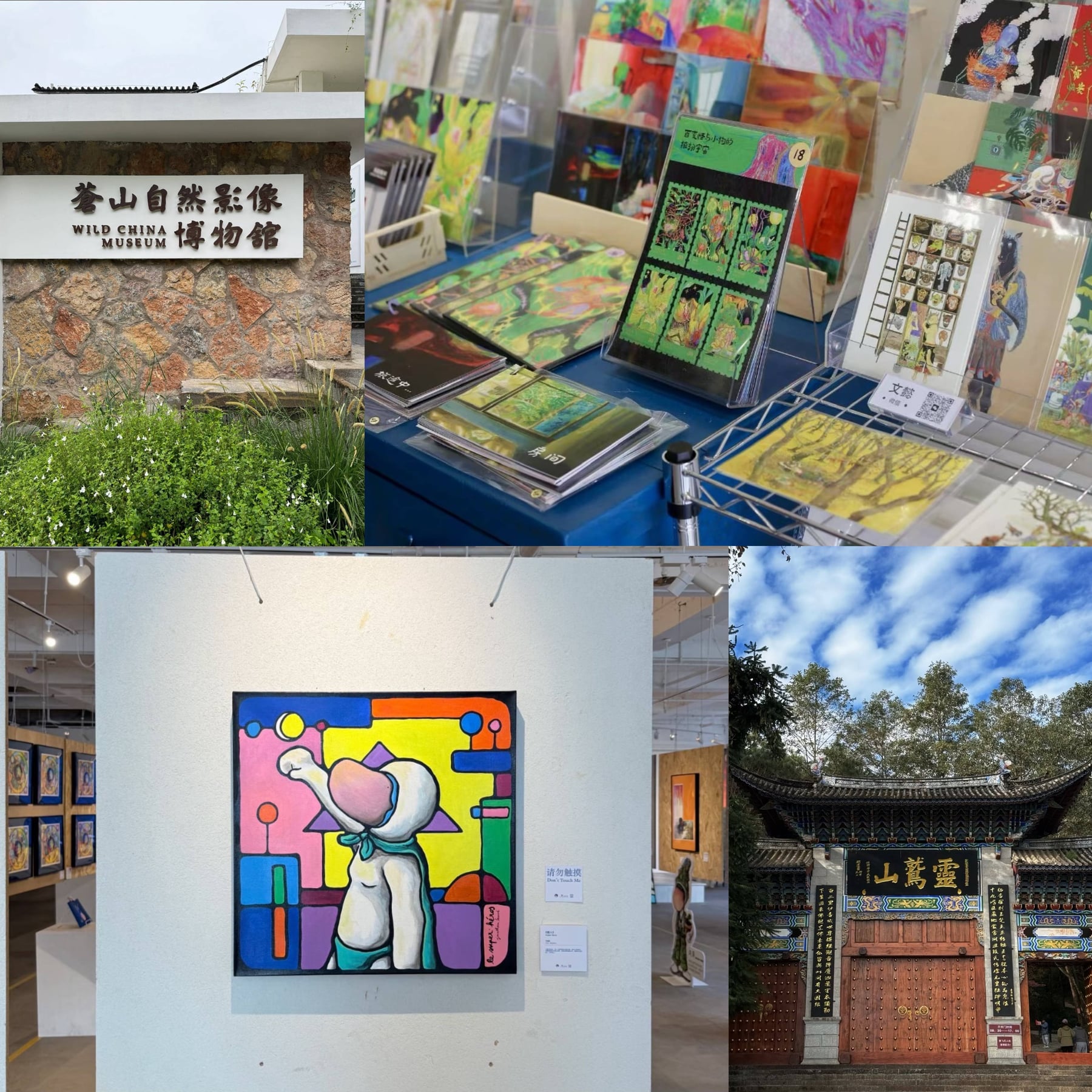
Sanwenbi village: Haoyun Canteen, Xia Youyou art shop, Xi Shu bookshop, Liu Chi Coffee, Xiaolu Book House and Papi's Pies.
Shuangyang village: Wuwei Temple's walk and vegetarian meal, booked a day ahead; the Cangshan Image Museum; Liu Yuan Coffee; French abstract artist Jonathan's home; Shuangyuan village bread; and Shanxia Ziran Coffee / Li Jie Ya Wu's Taiwanese private dining by appointment.
Yinqiao village: old stone houses and small independent shops, worth exploring on foot.
Local recommendations from Zhengfei. Confirm opening times, rates and availability for your travel dates.